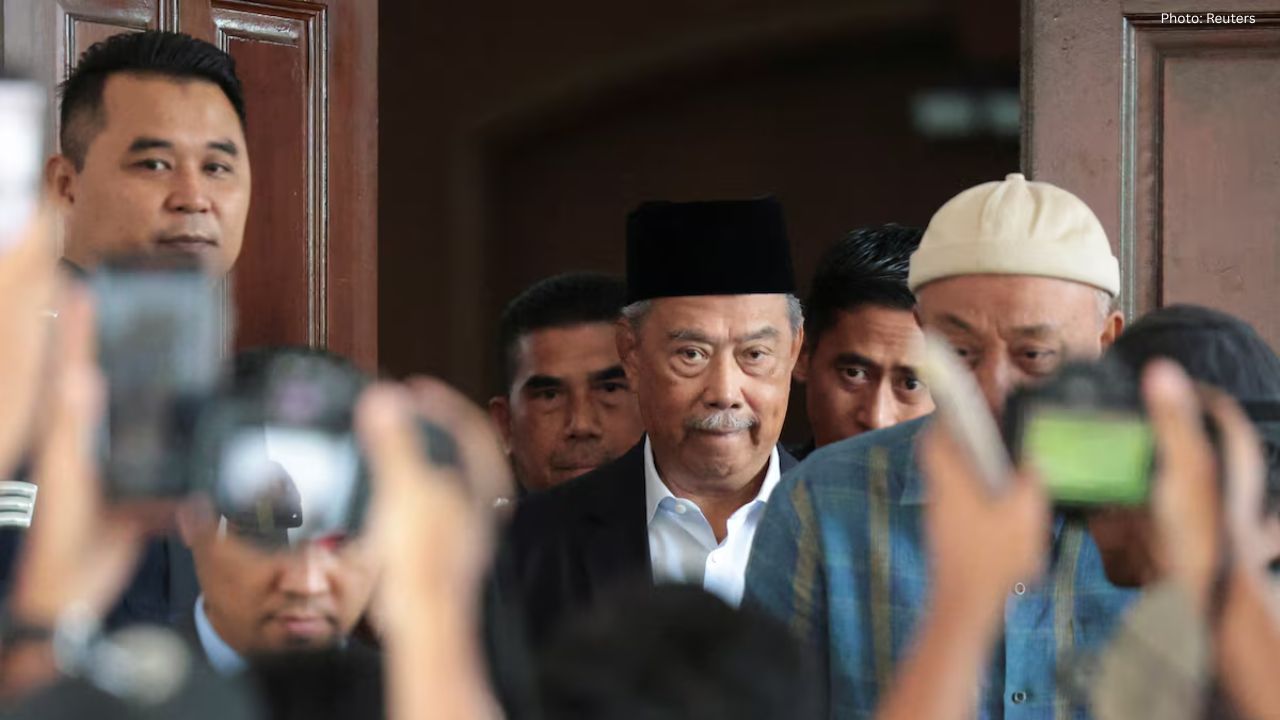
Malaysian Prime Minister Muhyiddin Yassin has announced his resignation as chairman of the opposition coalition, Perikatan Nasional, effective January 1. This decision signals the conclusion of a leadership role he has held since the coalition's inception following the 2020 political upheaval in Malaysia.
Muhyiddin ascended to power during a critical turmoil period when the existing government fell apart, leading to his selection as the country's eighth prime minister. His tenure lasted 17 months before he stepped down amid backlash regarding his management of the COVID-19 response. Even though his time in office was brief, he continued to be a significant presence in opposition politics as the leader of Perikatan Nasional.
In a formal statement, Muhyiddin expressed gratitude towards the leaders and member parties of the coalition for their support over the last five years. He extended his best wishes for the bloc’s future while conveying hope that the leadership would remain cohesive moving forward. This statement coincides with increasingly visible internal conflicts within the coalition.
The Perikatan Nasional coalition primarily consists of Malay Muslim-based parties, including Muhyiddin's Bersatu party and the PAS Islamist party. Recently, PAS leveled allegations against Bersatu regarding efforts to instigate a leadership shift in the northern state of Perlis, governed by the coalition. Such claims underline the escalating tensions between partners within the coalition.
Muhyiddin's exit raises questions about the future leadership of the opposition. He was among the few figures in Perikatan Nasional perceived as having broader public appeal beyond loyal party supporters. Without a designated successor, the coalition might find it challenging to sustain unity and a coherent direction in the immediate future.
Malaysia is characterized by its multiracial and multi-religious demographic, with ethnic Malay Muslims accounting for more than 60% of the populace and sizable Chinese and Indian segments. In the 2022 general elections, Perikatan Nasional saw significant support among Malay Muslim voters, especially from the youth and more conservative demographics, turning PN into a formidable candidate against Prime Minister Anwar Ibrahim's multi-ethnic reform-focused alliance.
Political analysts regard the timing of Muhyiddin's resignation as crucial. The opposition must navigate its internal disputes while simultaneously appealing to its expanding support base. Leadership changes can either destabilize a coalition or offer a fresh opportunity for rejuvenation.
As Muhyiddin steps down, Perikatan Nasional enters a transformative chapter. The manner in which the coalition approaches this transition will significantly determine its influence in Malaysian politics and its ability to challenge the current administration.