Tensions surrounding Greenland have escalated after U.S. President Donald Trump issued threats of tariffs against European nations to sway the future of the Arctic island. As a territory of Denmark, the threats have alarmed European leaders and NATO members alike.
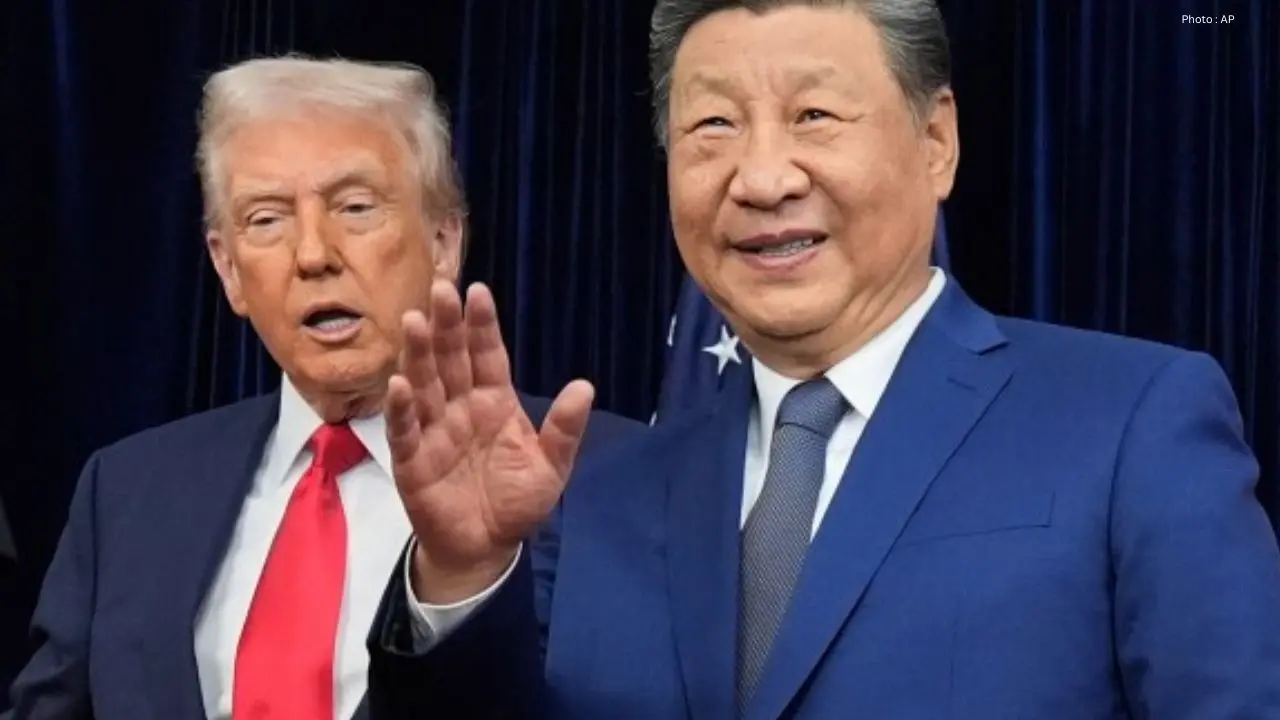
Trump has proposed a 10% tariff on various European goods, targeting Denmark, the UK, Germany, France, Norway, Sweden, the Netherlands, and Finland, unless negotiations tilt in favor of the United States. The president warned that tariffs could increase to 25% by June if no progress is realized. This comes as Trump seeks to bolster U.S. influence over Greenland, rich in strategic resources.
European leaders have been vocally critical of the tariff threats. British Prime Minister Keir Starmer labeled the tariffs as “completely wrong”, cautioning that a trade conflict would disadvantage all involved. The European Council affirmed that Greenland’s destiny should be determined by Denmark and Greenland, not coerced by external forces, and noted the potential damage to international alliances.
In Denmark and Greenland, public sentiment has largely rejected U.S. meddling. Protests in locations such as Copenhagen have called for Greenland's autonomy in its decisions. Citizens and activists have voiced strong opposition to the notion of American influence or control over Greenland.
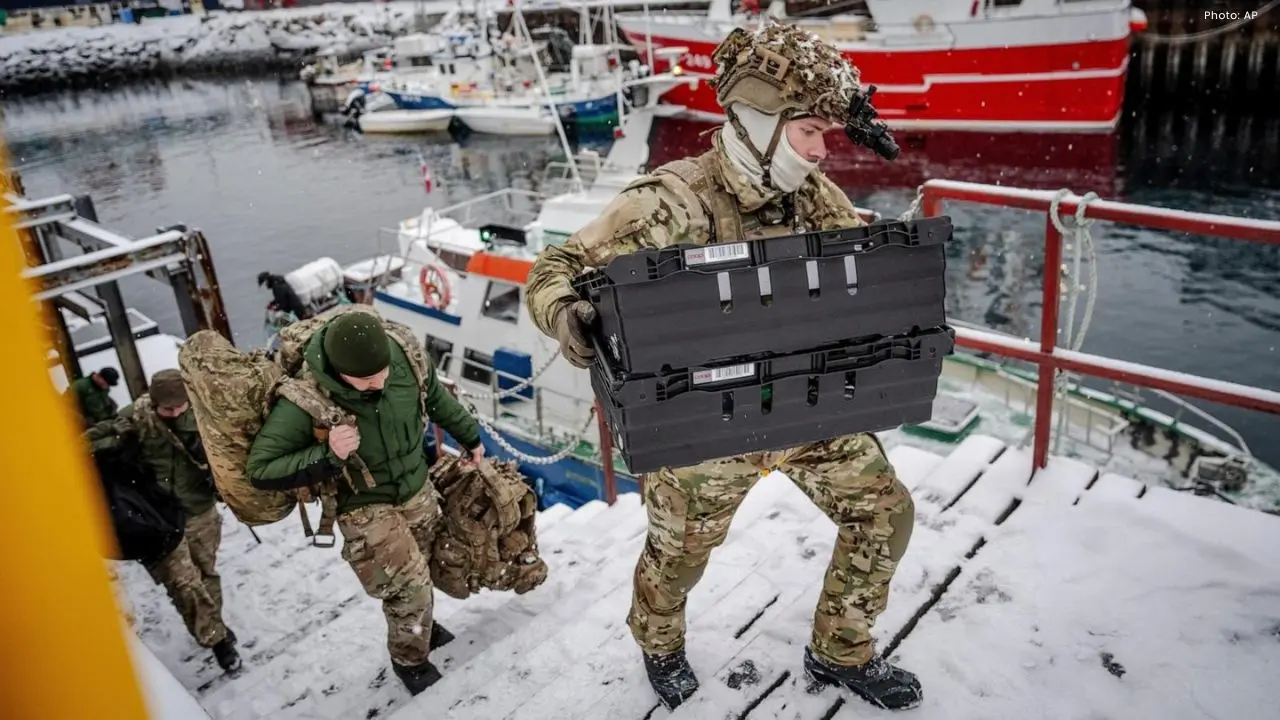
In response, Denmark’s government has attempted to ease tensions by asserting that its military presence in Greenland is meant for security cooperation, not provocation. Officials have highlighted their commitment to dialogue and collaboration through ongoing Arctic working groups.
Greenland's geographic position and resources render it a vital interest on a global scale. Nevertheless, both leaders and citizens emphasize that its future should be shaped through negotiated agreements and respect for international regulations rather than through intimidation or economic coercion.
The ongoing dispute unfolds amidst rapidly changing global political dynamics where strategic interests, national pride, and international relationships intertwine. Continued dialogues among European and Danish leaders are anticipated, aiming to safeguard sovereignty, uphold stability, and prevent escalation in the Arctic region.