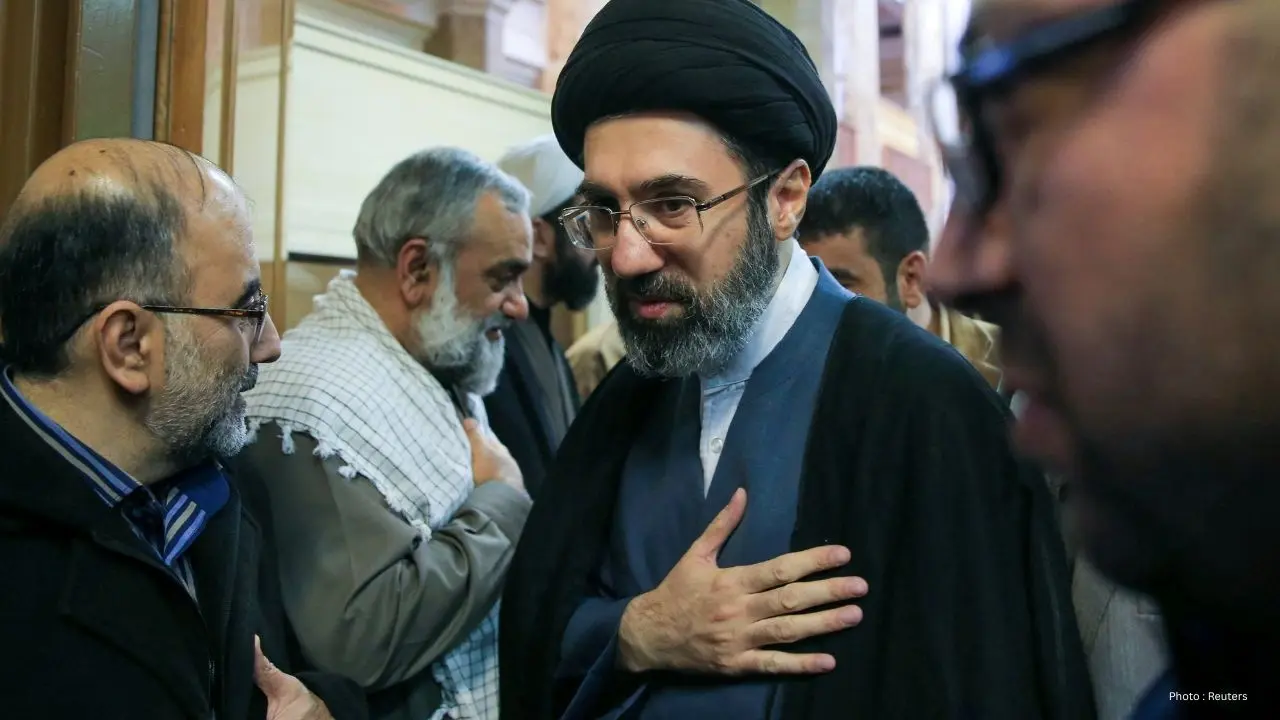
Iran’s Supreme Leader Mojtaba Khamenei is reportedly operating from a secret location due to growing security threats, and this situation is slowing down ongoing negotiations between Iran and the United States. According to multiple international reports, Iranian officials are facing communication difficulties because messages to Khamenei are being delivered through trusted couriers instead of normal official channels.
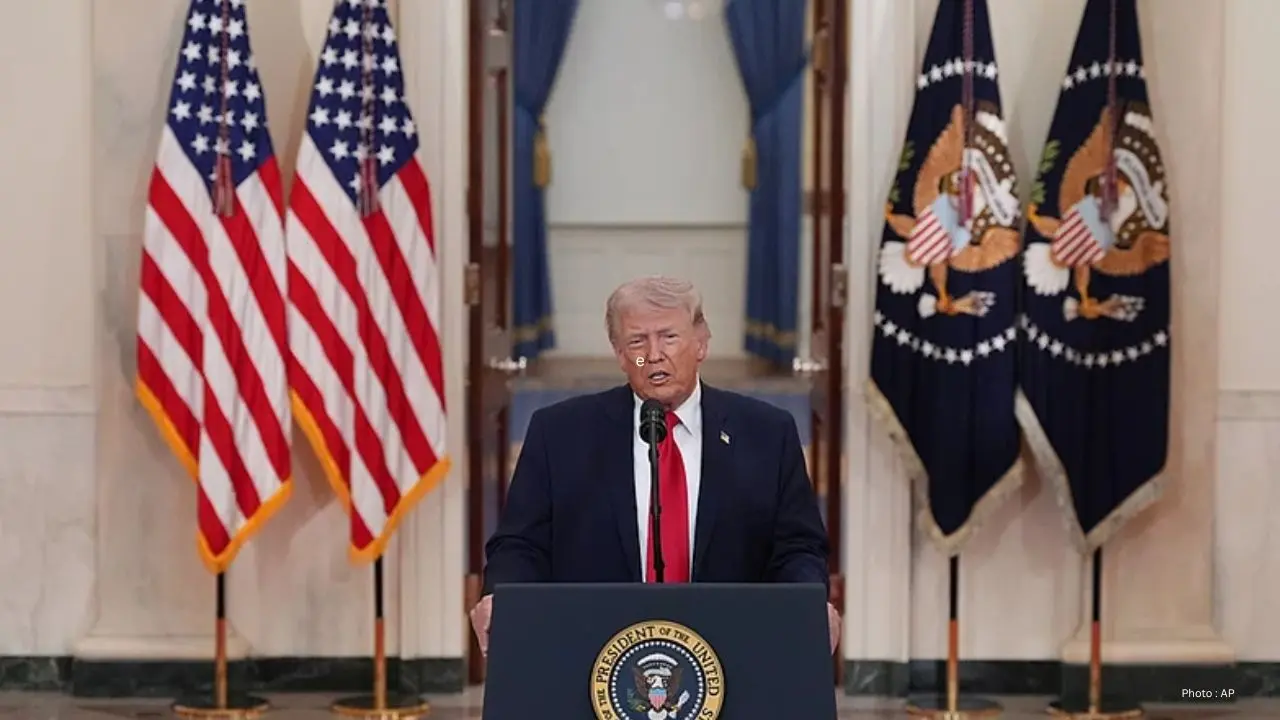
The reports claim that Khamenei has reduced direct contact with senior officials after fears of possible assassination attempts and rising regional tensions. Because of these security measures, even top Iranian negotiators reportedly need extra time to receive approvals and responses from the country’s leadership. Sources close to the discussions said this complicated system has slowed progress in sensitive talks with the administration of U.S. President Donald Trump.
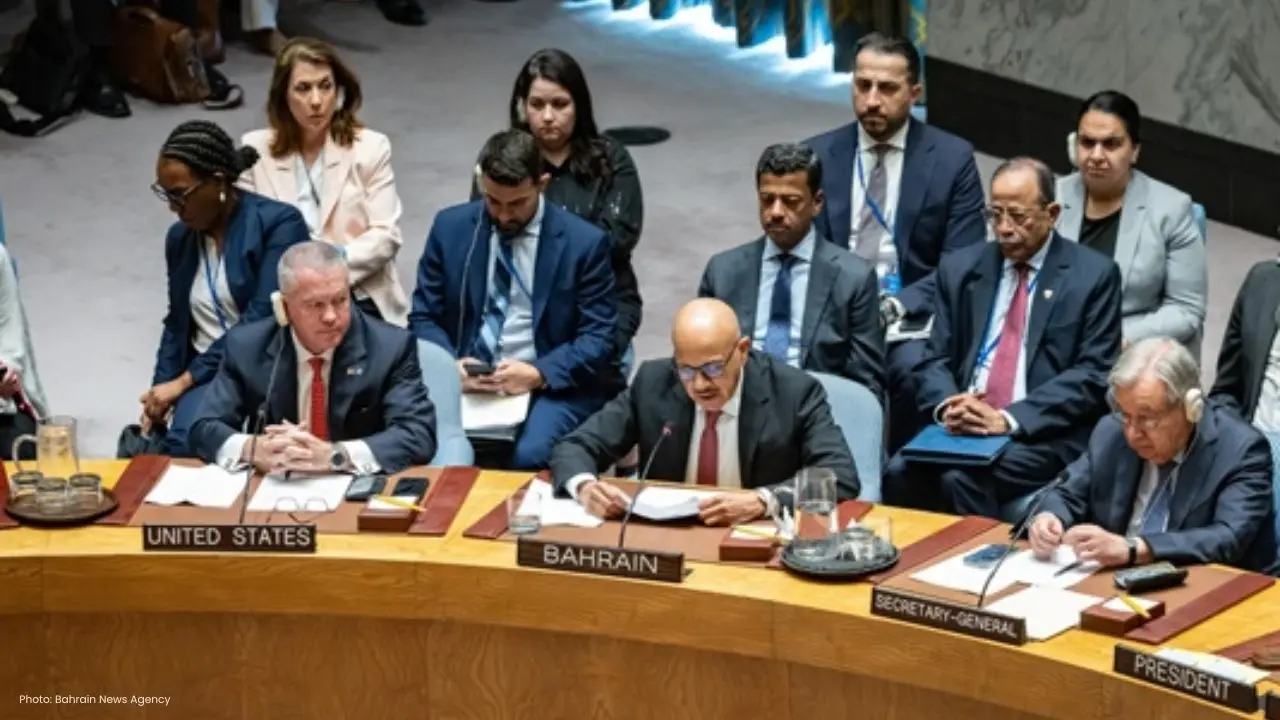
The United States and Iran have been involved in indirect negotiations for several months over regional security, sanctions relief, and Iran’s nuclear activities. The talks also include discussions linked to tensions in the Strait of Hormuz and military activity across the Middle East. However, officials involved in the negotiations reportedly say that decision-making inside Iran has become much slower because final approvals depend on Khamenei’s secure communication network.
According to intelligence reports cited by international media outlets, Khamenei is staying in an undisclosed underground or highly protected location. Reports suggest that only a small group of trusted aides and security officials know his exact whereabouts. Some sources also claimed that electronic communications are being avoided to reduce the risk of surveillance or attacks.
The secrecy surrounding Iran’s leadership comes during a period of major political and military uncertainty in the region. Iran has faced increasing pressure from the United States and Israel following months of conflict and rising security concerns. Diplomatic efforts are continuing, but analysts believe the communication delays inside Iran are making negotiations more difficult and slower than expected.
Despite reports of progress in some areas, Iranian officials have publicly denied that a final agreement with the United States is close. Iranian spokespersons said discussions are still ongoing and important disagreements remain unresolved. Issues related to sanctions, uranium enrichment, regional conflicts, and security guarantees are still major obstacles in the negotiations.
Political experts say the current situation highlights how security concerns can directly affect international diplomacy. The unusual secrecy around Khamenei’s movements has created uncertainty inside Iran’s political system and raised questions about how quickly decisions can be made during critical negotiations. Many observers believe that unless communication channels improve, talks between Washington and Tehran could continue facing delays in the coming weeks.