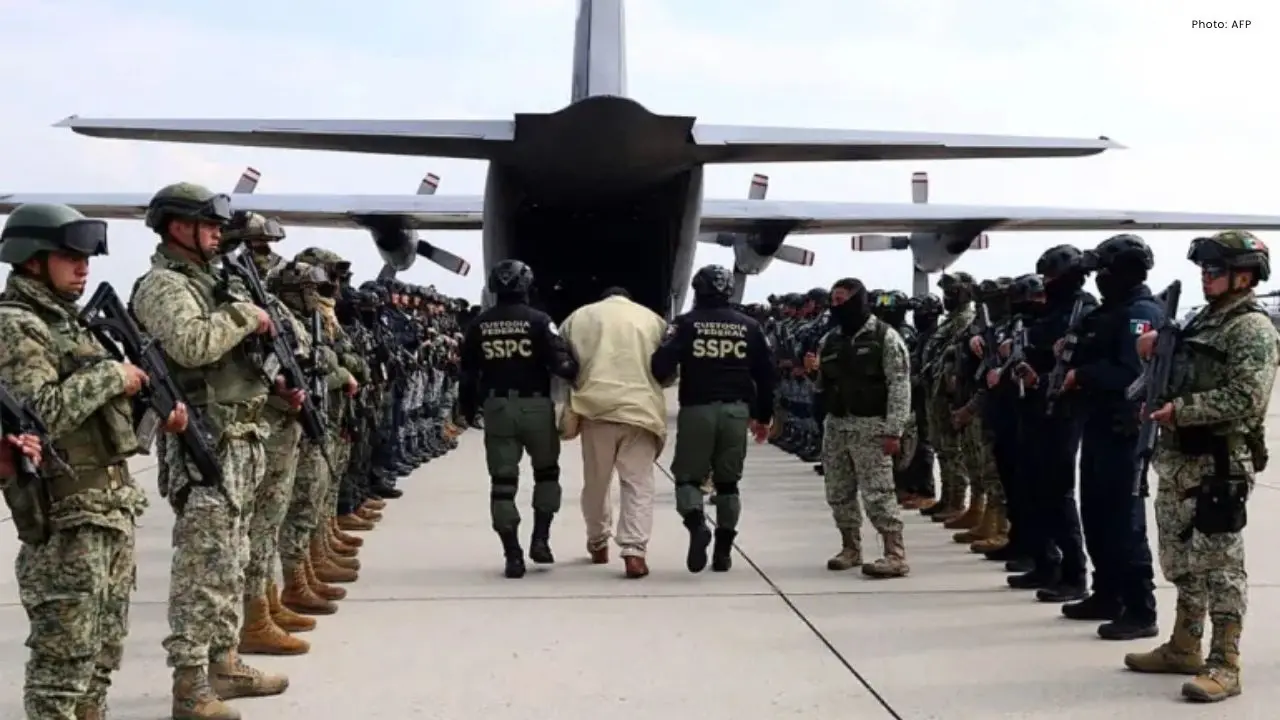
In a significant move against organized crime, Mexico has dispatched 37 alleged drug cartel members to the United States, reinforcing its partnership with U.S. authorities in combating drug trafficking. This transfer occurs during a pivotal moment, with growing concerns regarding security and drug-related issues between the two nations.
Mexican officials have classified these suspects as high-risk criminals, deeply tied to major drug trafficking organizations. They were transported under tight security measures to multiple U.S. cities to face legal proceedings. With this recent action, Mexico has sent a total of 92 alleged cartel members to the U.S. in recent months.
The decision to transfer these individuals was made with public safety in mind and aims to curb the influence of criminal organizations within Mexico. Officials confirmed that these transfers align with legal cooperation frameworks established by both countries. Notably, Mexico has received assurances that the suspects will not encounter the death penalty in the United States.
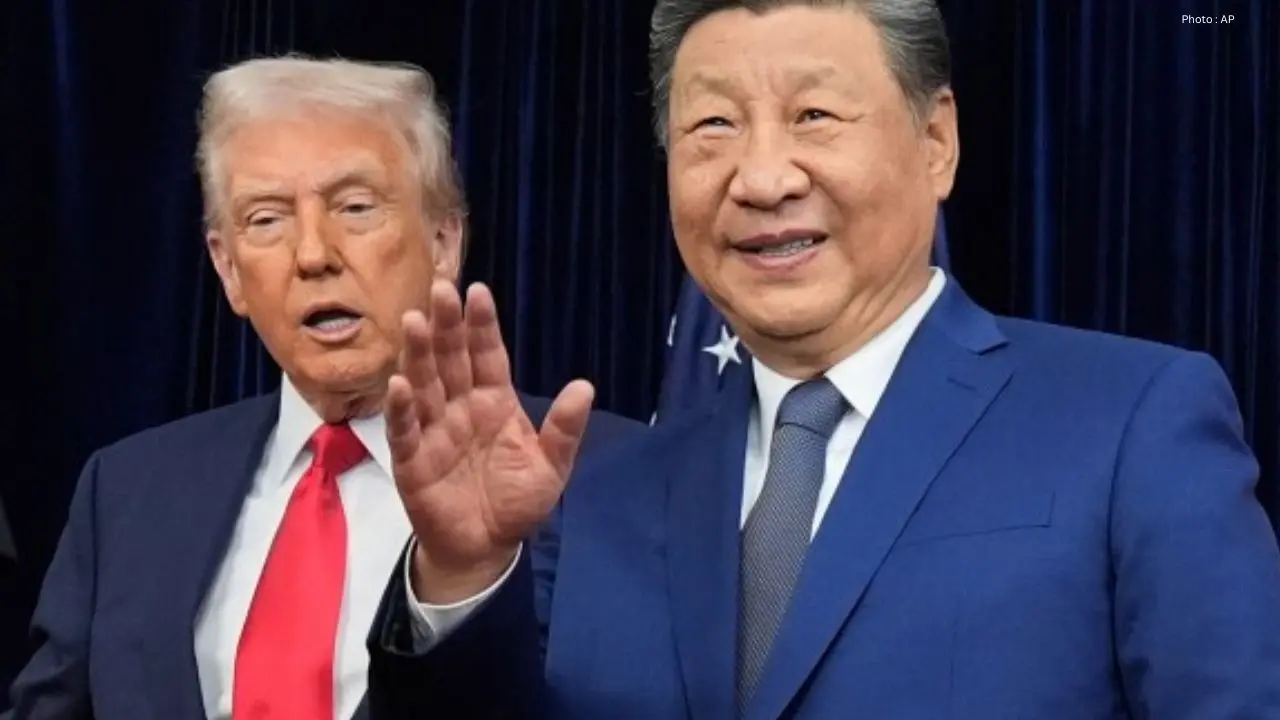
This action follows urgent remarks from U.S. President Donald Trump, who has identified drug cartels as a significant threat to national security. He has hinted at possible direct interventions against these groups. In response, Mexico has firmly opposed any foreign military involvement on its territory, asserting the importance of maintaining national sovereignty.
By opting to send suspects to the U.S., Mexico signals a commitment to legal cooperation rather than confrontation. Authorities believe that holding cartel leaders accountable in U.S. courts could disrupt criminal operations and limit their power, which often extends into Mexican prisons.
Nevertheless, this decision has ignited discussions within Mexico, with legal experts and politicians questioning the adherence to Mexican laws and due process in such transfers. They emphasize that sustainable solutions to crime should also incorporate social advancements, stronger institutions, and judicial reforms.
Proponents of the exchange argue that drug trafficking is inherently transnational, necessitating a shared approach to tackle the problem. They assert that collaboration with the U.S. could diminish violence, reduce drug trafficking, and enhance safety for citizens in both nations.
Mexico’s government reiterates that its primary aim is to combat organized crime while safeguarding its sovereignty. Officials assert that these measures are part of an extensive security approach and not exclusively a reaction to external pressures.
As drug trafficking continues to devastate millions across North America, the latest transfers reflect the interconnectedness of security between Mexico and the United States. While the long-term efficacy of this strategy remains uncertain, it does indicate a strong determination to confront formidable criminal organizations.