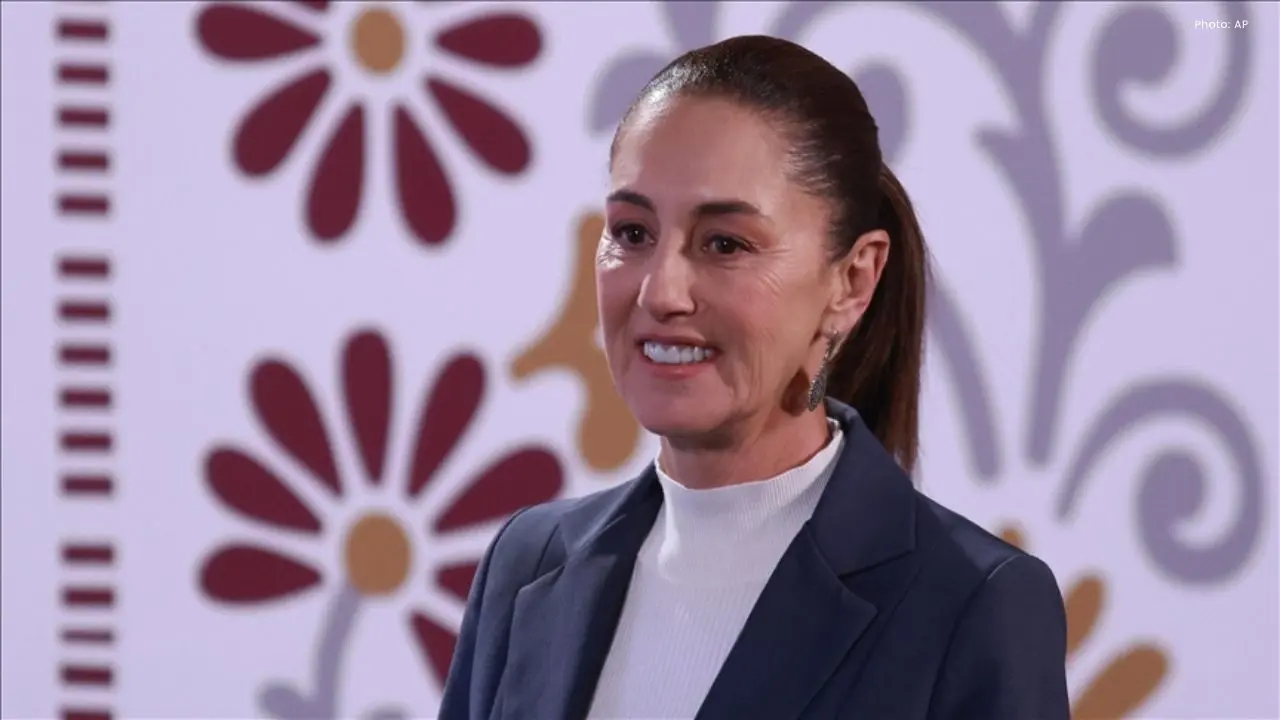
The Mexican government is firmly standing by its recent choice to extradite cartel members to the United States, clarifying that the action was made independently and in alignment with national interests. President Claudia Sheinbaum referred to the transfer of 37 cartel suspects as a “sovereign decision”, asserting it was not prompted by the U.S.
This extradition followed a request from the U.S. Justice Department; however, Sheinbaum highlighted that the final call was taken by Mexico’s National Security Council. Careful assessments were made to ensure the action aligned with Mexico's best interests, prioritizing the country's security over any external demands.
Relations between Mexico and the U.S. have been tense, especially with the U.S. President pledging a hardline approach against drug trafficking, even hinting at military intervention. This has ignited fears in Mexico about potential foreign overreach and erosion of sovereignty.
Critics within Mexico suggested that the decision indicated capitulation to U.S. pressures. In response, Sheinbaum defended Mexico's stance, calling the nation’s actions both independent and responsible, aimed at minimizing internal risks. She reiterated that cooperation with the U.S. does not equate to forfeiting sovereignty.
According to Mexican Security Minister Omar García Harfuch, the individuals transferred are considered “high impact criminals”, posing significant threats within Mexico. Most of them are reputed members of powerful drug factions, such as the Jalisco New Generation Cartel and the Sinaloa Cartel, which the U.S. has classified as terrorist organizations due to their violent and expansive international drug operations.
This is not the first instance of cartel leaders being sent to the U.S.; in the past year alone, Mexico has extradited 92 suspects. Concerns had arisen that many cartel leaders were still orchestrating criminal activities from behind bars in Mexico, prompting officials to consider extradition as a safer alternative.
Officials in the U.S. praised Mexico's decision, with Attorney General Pam Bondi labeling it a significant victory in efforts to dismantle drug trafficking networks. The Justice Department emphasized that such cooperation is mutually beneficial and aids in ensuring justice is served. One of the suspects transferred recently faces charges in the U.S. for drug trafficking and weapon-related offenses.
Observers note that Mexico may leverage these extraditions to ease tensions with the Trump administration while sidestepping confrontations. The recent military actions taken by the U.S. in Latin America, particularly in Venezuela, have made regional powers more wary of potential interventions.
Simultaneously, Sheinbaum is keen to project strength domestically. By labeling the decision as sovereign, she reassures Mexican citizens that their nation retains control over its decisions. This cautious approach underscores the challenge of navigating a cooperative relationship with a powerful neighbor while safeguarding national pride.
The ongoing situation illustrates the intricate dynamics between Mexico and the United States. The intertwined issues of crime, drug trafficking, and security create both connection and contention between the two nations, as Mexico's latest action showcases the difficult decisions governments occasionally face in pursuit of national safety.