Photo: X / nolanmquinn
McMaster University Expands Nuclear Reactor for Cancer Treatment Isotopes
McMaster University in Hamilton is expanding its nuclear research reactor, which is the largest in Canada. The expansion will allow the reactor to produce more medical isotopes, essential in treating cancer patients worldwide.
New Jobs and Longer Operating Hours
The university plans to hire up to 16 new staff members to support the reactor’s increased operations. The facility will transition from running five days a week to operating seven days a week, 24 hours a day, within the next 18 to 24 months.
Karin Stephenson, McMaster’s director of nuclear research and education support, said the expansion will make it possible to meet growing demand for medical isotopes.
Streamlined Training for Reactor Operators
John Preston, acting associate vice-president of nuclear research, explained that the process of licensing new reactor operators has been sped up. It now takes around 14 months for operators to become fully licensed, compared to just over two years previously.
Responding to Growing Demand for Medical Isotopes
Canada saw nearly 250,000 new cancer diagnoses in 2024, increasing the demand for medical isotopes. The provincial government aims to double isotope production by 2030.
Currently, McMaster’s reactor produces enough isotopes for over 70,000 cancer treatments annually. After the expansion, production will increase by 300%, providing isotopes for approximately 84,000 treatments each year.
Benefits for Research and Students
The reactor expansion is not only about treatment but also research. Students, doctoral graduates, and faculty members will have more opportunities to study isotopes. This research could help discover new medicines and treatments for serious illnesses.
McMaster has also offered part-time contracts to summer students who previously worked at the reactor, providing hands-on experience and career opportunities.
Government Support and Investment
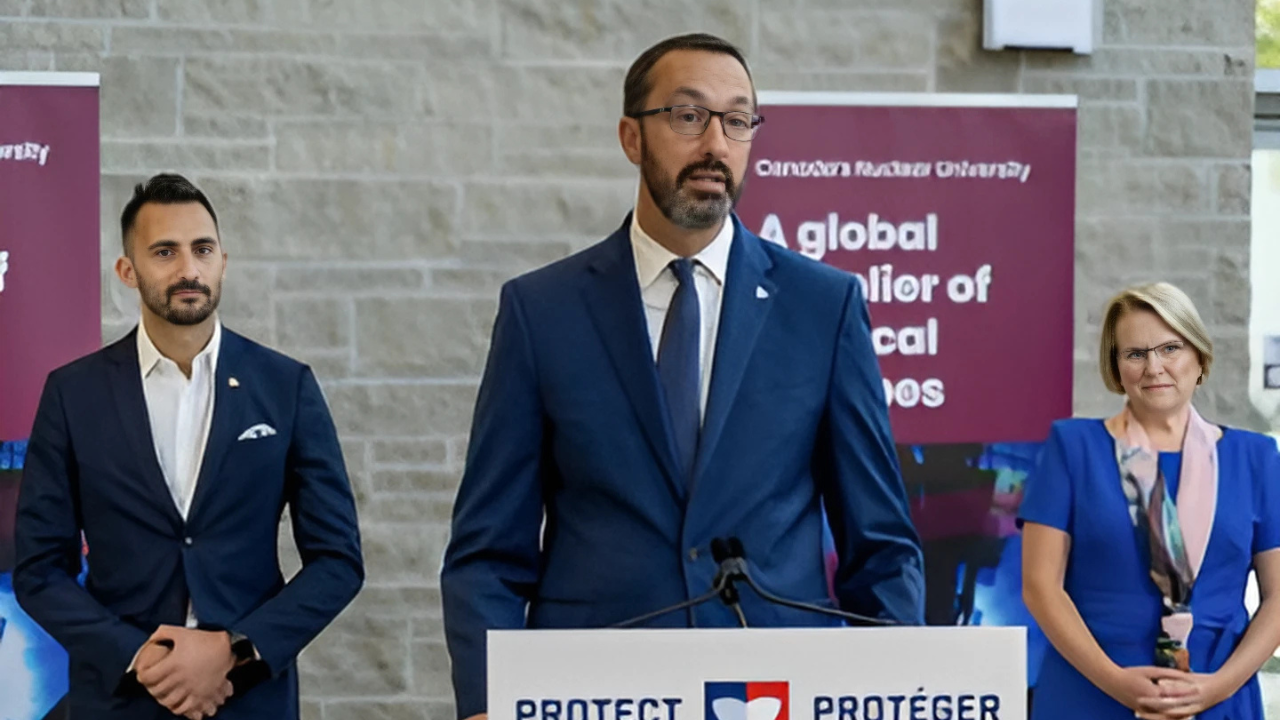
The $18 million in provincial funding over the past two and a half years is supporting the expansion project. Colleges and Universities Minister Nolan Quinn said, “This investment will expand the reactor's research capacity and produce isotopes for thousands of cancer treatments every year.”
Strengthening Hamilton’s Role in Healthcare
With this expansion, McMaster University strengthens its position as a world leader in medical isotope production, supporting both cancer treatment and research. The new hires will also provide valuable jobs in Hamilton, contributing to the local economy.