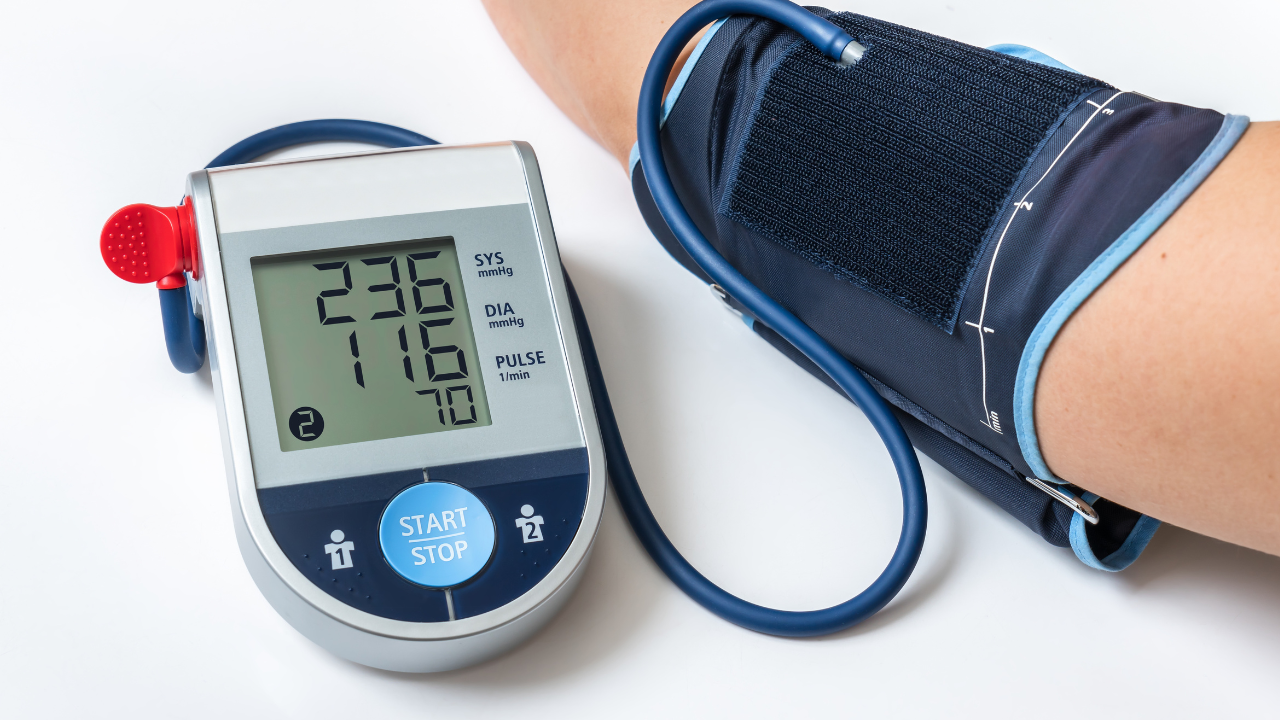
Mastering Home Blood Pressure Monitoring: Expert Insights on Top Devices and Techniques
Disclaimer: This article provides general information and should not replace professional medical advice. Always consult your healthcare provider before modifying any health tracking or medication plans.
The Importance of Home Blood Pressure Monitoring
High blood pressure, commonly referred to as hypertension, is often deemed the “silent killer”, as it frequently presents no obvious symptoms but can result in severe health implications like heart disease, stroke, or kidney issues if not managed. Consistent monitoring is crucial—checking your blood pressure at home is one of the most effective strategies for managing your heart health.
Modern home blood pressure monitors are not only cost-effective and user-friendly but also provide accurate readings when utilized correctly. They enable individuals to manage their health actively, reducing the need for frequent clinic visits, and allowing health professionals to make more informed treatment decisions.
Decoding Blood Pressure Readings
Understanding what those numbers represent is key before selecting a monitor.
A blood pressure reading consists of two figures:
As per the American Heart Association (AHA):
-
Normal: Below 120/80 mmHg
-
Elevated: 120–129 / below 80 mmHg
-
High Blood Pressure (Stage 1): 130–139 / 80–89 mmHg
-
High Blood Pressure (Stage 2): 140/90 mmHg or higher
Seek medical advice if your readings consistently fall outside the normal range.
Advantages of Home Blood Pressure Monitoring
Regular self-monitoring brings various health benefits:
-
Early Detection: Spot rising blood pressure before any serious complications develop.
-
Precise Tracking: Offers a clearer view of daily variations compared to sporadic clinic visits.
-
Treatment Assessment: Aids your doctor in evaluating the effectiveness of medications or lifestyle changes.
-
Reduced “White Coat” Syndrome: Home monitoring yields results that aren’t influenced by anxiety in clinical settings.
-
Empowerment: Inspires healthier habits and personal accountability for long-term heart wellness.
Selecting the Right Blood Pressure Monitor
Choosing the right blood pressure monitor is crucial. Factors to consider include accuracy, comfort, user-friendliness, and connectivity. Here’s how to select wisely:
1. Consider Cuff Type
-
Upper Arm Monitors: Generally most accurate and favored by healthcare professionals.
-
Wrist Monitors: Convenient but require correct arm positioning—suitable for those uncomfortable with upper arm cuffs.
-
Finger Monitors: Often less reliable and not recommended for medical use.
2. Ensure Medical Validation
Opt for monitors that are clinically validated for accuracy by recognized organizations such as the AHA, BHS, or ESH. Look for certifications on packaging or the manufacturer's website.
3. Explore Digital Features and Connectivity
Modern devices often come equipped with smart capabilities:
-
Bluetooth Sync: Automatically shares readings with your smartphone or health app.
-
Multiple User Profiles: Ideal for families sharing one device.
-
Memory Storage: Retains past readings for quick reference.
-
Voice Prompts or Large Displays: Helpful for older adults or users with vision difficulties.
4. Fit and Comfort of Cuff
Select a cuff that properly fits your arm. An ill-fitting cuff can lead to false readings. Measure your arm circumference and choose accordingly.
Best Practices for Getting Accurate Readings
Even the best device can yield unreliable data if not used correctly. Follow these guidelines for optimal home readings:
-
Rest Quietly for 5 Minutes: Avoid caffeine, smoking, or exercise for at least 30 minutes before measuring.
-
Consistent Timing: Morning (before medication) and evening (before dinner) readings are preferable.
-
Correct Positioning:
-
Avoid Talking or Moving: Remain still and quiet during the reading process.
-
Take Multiple Readings: Wait a minute between readings and record the average.
-
Document Your Results: Track your readings with a log or connected app and share with your doctor.
Common Pitfalls to Avoid
Many missteps lead to inaccurate readings. Here’s what to steer clear of:
-
Measuring immediately after exercise or climbing stairs.
-
Wrapping the cuff over clothing.
-
Positioning your legs crossed or slouching during the measurement.
-
Using a cuff that’s damaged or improperly sized.
-
Comparing different monitors without calibration checks.
Following correct techniques guarantees that your readings are valid for medical evaluation.
Top Recommended Blood Pressure Monitors for Home Use
While preferences may vary by region, the following models are consistently recognized for accuracy and user-friendliness:
-
Omron Platinum or Evolv Series: Clinically verified, trustworthy, and Bluetooth-enabled.
-
Withings BPM Connect: Sleek design with smartphone capabilities for tracking trends.
-
A&D Medical Upper Arm Monitor: User-friendly interface with high accuracy.
-
Beurer BM Series: Offers memory functions and family-friendly features.
Always confirm that the device you select is recognized by your local health authority or backed by proper validation.
When to Consult a Healthcare Professional
Home monitoring serves as a tool for awareness, not a substitute for professional assessment. Reach out to your physician if:
-
Your readings consistently exceed 130/80 mmHg.
-
You experience symptoms such as dizziness, shortness of breath, or chest discomfort.
-
Your blood pressure suddenly drops below 90/60 mmHg with no apparent cause.
Your physician is best placed to determine whether your readings reflect actual hypertension or temporary spikes due to stress, diet, or hydration levels.
Building a Heart-Healthy Lifestyle
Monitoring your blood pressure is just one aspect of maintaining cardiovascular wellness. Pair regular readings with these smart daily behaviors:
-
Follow a Balanced Diet: Emphasize fruits, vegetables, whole grains, and low-sodium options.
-
Engage in Regular Exercise: Aim for 30 minutes of moderate activity five times a week.
-
Limit Alcohol and Caffeine Intake: Both can elevate blood pressure.
-
Manage Stress Levels: Explore techniques like deep breathing, yoga, or meditation.
-
Prioritize Quality Sleep: Target 7–8 hours nightly.
Combining these practices with regular monitoring can significantly lower the risk of issues related to hypertension.
Final Thoughts
Home blood pressure checks are an excellent way to maintain control over your heart health. With the suitable monitor and proper techniques, you can identify early warning signs, track your health, and provide your healthcare provider with critical information for ongoing management.
Your health journey begins with awareness—one accurate reading at a time.