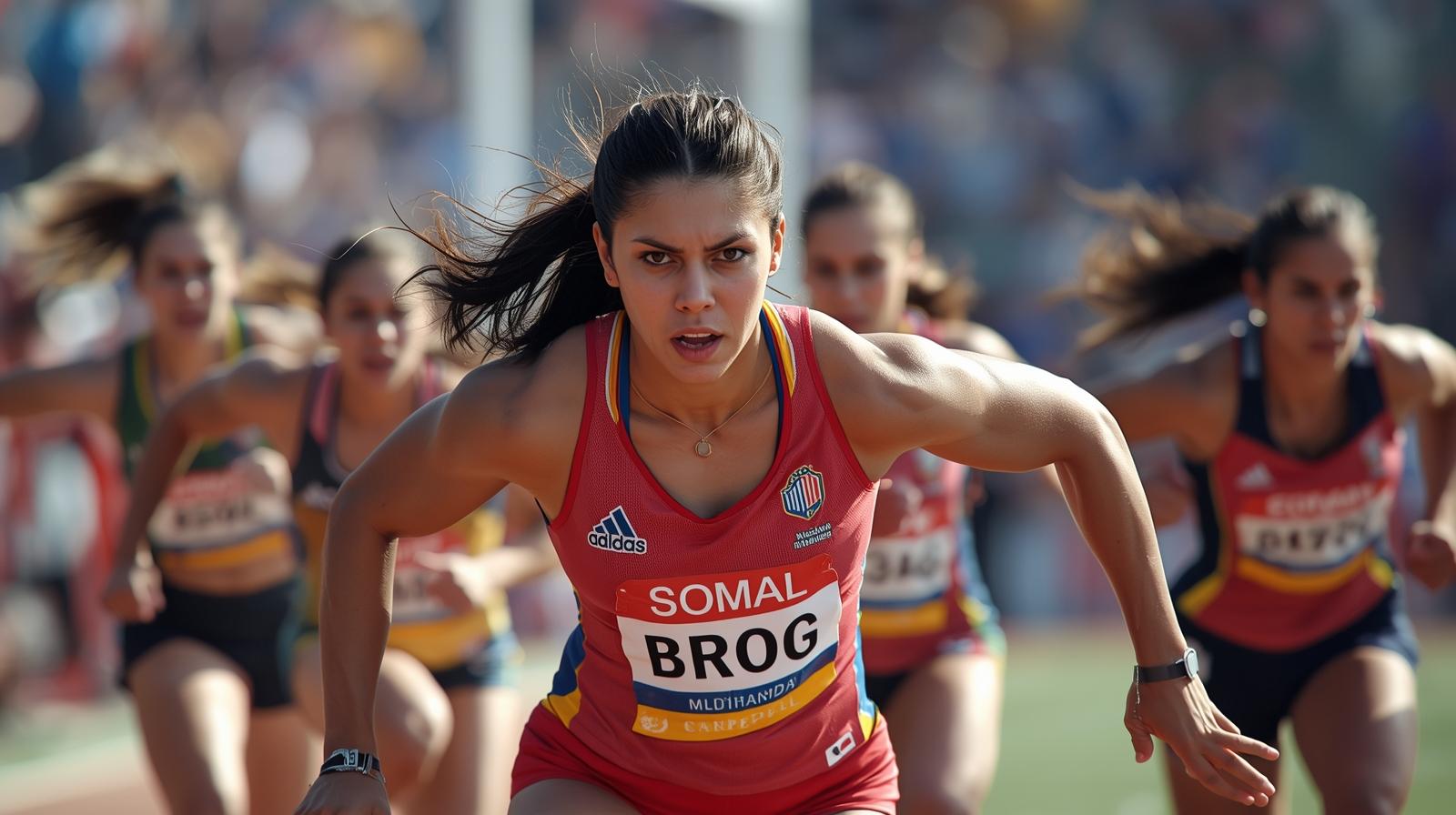
Mastering Focus: Techniques for Athletes Under Pressure
In sports, the fine line between victory and defeat often hinges on one vital element — focus. While attributes like strength, speed, and skill are crucial, the true strength of elite athletes lies in their mental acuity during high-pressure scenarios. Whether it's a decisive penalty, a critical match point in tennis, or the crucial last seconds of a basketball game, the power to manage one's mind is as critical as physical prowess.
With advancements in sports science, neuroscience, and psychology, we've begun to uncover the methods athletes rely on to sustain their concentration, even amidst intense stress. Here, we highlight the most effective strategies for enhancing focus utilized by top-tier athletes and how these insights can be integrated into everyday life.
1. Mental Training: The Core of Elite Focus
Exceptional athletes don’t solely depend on natural talent — their minds are trained with as much rigor as their bodies. Mental conditioning comprises:
• Visualization
Athletes visualize flawlessly executing their movements — whether it's scoring, lifting, or jumping.
This practice fortifies the brain's neural pathways, making the required actions feel second nature even before execution.
• Positive Self-talk
Affirmations include:
This technique helps to mitigate negative thoughts during stressful times.
• Goal-focused Thinking
Setting short-term goals (like perfecting a serve) eases the burden of facing the larger challenges.
Why It Works:
Mental training fosters a stable internal environment, quelling panic and bolstering confidence.
2. Controlled Breathing: A Reliable Stress-Reduction Technique
High pressure brings the body into a “fight or flight” state — rapid heartbeat, shaky hands, and shallow breaths. To counter this, athletes leverage breath control techniques that help them regain focus swiftly.
Common methods include:
• Box Breathing
Inhale for 4 seconds → Hold for 4 → Exhale for 4 → Hold for another 4.
• Diaphragmatic Breathing
Deep breathing that calms the heart.
• 4-7-8 Breathing Technique
Inhale 4 → Hold for 7 → Exhale for 8.
Benefits:
Breathing techniques stabilize the nervous system, clear mental fog, and enhance decision-making. Many athletes apply this strategy during breaks or before critical moments.
3. Pre-Performance Routines: Creating Consistency Amidst Uncertainty
Each elite athlete adheres to a ritual — and it's not driven by superstition.
Such routines signal to the brain the necessity to focus.
Examples include:
-
Tennis players bouncing the ball prior to serving
-
Basketball players dribbling in a specific manner before free throws
-
Sprinters shaking their limbs to calm down before starting
-
Weightlifters performing identical warm-up rituals prior to every lift
Why Routines Are Effective:
They eliminate randomness and swiftly guide the brain into “performance mode”.
Even amid chaos, these rituals create a serene bubble.
4. Focus Cues: Simple Words That Anchor the Mind
Focus cues are concise phrases athletes repeat during critical moments.
Common cues consist of:
-
“Breathe”
-
“Smooth”
-
“One step at a time”
-
“Stay low”
-
“Commit”
Such cues keep the athlete focused on the moment, preventing distractions.
Scientific Advantage:
Focus cues minimize cognitive load and hinder overthinking, a common trigger for last-minute mistakes.
5. Stress Simulation Training: Practicing in Pressure-Cooker Situations
Athletes purposefully engage in training under stress so that competition-level pressure becomes routine.
Techniques include:
-
Competing amidst high-volume crowd noise
-
Practicing within time constraints
-
Incorporating consequences for errors
-
Performing high-intensity drills after fatigue
This approach helps them to acclimate to competitive anxiety.
Why It Works:
The brain learns that pressure is just a part of the routine — it’s not intimidating.
6. Enhancing Concentration with Mindfulness
Mindfulness has emerged as a vital tool in athletic training.
It comprises exercises designed to improve awareness, emotional regulation, and present-moment focus.
Examples feature:
Advantages:
Mindfulness empowers athletes to remain composed, even when adrenaline surges.
7. Prioritizing Recovery for Optimal Mental Performance
Achieving peak focus requires adequate recovery.
Athletes emphasize:
-
7–9 hours of restorative sleep
-
Balanced nutrition for consistent blood sugar levels
-
Hydration to support cognitive abilities
-
Planned rest periods
Key Insight:
The prefrontal cortex — which governs decision-making and focus — operates most effectively when the body is fully rejuvenated.
8. Nutrition for Optimal Cognitive Performance
Athletes adhere to dietary plans geared toward augmenting brain function:
Brain-enhancing foods include:
Consistent energy levels ensure that mental sharpness is maintained throughout lengthy events.
9. Emotional Control: Keeping Composure When it Counts Most
Athletes learn to detach emotionally from critical moments.
Rather than fixating on:
-
“What if I mess up?”
-
“What occurs if I fail?”
They channel their attention toward controllable actions.
Techniques include:
• Reframing Thoughts
Transforming anxiety into excitement:
“I’m stressed” becomes “I’m prepared.”
• Staying Present
Focusing solely on the next action rather than the larger event.
• Quick Acceptance of Mistakes
Not permitting one misstep to snowball into others.
10. Experience: The Ultimate Teacher
The more challenging situations athletes confront, the better they become at maintaining their focus.
Stress no longer feels overwhelming but rather familiar. The mind ceases to overreact.
This is why seasoned athletes often excel during high-stakes moments — they’ve encountered those challenges previously.
Conclusion
Exceptional focus isn’t an inherent trait — it's a skill honed through rigorous training. By mastering mental conditioning, breathing techniques, routines, mindfulness, nutrition, and emotional regulation, athletes learn to flourish under intense pressure.
These strategies can be beneficial for anyone in everyday scenarios — whether preparing for exams, presenting at work, or navigating stressful decisions. Focus is a practiced skill that becomes more robust with repetition.
Disclaimer
This article is intended for general information purposes only and should not be seen as a substitute for professional medical or athletic training advice.