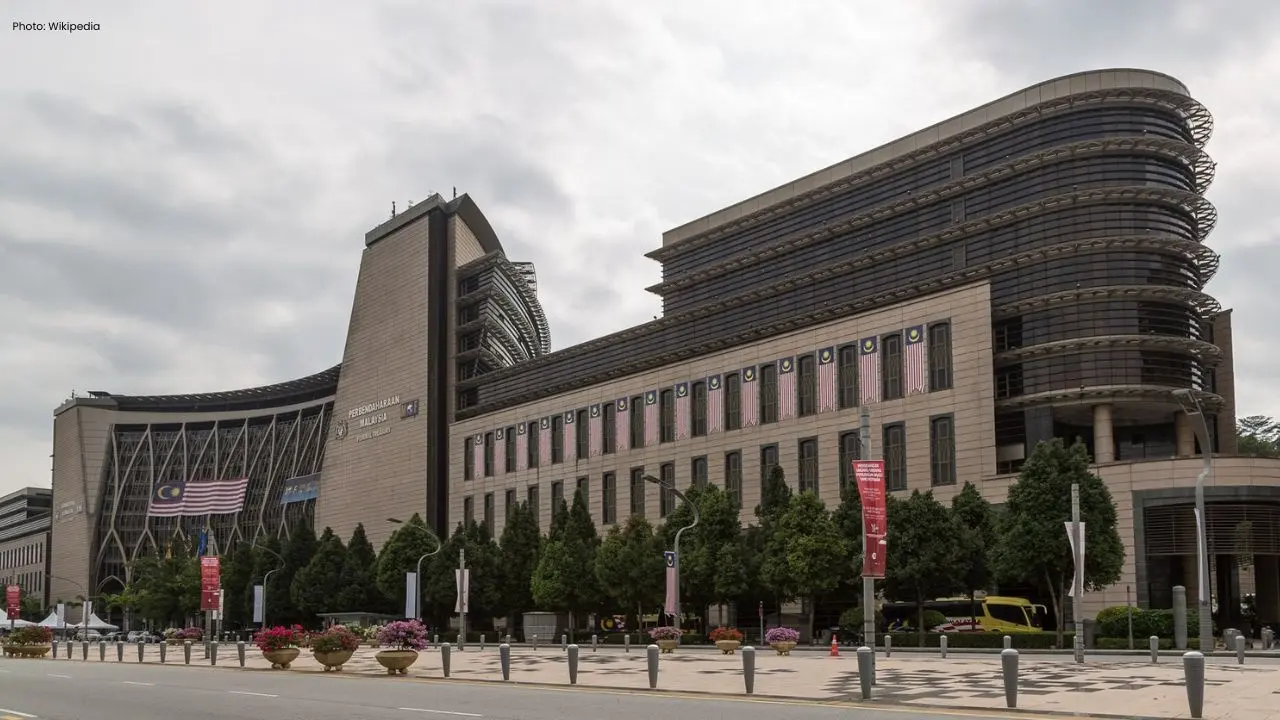
The Malaysian government has reassured its citizens that critical public services will not be affected amid recent national budget adjustments. This commitment came from the Ministry of Finance as concerns over potential impacts grew.
Assurance from the ministry stipulates that spending cuts are designed to protect vital sectors such as healthcare, education, and national security, which will continue to be fully funded per the national budget for 2026.
Officials noted that the cuts specifically target non-essential expenditures. This includes curtailing budget allocations for official occasions, international travel, and certain training programs. The initiative aims to optimize public funds in light of the ongoing global economic challenges.
Further, the government plans to enhance the effectiveness of its financial resources. Agencies are being urged to tap into their internal reserves more and minimize unnecessary utility usage. Additionally, hiring for non-essential positions may face delays under these new guidelines.
These measures aim to free up funds for targeted assistance initiatives. The savings generated will help support vulnerable groups impacted by soaring global costs and supply chain issues.
The Ministry of Finance emphasized that global economic hurdles, including supply chain disruptions and inflation, will significantly influence the country’s financial landscape. Thus, prudent financial management is crucial for tackling future economic challenges.
Despite the budget adjustments, the government underscores its commitment to ensuring the availability and quality of public services. Hospitals, educational institutions, and security agencies will continue to function without affecting the public.
The ministry will also pursue strategies for greater spending efficiency in a diligent and organized fashion, aiming to bolster the nation's resilience against external economic fluctuations while maintaining domestic stability.
In summary, the government's approach seeks to find a balance between fiscal responsibility and public welfare. By shielding essential services while managing non-critical spending, Malaysia strives to foster economic stability and support its citizens during challenging times.