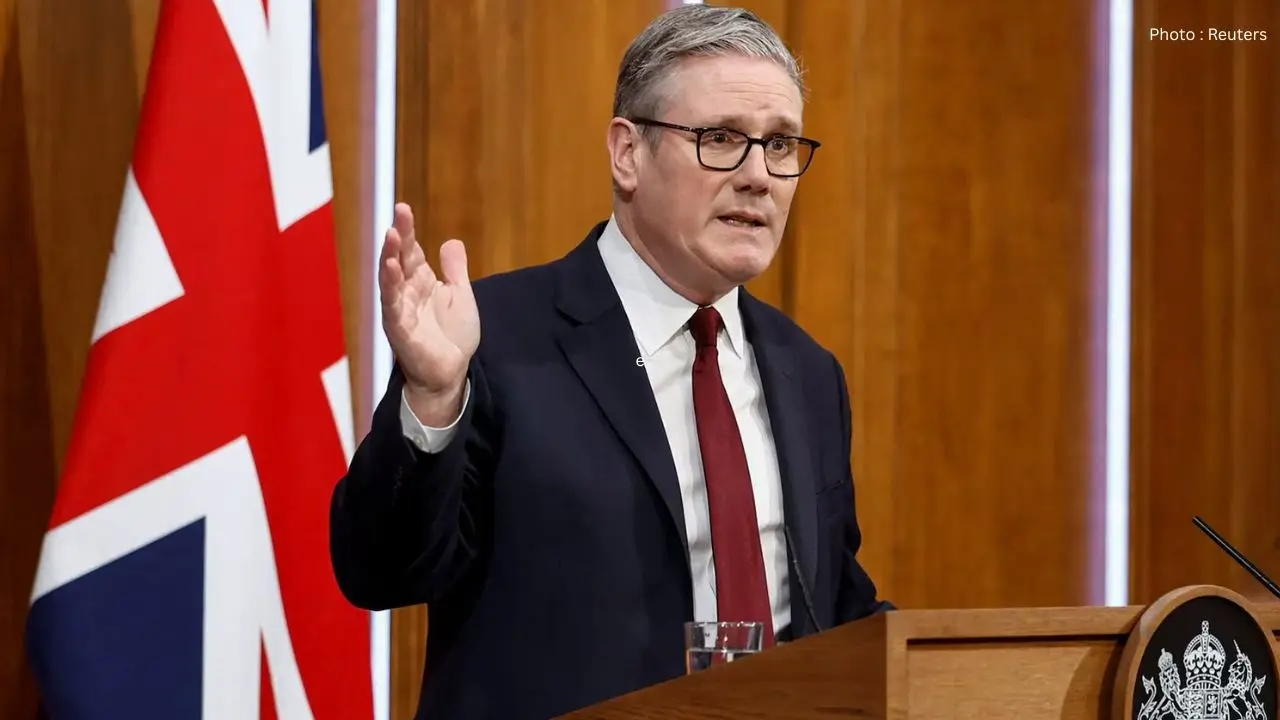
Britain’s local elections have resulted in a considerable political setback for Prime Minister Keir Starmer and his Labour Party, as Nigel Farage’s Reform UK gained substantial traction in various regions of England. The election outcomes are seen as a clear public rebuke to Labour’s leadership amid growing discontent over economic and social challenges in the UK.
Initial results indicated that Labour lost key council seats in several regions, including areas traditionally considered its strongholds. Reform UK emerged as one of the most notable victors, attracting support from disillusioned voters fed up with both Labour and the Conservative Party.
These outcomes have intensified pressure on Prime Minister Keir Starmer, whose approval ratings have sharply declined since Labour took office. Voters anticipated quicker economic progress, reduced living expenses, and enhanced public services following years of Conservative governance. However, rising frustration regarding inflation, healthcare services, housing crises, and sluggish economic growth appears to have eroded Labour’s base.
Nigel Farage characterized the election results as a “historic shift” in British politics, as Reform UK secured seats in constituencies dominated by both Labour and Conservative candidates. The party has concentrated on issues like immigration, national identity, border controls, and critiques of the conventional political establishment.
Political commentators suggest these election results signal a shift away from Britain’s traditional two-party framework. Smaller parties, including Reform UK, the Green Party, and the Liberal Democrats, are capturing the interest of voters dissatisfied with mainstream political options.
Additionally, the Green Party saw increased backing in urban regions and among younger demographics worried about climate change, housing, and social equity. The Liberal Democrats also made gains in various local councils as public support became more fragmented among different political factions.
Despite the disappointing outcomes, Keir Starmer has made it clear he will not resign. He acknowledged the challenging results, taking responsibility for the losses while committing to continue leading and prioritizing change for the nation.
However, this electoral blow has sparked discussions within Labour concerning potential future leadership challenges. Observers suggest that if public support continues to wane before the next general election, senior figures within Labour may face pressure to advocate for change.
The local elections laid bare deeper societal rifts in Britain. Many voters voiced frustration over mounting living costs, healthcare pressures, immigration issues, and an erosion of trust in political leaders. Economic insecurity and dissatisfaction with public services are now prominent political concerns throughout the UK.
Experts indicate that Reform UK’s rising popularity reflects broader political trends seen across Europe, where populist and anti-establishment movements are gaining ground by addressing immigration, nationalism, and frustrations with traditional governance.
While the local election results won’t directly determine the next national election, they serve as a critical warning signal for Labour. The outcomes underscore the reality that many British voters are still in search of more resolute leadership and expedited solutions to pressing economic and social issues.
The political landscape in Britain appears to be more fragmented and unpredictable than it has been in many years. As Reform UK continues to gather momentum and Labour grapples with restoring public trust, the UK could be shifting into a new era of multi-party politics and heightened political contestation.