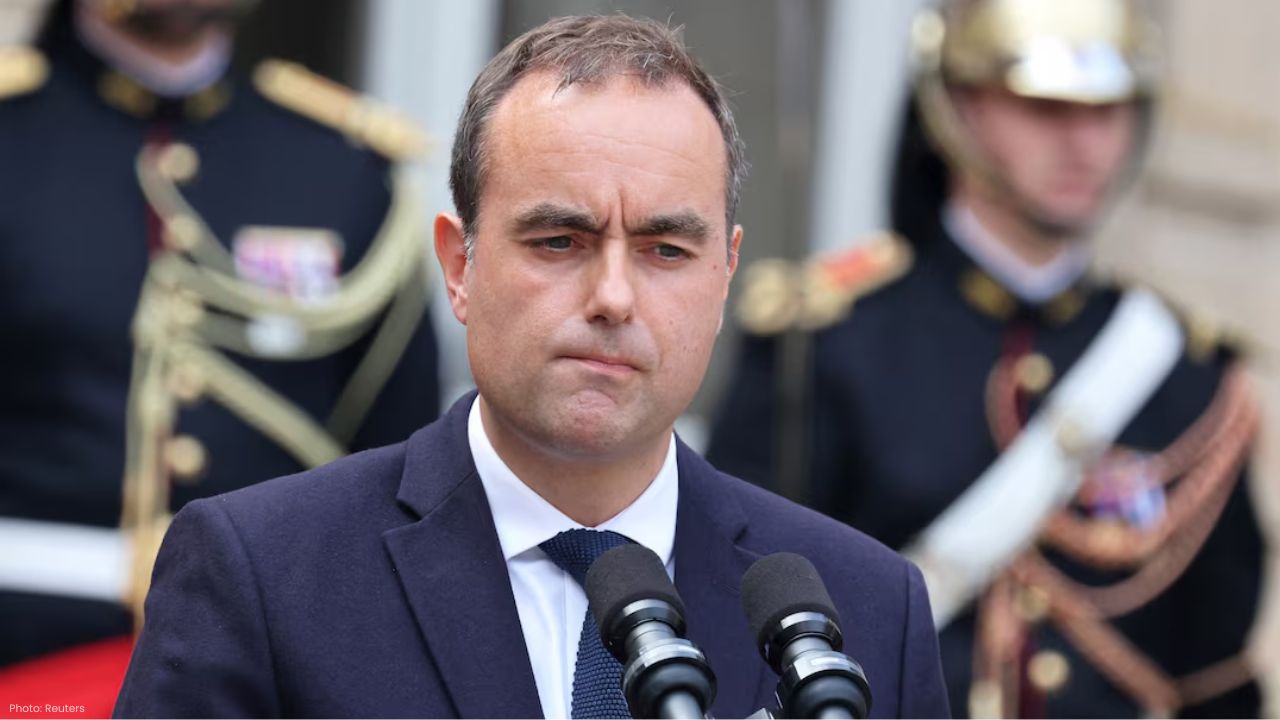
Clément Lecornu, France's shortest-serving prime minister in modern times, narrowly avoided an even briefer second tenure after conceding on controversial pension reforms. The move comes amid mounting pressure from Socialists and a fragmented legislature.
Pension Reform Concession Eases Immediate Threat
Lecornu’s announcement on Tuesday that he would delay the pension reform until after the 2027 presidential election secured temporary political breathing space. The Socialists, key to his survival, welcomed the decision, pledging not to support two no-confidence motions scheduled for Thursday—one from the far-left and another from the far-right National Rally.
Despite this concession, the outcome remains uncertain. Rebels from either the Socialists or the conservative Republicans could sway the result, as 265 lawmakers have already expressed support for motions against Lecornu, while 289 votes are required to unseat him.
Legislative Strategy and Macron’s Economic Legacy at Stake
Lecornu also pledged to propose in November an amendment to the social security financing law to formally suspend the reform. By targeting this central economic policy, he risks undermining one of President Emmanuel Macron's signature domestic achievements, at a time when France’s public finances remain fragile.
The nation faces its worst political crisis in decades, with successive minority governments struggling to pass deficit-reducing budgets through a legislature divided into three ideological blocs.
Socialists Eye Wealth Tax as 2026 Budget Talks Begin
Meanwhile, France’s Socialists have announced plans to push for a tax on billionaires in the 2026 budget, signaling further contention as parliamentary negotiations on fiscal policy get underway.