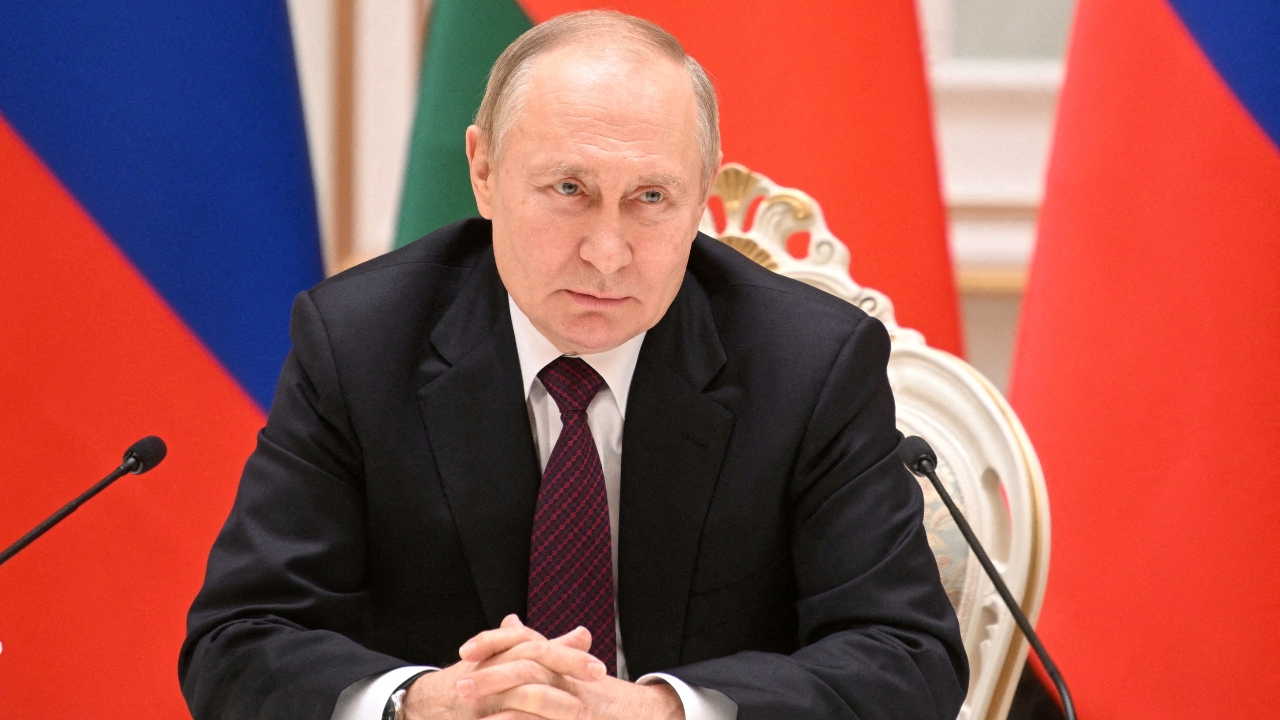
Photo:Reuters
The Kremlin has confirmed that Russian President Vladimir Putin and former U.S. President Donald Trump could meet again soon. This news has already captured international attention. The idea of these two powerful figures returning to the same table is not just about personal diplomacy — it raises bigger questions about the future of global politics, U.S.–Russia ties, and the way both leaders want to shape their international roles.
A Relationship That Always Drew Attention
The relationship between Putin and Trump has long been one of the most debated topics in global affairs. During Trump’s presidency (2017–2021), his approach toward Russia was often viewed as softer compared to his predecessors. While Trump presented himself as a leader willing to negotiate and reduce tensions, critics accused him of being too close to Moscow. His meetings with Putin, especially the one in Helsinki in 2018, were remembered for the unusual image of an American president appearing to align more with the Russian leader than with his own intelligence services.
Whenever Putin and Trump met, the world watched closely. Supporters praised those talks for breaking years of hostility. Critics, on the other hand, saw them as risky moments where U.S. interests might have been sidelined. The very announcement of a possible new meeting in 2025 brings back that same mix of hope, caution, and controversy.
Why the Kremlin Spoke Up Now
The timing of this statement from the Kremlin is no accident. Russia has been facing increasing global isolation due to its ongoing conflict in Ukraine, strained relations with NATO, and sanctions that have hurt its economy. Announcing the possibility of talks with Trump allows Moscow to send a message: it still has international players willing to speak to it, even as Western governments try to lock it out.
At the same time, Trump remains an influential figure in U.S. politics. Whether or not he returns to the White House, his voice carries weight with millions of American voters and policymakers who see him as a potential future leader. For Russia, opening the door to Trump again is a way of preparing for changing political winds in Washington.
The United States Viewpoint
From the American side, more questions than answers remain. The Biden administration has not confirmed any such meeting, and official Washington continues to treat Russia as an adversary. For them, dialogue should only happen when it leads to meaningful progress on major issues — such as ending the war in Ukraine or reducing nuclear risks.
Yet, Trump represents a different path. When he was in office, he signaled interest in a more pragmatic style of diplomacy. Many believe that if he were still in power, he would have managed the Ukraine crisis very differently, possibly by making deals instead of maintaining constant pressure. His willingness to meet Putin now, even outside of office, could hint at the foreign policy direction he would take if he returned to power.
Possible Agendas on the Table
Although no official agenda has been announced, likely topics for discussion are easy to predict:
-
The War in Ukraine: The central issue affecting U.S.–Russia relations. Any talk of negotiations, even informal, could attract global attention.
-
Nuclear Arms Control: Both countries hold the world’s largest nuclear arsenals, and previous agreements have been collapsing in recent years.
-
Global Security: From the Middle East to energy supplies, Putin and Trump could discuss broader security challenges.
-
Sanctions and the Russian Economy: Lifting or easing sanctions has always been a point of Russian interest.
If such a meeting goes ahead, it might not produce immediate results. But the symbolism of Putin shaking hands with Trump again would be strong in itself, especially for Russia’s domestic audience.
Risks and Rewards
For Trump, the risk lies in once again being criticized for appearing too close to Putin. Every time he has engaged with the Kremlin leader, political backlash has followed him back home. On the other hand, showing that he can talk to Putin when others cannot could boost his image as a dealmaker and global leader.
For Putin, the reward is bigger. At a time when he is trying to show Russian citizens that their country is not cut off from the world, standing next to Trump — a major figure in American politics — would help push that narrative. It would be a propaganda win that Russia could use to argue that isolation is not complete.
What This Means Globally
The possibility of another Putin–Trump meeting comes at a moment when global tensions are high. Western nations continue to confront Russia over Ukraine. NATO has expanded in strength. China is becoming a stronger partner for Moscow. The Middle East remains unstable. In such a climate, even one meeting between these two leaders could alter expectations and strategies.
Some experts view this as an opportunity. If Trump can open a channel of communication, it might help reduce dangerous misunderstandings between two nuclear powers. Others worry that any dialogue, unless carefully managed, could once again weaken unity among America’s allies and create confusion about U.S. foreign policy priorities.