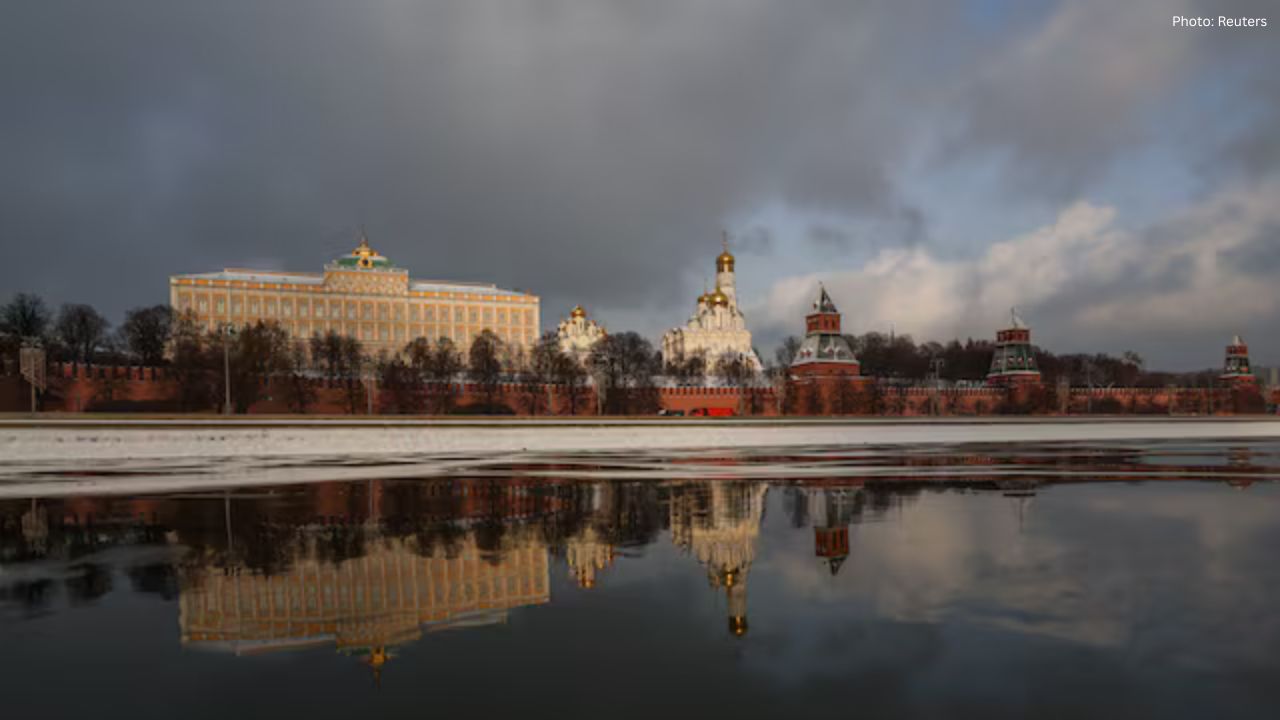
The Kremlin has intensified its demands on Ukraine to pull back its military presence from the Donbas region, asserting that this action is essential for any genuine pursuit of peace. This statement emerged on Monday, coinciding with rising speculation that Russian President Vladimir Putin and U.S. President Donald Trump may connect again shortly.
Kremlin spokesperson Dmitry Peskov emphasized that Ukraine should withdraw its forces from the territories of Donbas under its command. Moscow warns that without an agreement, Ukraine risks further territorial losses in the upcoming months. The Russian government frequently leverages this narrative to advocate that military conditions should dictate any discussions around peace.
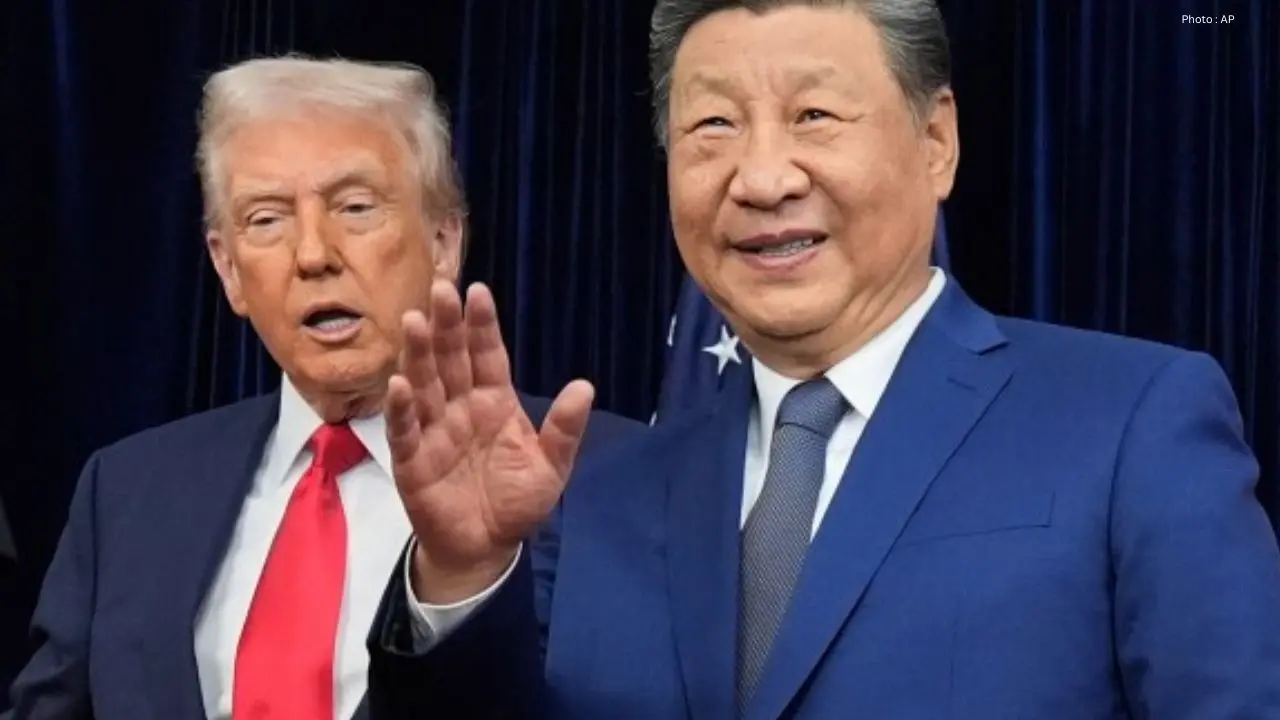
Peskov’s comments came after a phone discussion between Putin and Trump on Sunday, which occurred just before Trump met with Ukrainian President Volodymyr Zelenskiy in Miami. The Kremlin has confirmed that another call between Putin and Trump is likely to happen soon, although no specific date has been issued.
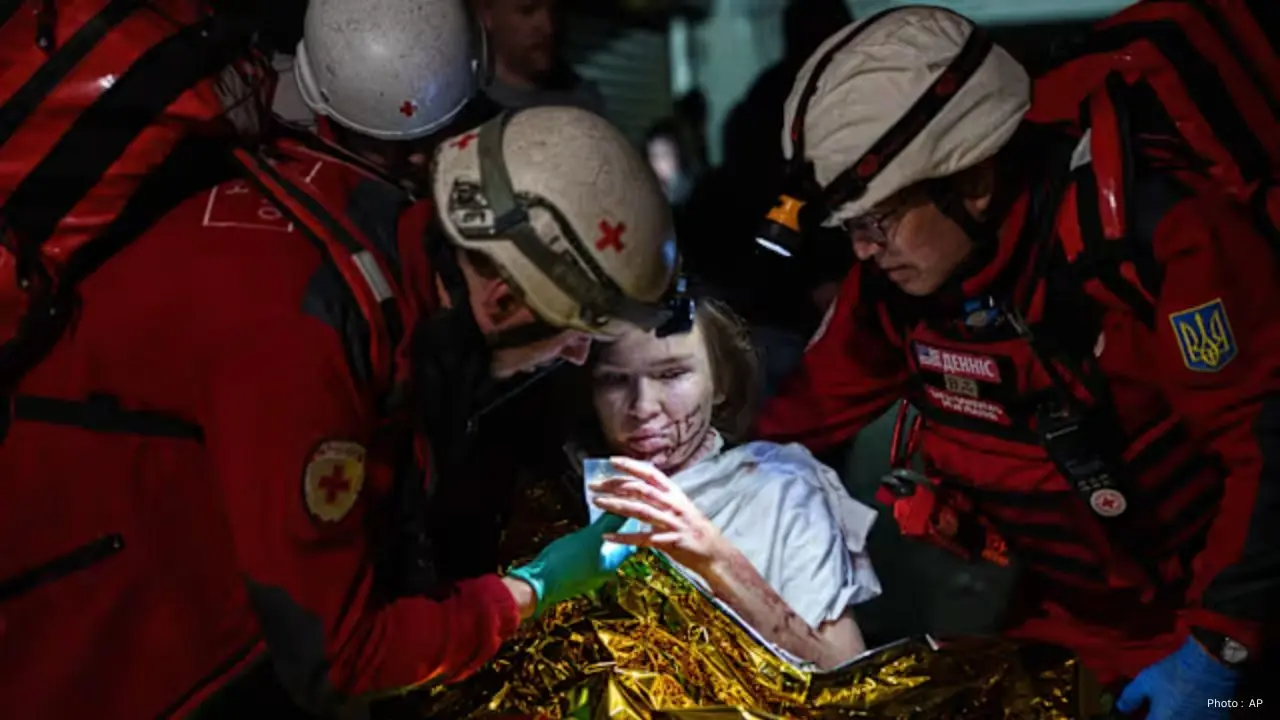
The Donbas region has been central to the ongoing conflict for several years. Russia claims to currently control approximately 90% of Donbas, along with significant portions of southern Ukraine, including most of the Zaporizhzhia and Kherson regions. Crimea, annexed by Russia in 2014, remains under its control, a move largely contested by Ukraine and the international community.
Moscow regards the Donbas, Zaporizhzhia, and Kherson areas as Russian territory, yet Ukraine and numerous international entities maintain that these regions belong to Ukraine. This fundamental conflict is a significant obstacle to achieving peace.
When questioned if Russia also seeks a military withdrawal from Zaporizhzhia and Kherson, Peskov refrained from revealing specifics, stating it was unsuitable to discuss terms in public. He further declined to address proposals such as transforming Donbas into a free economic zone or the status of the Zaporizhzhia nuclear plant under Russian control.
Peskov underscored that there are no intentions for a direct conversation between Putin and Zelenskiy, indicating that Russia favors engaging Ukraine via broader diplomatic avenues, including discussions with the United States.
The Kremlin has reiterated statements previously made by Trump, implying that Ukraine could face additional territorial losses if it does not reach a settlement. These assertions have alarmed Ukrainian officials and their allies, who are concerned that pressure for a rapid resolution might jeopardize Ukraine's territorial integrity and sovereignty.
As the war persists, the atmosphere remains fraught with tension and unpredictability. The anticipated Putin–Trump call may provide insights into the future direction of diplomatic efforts. At present, Russia's stance is steadfast: troop withdrawal from Donbas is viewed as a crucial prerequisite for peace, while Ukraine remains firm in its refusal to concede any land.