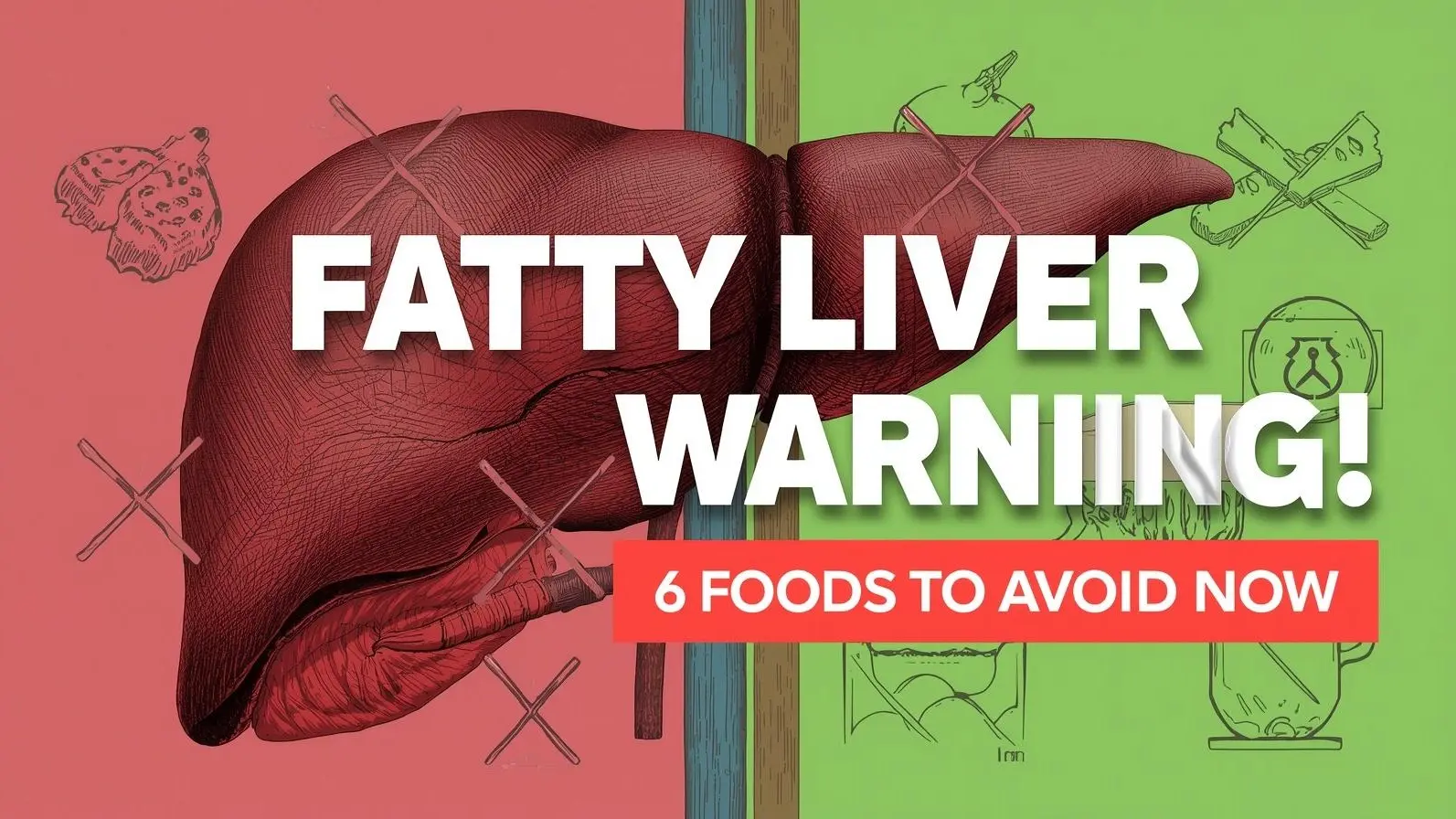
Key Foods to Evade for Fatty Liver Management
The condition known as Non-Alcoholic Fatty Liver Disease (NAFLD) has emerged as a widespread lifestyle-related health issue globally. It occurs when excess fat accumulates in liver cells caused by poor dietary choices, a sedentary lifestyle, obesity, or metabolic concerns. A significant concern is that it typically displays no obvious symptoms initially, which allows it to progress without notice.
As a crucial organ, the liver plays a pivotal role in detoxification, metabolizing nutrients, and storing them. When fat accumulates in the liver, these vital functions can deteriorate. If left unaddressed, fatty liver could lead to serious complications such as inflammation, fibrosis, or severe liver injury.
The encouraging news is that fatty liver can often be reversed, particularly in its earlier phases. One of the most effective methods for reversal is through dietary management. While many prioritize including healthful foods, experts stress the critical aspect of eliminating specific harmful foods that exacerbate fat buildup in the liver and affect metabolic well-being.
Being aware of what foods to avoid—along with the reasons—is essential for safeguarding your liver and enhancing general health.
Sugary Foods and Sweet Beverages: The Hidden Dangers
Among the dietary risks, excessive sugar intake stands out as particularly hazardous for individuals with fatty liver. This is especially pertinent for foods laden with fructose, commonly found in sodas, packaged juices, sweets, and junk food.
When sugars are consumed excessively, the body doesn’t utilize all of it for immediate energy. The liver converts surplus sugars into fats via a process termed lipogenesis. This newly formed fat is stored within liver cells, making a direct contribution to conditions like Non-Alcoholic Fatty Liver Disease.
Sugary drinks pose a unique risk by delivering a huge sugar rush rapidly. Unlike solid foods, they won’t signal fullness, leading to unintentionally increased calorie consumption. Consequently, this can elevate insulin resistance, a major contributor to fatty liver disease.
Regular indulgence in sugary items may:
- Enhance fat accumulation in the liver
- Disrupt blood sugar management
- Encourage weight gain
- Induce inflammation
Seemingly healthy choices like fruit juices can also harbor significant sugar levels, making it crucial to limit any added sugars when dealing with fatty liver.
Fried and Fast Foods: Loading the Liver with Fats
Fried foods and fast meals represent another significant threat. These items typically contain saturated and trans fats that the body struggles to break down, contributing to fat accumulation in the liver.
Examples include deep-fried items, pizzas, burgers, processed chips, and street food prepared in reused oil. They are calorie-dense yet nutritionally lacking.
Regular consumption can:
- Elevate bad cholesterol levels
- Encourage liver fat storage
- Induce oxidative stress and inflammation
- Hinder liver functionality
A hidden risk associated with fried food comes from the use of reheated oil, which produces hazardous compounds that can jeopardize liver cells over time.
People often underestimate the repercussions of sporadic fast food. However, even moderate yet frequent consumption can lead to extensive liver fat buildup. Reducing fried food consumption is vital for fostering liver health.
Refined Carbs: The Hidden Sugar Generators
Refined carbohydrates also contribute significantly to fatty liver, despite many being unaware of it. Foods like white bread, pasta, and excessive polished rice quickly convert to glucose in the body.
This rapid conversion can cause spikes in blood sugar levels, which forces insulin release. These repeated spikes may lead to insulin resistance, strongly associated with Non-Alcoholic Fatty Liver Disease.
Once insulin resistance is established, the body loses efficiency in utilizing glucose for energy. Thus, excess glucose is transformed into fats stored in the liver.
The problem with refined carbs isn’t solely their sugar yield—it’s their lack of fiber, which normally aids in slowing digestion and maintaining stable blood sugar levels. Without fiber, the body quickly processes these foods, inducing metabolic strain.
Regular consumption can:
- Encourage liver fat accumulation
- Disrupt metabolic balance
- Lead to unwanted weight gain
- Exacerbate insulin resistance
Choosing whole grains like brown rice and oats can significantly alleviate these risks, promoting better liver health.
Alcohol: A Direct Threat to Liver Function
Even though Non-Alcoholic Fatty Liver Disease isn’t directly induced by alcohol, consumption can gravely exacerbate the condition. The liver is charged with metabolizing alcohol, a process that creates toxic byproducts damaging liver cells.
Alcohol consumption causes the liver to prioritize its breakdown over other metabolic activities, hindering fat metabolism, and increasing fat accumulation.
Over time, alcohol consumption may:
- Incite liver inflammation
- Heighten oxidative stress
- Damage liver cells
- Quickly worsen disease progression
For anyone managing fatty liver, even minimal alcohol intake can be detrimental. Experts usually suggest complete abstinence to facilitate liver healing.
Processed Foods: A Mix of Health Risks
Modern diets heavily feature processed foods, but they can significantly threaten liver well-being. These foods typically have a blend of unhealthy fats, excessive sodium, added sugars, and artificial ingredients.
Convenience items such as instant noodles, pre-packaged meals, and snacks may save time but come with substantial drawbacks.
These foods can:
- Cause bloating and water retention
- Add concealed calories
- Encourage fat storage
- Stress the liver with preservatives
Processed foods are often designed for high palatability, promoting overeating. This behavior can translate into excess calorie intake, directly influencing fatty liver.
Shifting focus away from processed foods to whole, fresh choices can enhance liver performance significantly.
Red Meat and High-Fat Animal Products: Heavy Burdens on the Liver
Red meat and high-fat animal products are rich in saturated fats that can overstrain the liver when consumed excessively. Foods like beef, lamb, processed meats, and full-fat dairy can amplify fat levels in the liver.
These foods can:
- Elevate cholesterol levels
- Encourage fat buildup
- Slow down metabolic processes
Moderation is crucial. Completely cutting out red meat may not be essential for everyone, but limiting its intake can ease the burden on the liver.
Understanding the Importance of Food Choices
While fatty liver can often be reversed, it requires timely action. Steering clear of detrimental foods isn’t merely about preventing damage—it's about promoting liver healing.
Removing these foods from your diet can lead to:
- Reduction in liver fat
- Decreased inflammation
- Enhanced insulin sensitivity
- Overall metabolic improvement
The liver has an impressive regenerative capacity but needs the appropriate conditions to thrive.
Long-Term Lifestyle Changes for Recovery
Dietary changes are merely one piece of the puzzle. Merging these changes with physical exercise, ample sleep, and stress management can expedite recovery.
Incremental and consistent adjustments can yield:
- Steady weight loss
- Heightened energy levels
- Better digestive health
- Reduced risk of complications
Consistency is vital. There's no instant remedy for fatty liver, but a disciplined strategy can yield long-lasting benefits.
Disclaimer
This article serves informational purposes only and should not replace medical advice. Always consult a healthcare professional before making dietary changes.