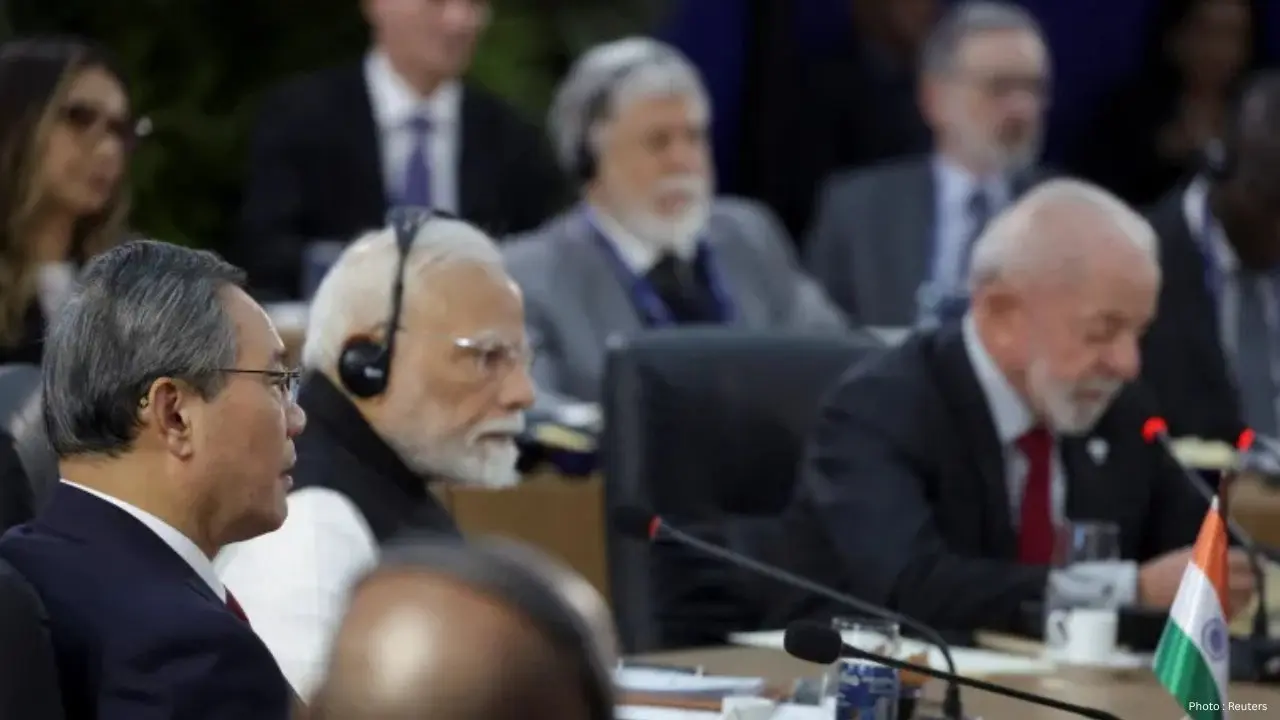
India is the venue for a crucial BRICS foreign ministers meeting as the ongoing conflict in Iran escalates international tensions. The gathering in New Delhi is garnering global attention, centering on topics of regional stability, energy security, diplomacy, and BRICS' evolving role in international affairs.
The BRICS coalition originally comprised Brazil, Russia, India, China, and South Africa. Over the years, it has expanded to include new members from the Middle East, Africa, and Asia, thereby amplifying its influence during significant global challenges.
This year's discussions occur at a precarious moment for global affairs, with the Iran conflict intensifying concerns over regional volatility, rising oil prices, and potential disruptions in trade. Many nations are apprehensive that a broader conflict in West Asia could jeopardize fuel supplies and economic progress globally.
India's hosting is particularly significant, given its diplomatic relationships with key nations embroiled in the crisis. New Delhi maintains strategic ties with Iran, Gulf states, Russia, Israel, and Western powers, positioning it as a key mediator capable of dialogue amid heightened tensions.
The ongoing Iran crisis has intensified focus on energy security, particularly with regards to essential oil shipping lanes like the Strait of Hormuz, through which a substantial portion of the world’s oil flows. Ensuring stability in this zone is critical for the global market.
Many BRICS nations rely heavily on energy imports, making them vulnerable to inflation and economic strain due to rising fuel prices or supply chain disruptions. Therefore, energy discussions are expected to be a primary focus throughout the meeting.
This gathering also underscores internal differences within BRICS, where some member nations have adopted firmer stances on the Iran situation, while others prefer to maintain a neutral diplomatic approach. This division reflects the complexities of uniting such a diversified group in times of crisis.
Despite existing disagreements, BRICS continues to advocate for developing nations and emerging markets, serving as a platform for discussions independent of traditional Western dominance.
India has emphasized enhancing collaboration within BRICS on key issues like trade, technology, climate initiatives, and global reforms. Hosting this meeting bolsters India's image as a pivotal diplomatic force internationally.
The attendance of high-ranking foreign ministers amplifies the meeting's significance, with discussions anticipated to encompass not only the Iran conflict but also economic partnerships, regional harmony, and future global challenges.
In light of current global dynamics, where wars and sanctions reign, diplomacy has gained paramount importance. Organizations like BRICS face growing expectations to navigate these issues through constructive engagement.
This meeting presents India with a strategic chance to reinforce its leadership role among developing nations, as it seeks to act as a bridge between major global powers and rising economies.
Experts suggest the future trajectory of BRICS will hinge on its ability to manage critical international challenges while reconciling the diverse interests of its membership. As the group evolves, maintaining cohesion could become increasingly challenging yet essential.
The New Delhi meeting signifies a shift in the global political landscape where new alliances are emerging, demanding stronger collaboration on energy security, trade stability, and regional peace amid rising uncertainty.
This BRICS meeting is more than an ordinary diplomatic affair; it has transformed into a critical forum for addressing war, economic stability, energy availability, and the broader future of global affairs.