The president of the John F. Kennedy Center for the Performing Arts has expressed strong disapproval over veteran jazz musician Chuck Redd’s recent cancellation of a traditional Christmas Eve concert, citing it as a politically motivated act that has caused considerable financial and reputational damage to the institution.
In a pointed letter to the Associated Press, Kennedy Center President Richard Grenell announced plans to seek up to $1 million in damages from Redd, who pulled out of the event just days before it was scheduled.
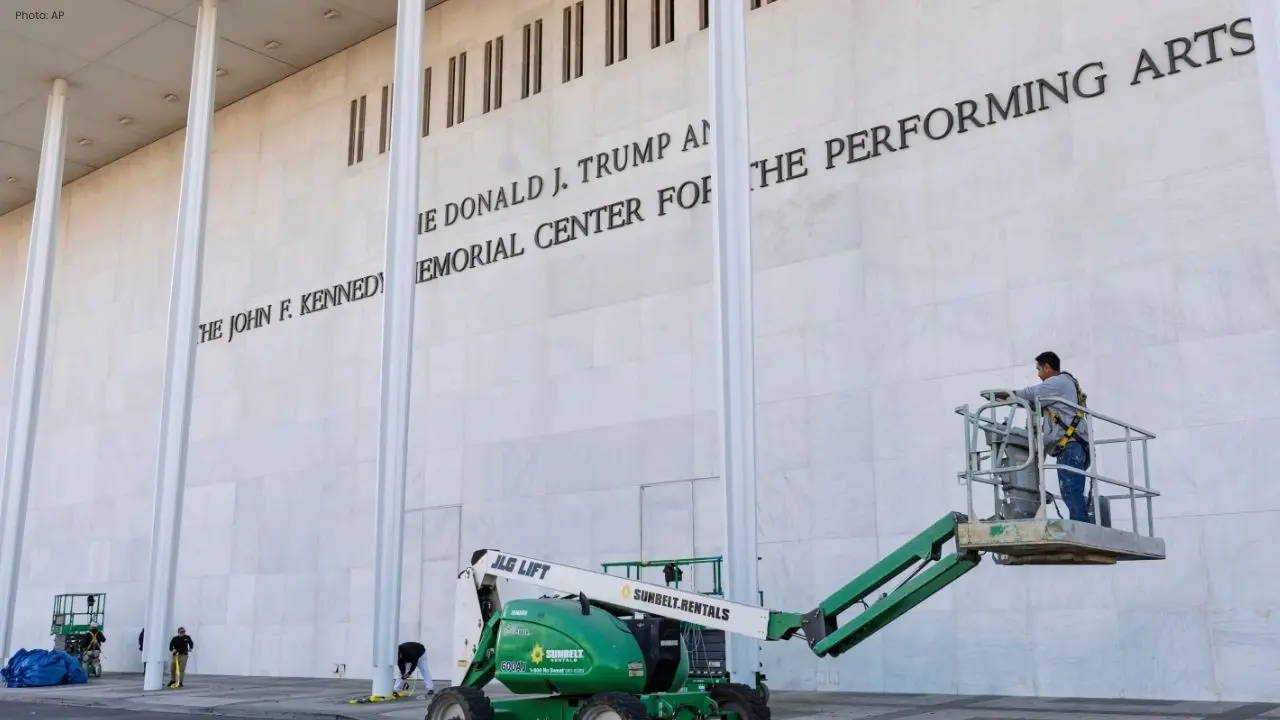
Grenell accused Redd of canceling “at the last moment” in direct response to the announcement earlier this month regarding the addition of Donald Trump’s name to the Kennedy Center building, a move decided by the White House.
“Your last-minute decision to withdraw — explicitly tied to the Center's recent renaming — exemplifies intolerance and brings great costs to a nonprofit arts institution,” Grenell stated. He characterized the cancellation as a “political stunt” that disturbed a major holiday event and impacted audiences, staff, and performers alike.
Redd has not yet responded to the comments made by Grenell following the letter.
Tradition of Holiday Celebration Stalled
Chuck Redd, known as an accomplished drummer and vibraphonist, has had a significant association with the Kennedy Center’s Christmas Eve “Jazz Jams” for nearly twenty years. He took over leadership of the popular holiday concert series in 2006 from the late bassist William “Keter” Betts.
This annual event has steadily become a hallmark of the Kennedy Center’s holiday programming, attracting large gatherings and prominently featuring student artists alongside esteemed jazz musicians.
In an email earlier this week, Redd acknowledged that his cancellation was directly linked to the naming controversy.
“Upon noticing the name change on the Kennedy Center website and shortly after on the building itself, I felt compelled to cancel our concert,” Redd noted. He reflected on the painful nature of the decision, recognizing the event's historical significance to audiences and emerging talents.
“It brought me sadness to have to cancel,” he added.
Renaming Provokes Legal and Historical Questions
Founded by Congress as a living tribute to John F. Kennedy, who was assassinated in 1963, the Kennedy Center was designated by federal law the following year. This legislation imposes strict guidelines on how the institution can be named and represented.
Legal experts and historians are voicing concerns that the addition of another name to the building might violate these laws. The statute explicitly prohibits the board of trustees from transforming the center into a memorial for anyone else or placing another individual’s name on the building’s exterior.
Despite these issues, the White House claims a board appointed by Trump sanctioned the alteration. Grenell, a close associate of Trump, has been appointed as the president of the Kennedy Center following the removal of the previous leadership.
Critics assert that it is Congress alone that possesses the authority to approve such a change.
Concerns from the Kennedy Family and Scholars
The decision has drawn fierce backlash from members of the Kennedy family and distinguished historians.
Kerry Kennedy, a niece of President Kennedy, has vowed to advocate for the removal of Trump’s name from the building once he vacates office, claiming that the renaming undermines the center’s original purpose as a nonpartisan national memorial.
Former House historian Ray Smock added that any modifications to the Kennedy Center’s name or memorial status would necessitate explicit congressional approval.
Scholars suggest that permitting political figures to attach their names to national cultural institutions could establish a troubling precedent and introduce future conflicts.
A Cultural Venue Entrapped in Political Disputes
This ongoing dispute illustrates the increasing tensions at one of the nation's key arts venues, as political decisions continue to seep into cultural spaces that have historically been considered neutral.
For the Kennedy Center, the cancellation of a cherished holiday concert and the looming threat of litigation highlight the financial and symbolic stakes involved in this controversy. For artists like Redd, this scenario prompts larger discussions about artistic freedom and the right to protest.
As this debate unfolds, the conflict has positioned the Kennedy Center at the heart of a national conversation regarding legality, legacy, and the involvement of politics in American cultural institutions.