As tensions escalate in the East China Sea, Japan faces a crucial decision regarding its fishing practices near the disputed Senkaku islands. In a discreet yet impactful development, Japanese authorities have started encouraging fishermen to refrain from approaching these waters to mitigate the risk of provocative encounters with China.
The Senkaku islands, referred to as the Diaoyu islands by China, consist of uninhabited rocks under Japanese administration but claimed by China as well. This territorial dispute has historically been a source of friction between these two nations. Japanese fishermen have traditionally operated in these waters, not only for its bountiful fishing opportunities but also to assert Japan's sovereignty over these territories. Nationalist factions in Japan rally behind these fishing expeditions as affirmations of national ownership.
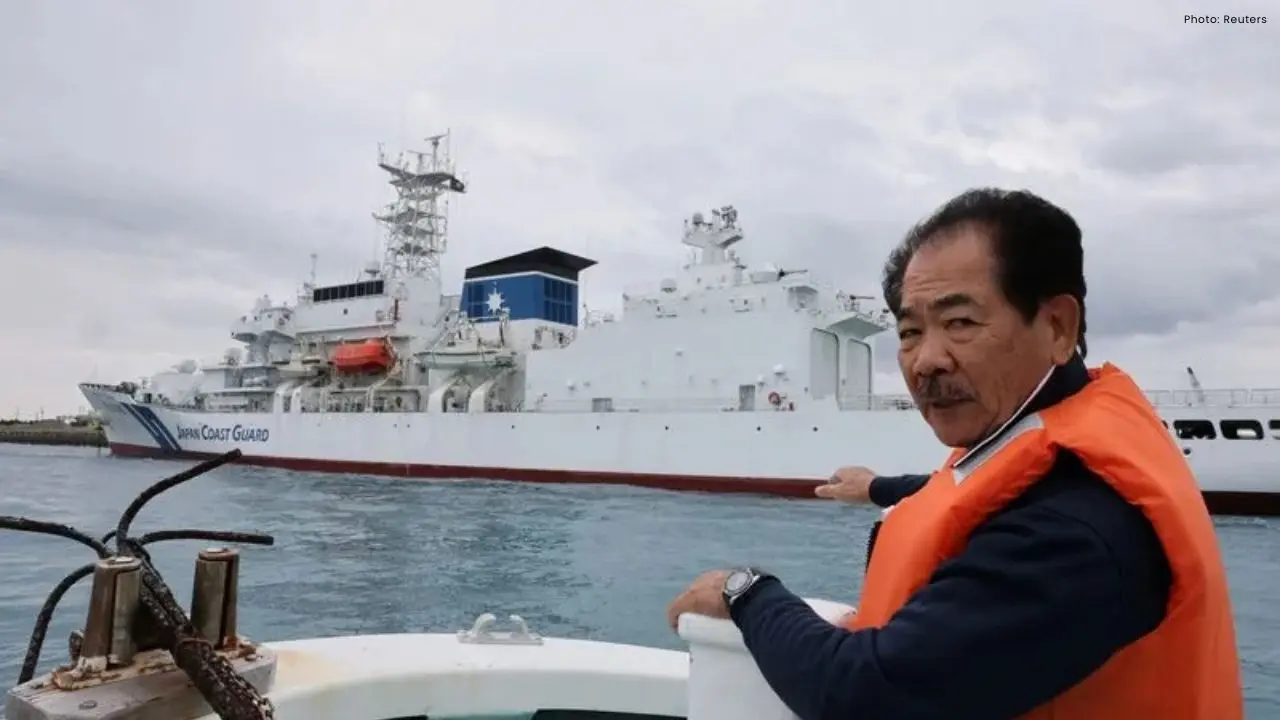
A notable figure in this ongoing situation is Hitoshi Nakama, a 76-year-old fisherman from Ishigaki, an island close to the contested waters. Nakama has devoted decades to fishing near the Senkaku islands, positioning himself as a protector of Japan's territorial integrity. In past experiences, he and his peers occasionally faced off against Chinese coast guard ships, opting for a cautious approach to ensure their activities continued safely.
However, since late last year, responses have shifted significantly. Both Nakama and other experienced fishermen have reported that officials have subtly advised them to avoid the islands, signaling a departure from previous norms where these fishing trips were tacitly permitted.
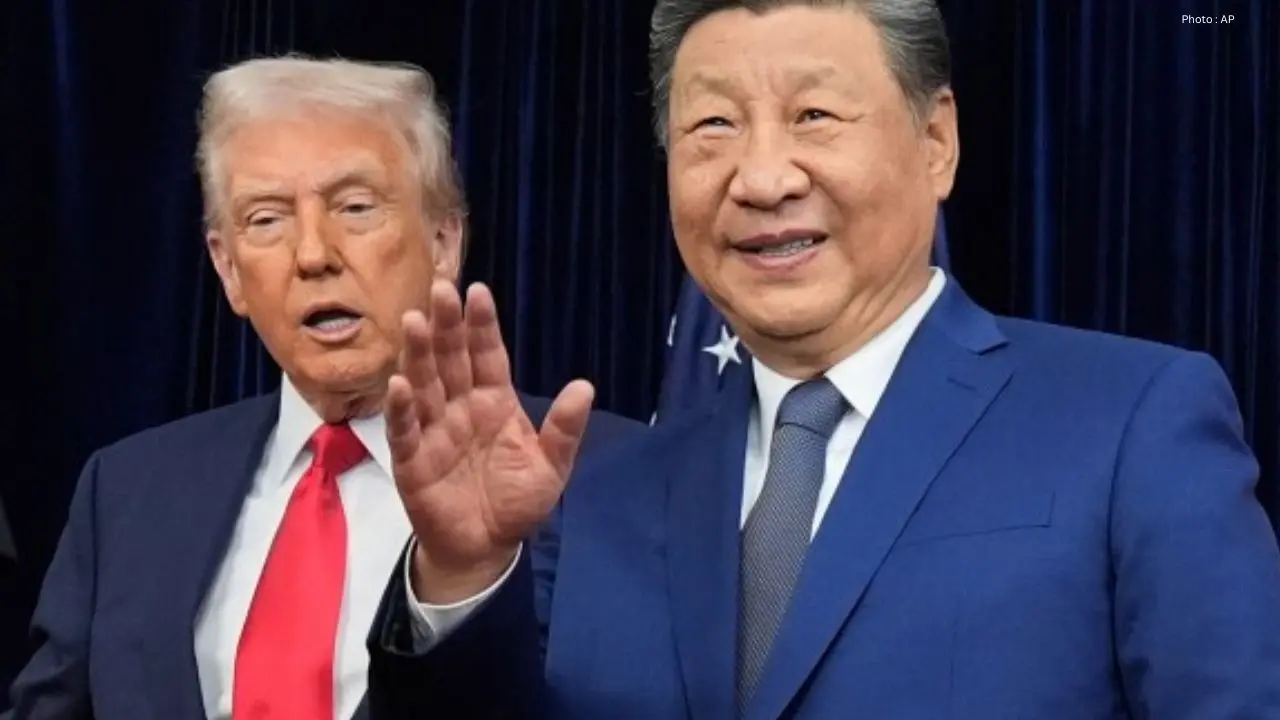
This advisory comes amid deteriorating relations between Tokyo and Beijing. In November, Prime Minister Sanae Takaichi’s statements regarding Japan's potential responses to a hypothetical Chinese attack on Taiwan intensified diplomatic tensions, prompting notable backlash from Beijing. It was also reported that U.S. President Donald Trump urged Takaichi to be prudent to prevent further agitation, raising questions about external influences on Japan's advisory to fishermen.
Despite the emergence of these private warnings, Japanese officials have refrained from formally acknowledging them. The Ministry of Foreign Affairs has reiterated Japan's claim over the islands while continuing to lodge diplomatic protests against Chinese incursions. Nevertheless, the discretion attached to these advisories hints at underlying governmental anxieties.
The dilemma for Japan is underscored by the inherent risks involved. Permitting fishermen to operate around the islands bolsters Japan's claim and visibility but simultaneously increases the probability of confrontations with assertive Chinese coast guard vessels. The potential for detentions or inspections by Chinese authorities threatens to escalate into a broader international incident.
Some local fishermen, including Kazushi Kinjo from Ishigaki, have already made adjustments in response to the changed climate. Kinjo recounted receiving several calls advising him against venturing near the islands just before a planned trip last November. Though he briefly navigated the area, he opted against fishing.
The warning from Tokyo became unmistakable in December when Finance Minister Satsuki Katayama met with Nakama personally. While she did not explicitly forbid him from fishing in the vicinity, her admonition that “minor incidents can spiral into larger conflicts” left a lasting impression on Nakama, who acknowledged the government's desire for him to steer clear.
Local authorities mirror this apprehension. The mayor of Ishigaki has expressed a collective wish to avert situations where fishermen face detention by Chinese forces, which could significantly heighten diplomatic tensions and necessitate security responses.
In response, China has accused certain nationalist Japanese factions of exploiting these fishing expeditions to provoke conflict, advocating for dialogue as the ideal means to address maritime issues. Concurrently, China has intensified its coast guard operations throughout the region, engaging in confrontational encounters with other neighboring nations like the Philippines.
Historical precedents illuminate the fragility of this situation. A notable diplomatic crisis erupted from a collision between Chinese and Japanese vessels near the islands in 2010, and relations soured further in 2012 when Japan nationalized several islands.
Currently, Japan endeavors to avoid repeating such historical missteps. Discerning a prudent approach to limit fishing activities might mitigate immediate dangers but also triggers fears that retreating could embolden China to reinforce its claims. The Senkaku islands remain a volatile flashpoint, where even minor maritime actions could yield unforeseen and significant repercussions.