Photo:AFP
The latest Israeli airstrikes in Syria once again remind the world how fragile the Middle East remains. For years, Syria has been the stage for multiple conflicts — from its civil war to the involvement of foreign powers. Israel’s attack near three cities inside Syria is a sign that the confrontation between Israel and Iran-backed forces is not ending anytime soon.
What Happened in Syria
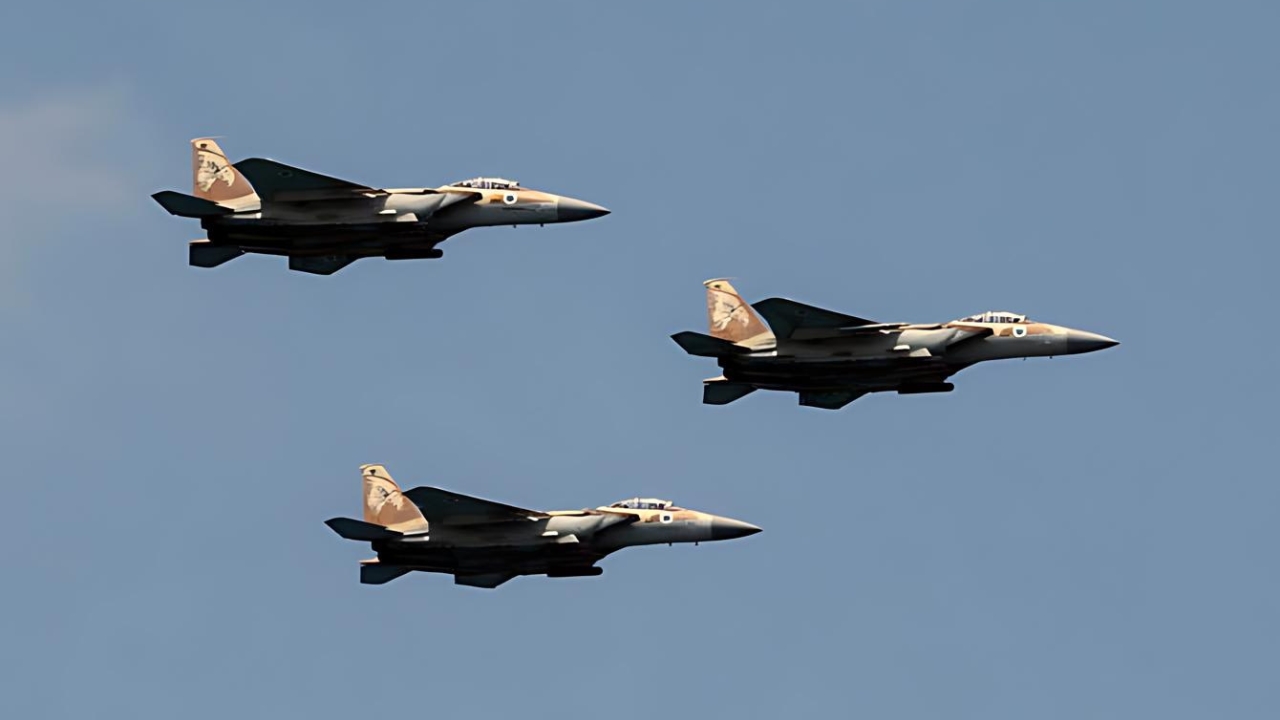
Late Monday, explosions shook parts of Syria as Israel struck locations around three major cities. Witnesses described loud blasts, flashes of fire, and plumes of smoke reaching into the night sky. The Syrian state news agency reported that air defense systems tried to intercept the strikes but could not prevent damage. Some missiles apparently reached their targets.
While official details are still unclear, analysts believe the airstrikes were aimed at military positions linked to Iran’s Revolutionary Guard and allied militias that operate inside Syria. For Israel, these groups pose a direct threat because of their support for Hezbollah in Lebanon and other armed factions along Israel’s borders.
Why Israel Carries Out Such Strikes
Israel has repeatedly targeted Syria over the last decade. Its government argues that it needs to stop the flow of advanced weapons to Hezbollah and prevent Iran from building military bases close to the Israeli frontier. In Israeli eyes, these operations are pre-emptive defense, designed to prevent wars before they start.
From Syria’s perspective, however, the strikes are violations of sovereignty and acts of aggression. Each air raid deepens anger inside the country and adds to the suffering of ordinary Syrians, who are already living through hardship after years of civil war, economic collapse, and sanctions.
The Regional Picture
The Middle East is in a complex and dangerous moment. Syria remains unstable after more than a decade of war. Iran continues to expand its influence across Iraq, Syria, and Lebanon. Israel feels increasingly threatened by this arc of Iranian power surrounding it. At the same time, global powers like Russia and the United States are also active in Syria, often pursuing competing interests.
Every strike risks a wider clash. For example, if Iranian forces are killed in such attacks, Tehran may feel compelled to retaliate — either directly or through allied militias. This could trigger new violence, not just in Syria but also in Lebanon or even inside Israel itself.
Civilian Suffering Continues
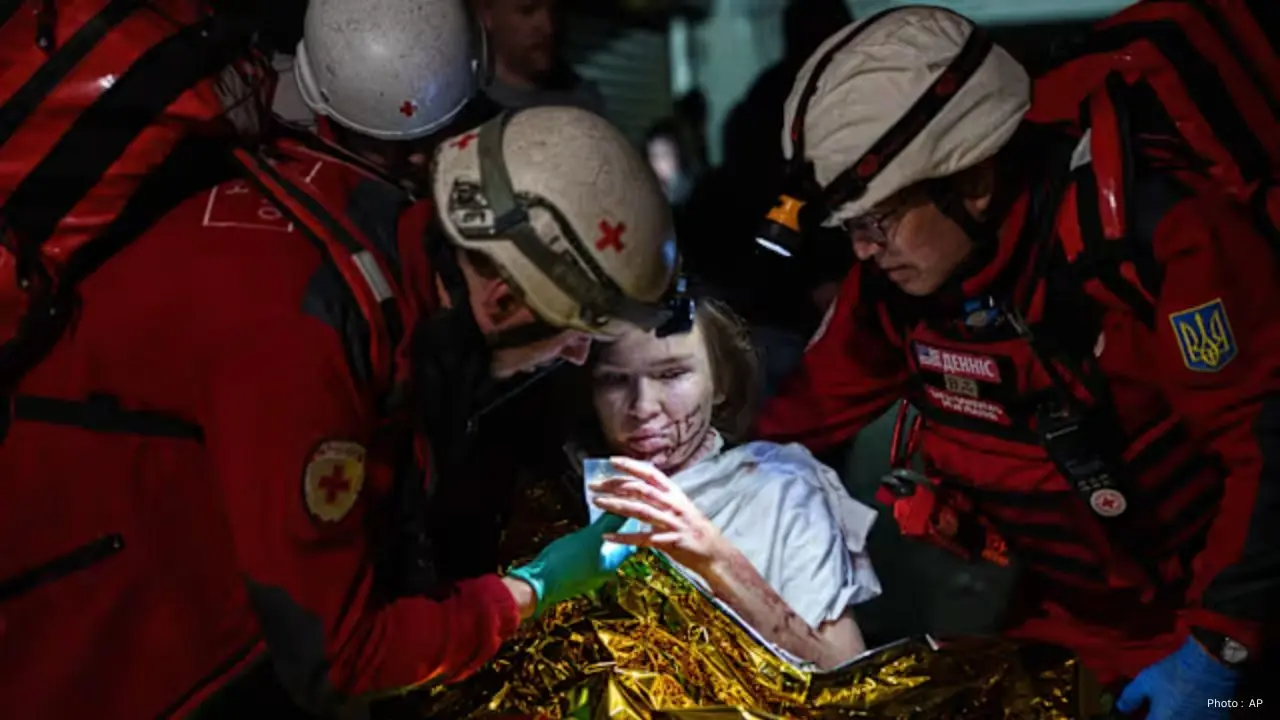
While much of the focus is on the military and political angle, it is important not to forget the civilian reality. Each time missiles fall, Syrian families are placed in danger. Even when the targets are military, bombs often land close to residential areas. Hospital staff in Syria are already overstretched, and fresh waves of wounded only increase pressure on a health system damaged during years of war.
For people living in the areas targeted, Monday night’s strikes were terrifying. Many no longer believe they are safe anywhere. The sound of warplanes above and sudden explosions have become a recurring part of life, a scar that generations will carry forward.
International Response and Silence
Interestingly, most international reactions remain muted. Western governments often emphasize Israel’s right to self-defense, while also calling for restraint. Russia, which remains an important power inside Syria because of its military alliances with Damascus, routinely condemns such Israeli actions but does little beyond issuing statements.
This lack of strong global pressure means Israel is likely to continue with its strategy of striking Iranian-linked positions inside Syria whenever it deems necessary. For now, the world seems unwilling or unable to limit these operations.
Why This Matters for the Future
Israel’s strikes in Syria are not isolated incidents. They are part of a much larger conflict pattern in the Middle East. With every new attack, the chances of miscalculation rise. A missile could hit the wrong target, accidentally causing large civilian casualties or harming foreign forces stationed nearby. That kind of mistake could quickly expand into something much worse.
In addition, the repeated air campaigns highlight the absence of a long-term solution. Even if Israel succeeds in destroying weapons shipments or bases in Syria, Iran and its allies often rebuild them. The cycle continues, but ordinary Syrians and the wider region pay the price.
What Can Be Done?
To move forward, the international community must recognize the risk of further escalation. At the very least, there needs to be sustained diplomatic engagement to reduce tensions between Israel and Iran. This crisis is not only about two countries; it threatens the entire Middle East and, with it, global stability.
For Syria, the only path to peace lies in restoring sovereignty and rebuilding a state that can protect its people while engaging responsibly with neighbors. But given the fractured reality of Syrian politics, this remains a distant goal.