Israel carried out airstrikes on an Iranian petrochemical facility and other military targets on Monday, marking a significant escalation in tensions between the two regional rivals. The strikes came despite ongoing diplomatic efforts led by U.S. President Donald Trump, who has continued to express confidence that a broader agreement with Tehran remains within reach.
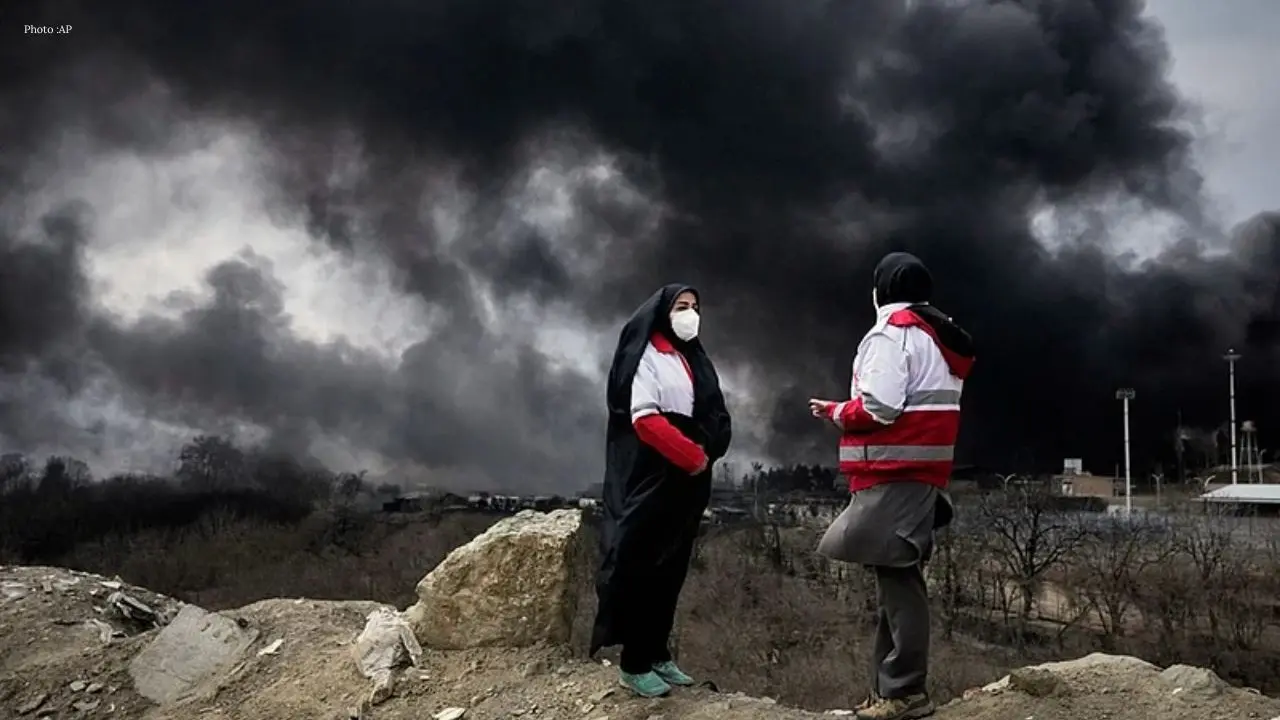
According to Israeli officials, military aircraft targeted facilities within the Mahshahr petrochemical complex in southwestern Iran, along with additional military-related sites. Iranian media reported that sections of the petrochemical facility suffered damage, although no injuries were immediately reported. Authorities ordered workers to evacuate the site while assessments of the damage continued.
The strike is believed to be the first reported attack on an Iranian energy facility since a ceasefire between Israel and Iran took effect in April. The development has raised concerns about the stability of the fragile truce and the possibility of renewed regional conflict.
The latest military action followed a series of exchanges between Israel and Iran. Iran launched missiles toward Israel in response to Israeli operations in Lebanon, while Israel responded with further strikes targeting Iranian military infrastructure. Israeli officials stated that air defence systems successfully intercepted incoming missiles and that military operations were aimed at reducing future threats.
Adding to regional tensions, Yemen's Iran-aligned Houthi movement claimed responsibility for a missile attack on Israel, the first such strike since the ceasefire began. The group also threatened Israeli-linked shipping routes in the Red Sea, warning that maritime traffic associated with Israel could become a target.
The Houthis said they consider Israeli-related movements in the region to be legitimate military targets. Their involvement has increased concerns among international observers that the conflict could expand beyond Israel and Iran and affect broader regional security.
Despite the latest violence, President Donald Trump insisted that diplomatic efforts remain on track. Trump said the renewed military exchanges would not derail ongoing negotiations between Washington and Tehran. He emphasized that progress toward a larger peace agreement was still possible.
Speaking about his discussions with Israeli Prime Minister Benjamin Netanyahu, Trump suggested that diplomacy should remain the priority. Reports indicate that Trump urged Netanyahu to avoid further escalation, arguing that negotiations were approaching a critical stage.
According to reports, Trump told Netanyahu that both sides had already demonstrated their military capabilities and that additional attacks could jeopardize efforts to secure a broader agreement. The U.S. president has repeatedly stated that he believes a deal with Iran remains achievable despite the recent exchange of strikes.
The conflict remains closely tied to developments in Lebanon. Israel has continued military operations against Hezbollah, the Iran-backed group operating in southern Lebanon. Iranian officials have long argued that any lasting agreement with the United States must also include stability in Lebanon and an end to major military operations there.
Iranian leaders accused Israel of undermining diplomatic progress through continued military actions. Officials in Tehran warned that further attacks could trigger stronger responses and increase the risk of a wider regional confrontation.
The latest developments also affected global energy markets. Oil prices rose by more than three percent following reports of the strikes, reflecting investor concerns about potential disruptions to energy supplies in the Middle East. Analysts noted that attacks involving energy infrastructure often lead to increased uncertainty in global markets.
Meanwhile, international leaders continue to call for restraint. Governments across Europe, North America, and the Middle East have urged all parties to avoid actions that could further destabilize the region. Diplomatic efforts remain focused on preserving the ceasefire and preventing a broader conflict.
While negotiations between the United States and Iran continue, the latest exchange of military action highlights the challenges facing diplomats seeking a long-term solution. The coming days are expected to be crucial as both sides weigh their next steps and international mediators work to prevent further escalation.
A sustained ceasefire and successful diplomatic agreement could help reduce tensions across the Middle East, but continued military exchanges risk undermining those efforts and creating new security challenges for the region and beyond.
Stay connected with us for all the latest major updates and developments.