Tensions in the Middle East escalated significantly after Israel and Iran exchanged military strikes, raising concerns that a fragile ceasefire could be at risk. The latest attacks mark the most serious direct confrontation between the two countries since a ceasefire agreement was reached earlier this year.
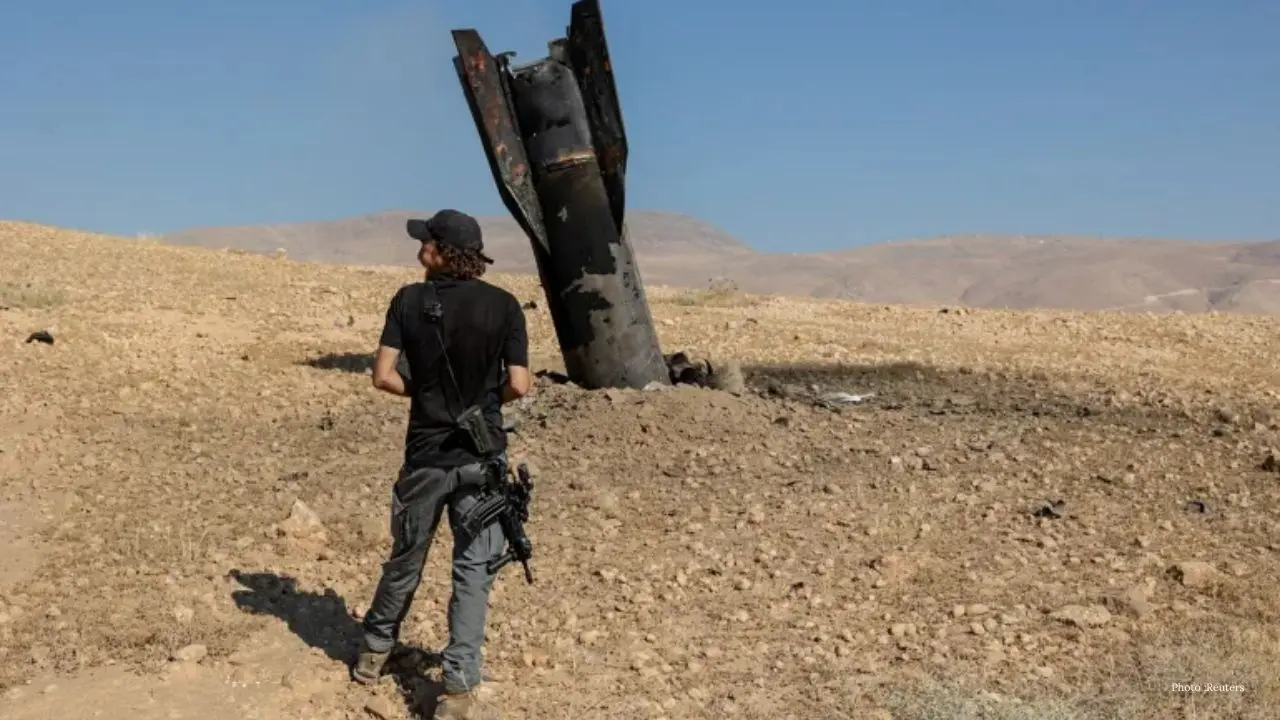
According to Israeli military officials, Iran launched multiple missiles toward Israeli territory, prompting air raid sirens in several regions and activating Israel's air defence systems. Authorities reported that the incoming missiles were intercepted, and there were no immediate reports of major casualties. The attack was described as the first direct Iranian missile barrage against Israel since the ceasefire took effect in April.
In response, Israel carried out airstrikes on military targets in central and western Iran. The Israeli military said the operation targeted sites linked to Iran's military infrastructure, including missile-related facilities. Explosions were reported in several Iranian cities, including Tehran, Isfahan, Karaj, and Tabriz, as the strikes unfolded.
Iran's Islamic Revolutionary Guard Corps (IRGC) confirmed that it had launched attacks against Israeli military installations. Iranian officials said the missile strikes were a response to Israeli military actions in Lebanon, particularly recent airstrikes in Beirut's southern suburbs. Tehran has repeatedly stated that attacks in Lebanon threaten regional stability and could trigger broader retaliation.
The latest exchange has intensified fears that the region could move closer to a wider conflict. Analysts note that direct military action between Israel and Iran represents a major escalation compared to previous proxy confrontations. The involvement of other regional actors has also increased concerns about the possibility of a broader regional crisis.
Adding to the tensions, Yemen's Iran-aligned Houthi movement announced new missile launches toward Israel and warned that Israeli-linked maritime traffic in the Red Sea could face additional threats. The development has raised concerns about shipping security and global trade routes through one of the world's most important waterways.
The United States has continued diplomatic efforts aimed at preventing further escalation. Reports indicate that President Donald Trump spoke with Israeli Prime Minister Benjamin Netanyahu and urged restraint following the latest attacks. Trump has publicly stated that he does not want the conflict to expand and has expressed support for continued negotiations aimed at preserving the ceasefire.
Meanwhile, Iran has accused the United States of failing to prevent Israeli actions that it considers violations of the ceasefire. Iranian officials argued that continued military operations in Lebanon and elsewhere are undermining diplomatic efforts and increasing the risk of renewed conflict.
The latest hostilities have also affected global markets. Rising concerns about instability in the Middle East pushed oil prices higher as investors monitored the risk of disruptions to regional energy supplies and shipping routes. Financial markets reacted cautiously as uncertainty surrounding the conflict increased.
Diplomatic efforts are expected to continue in the coming days as international leaders seek to prevent a further deterioration of the security situation. However, the latest exchange of missile and air strikes highlights the fragile nature of the current ceasefire and the challenges facing negotiators trying to maintain stability in the region. The coming days could prove critical in determining whether tensions ease or continue to escalate.
Stay connected with us for all the latest major updates and developments.