Israel is facing growing international attention as tensions continue over its military strategy during ongoing ceasefire efforts led by the United States. While Israeli leaders have signalled support for stronger military action against regional threats, political experts say the country’s options may now be more limited because of diplomatic pressure, economic concerns, and rising global criticism over the conflict.
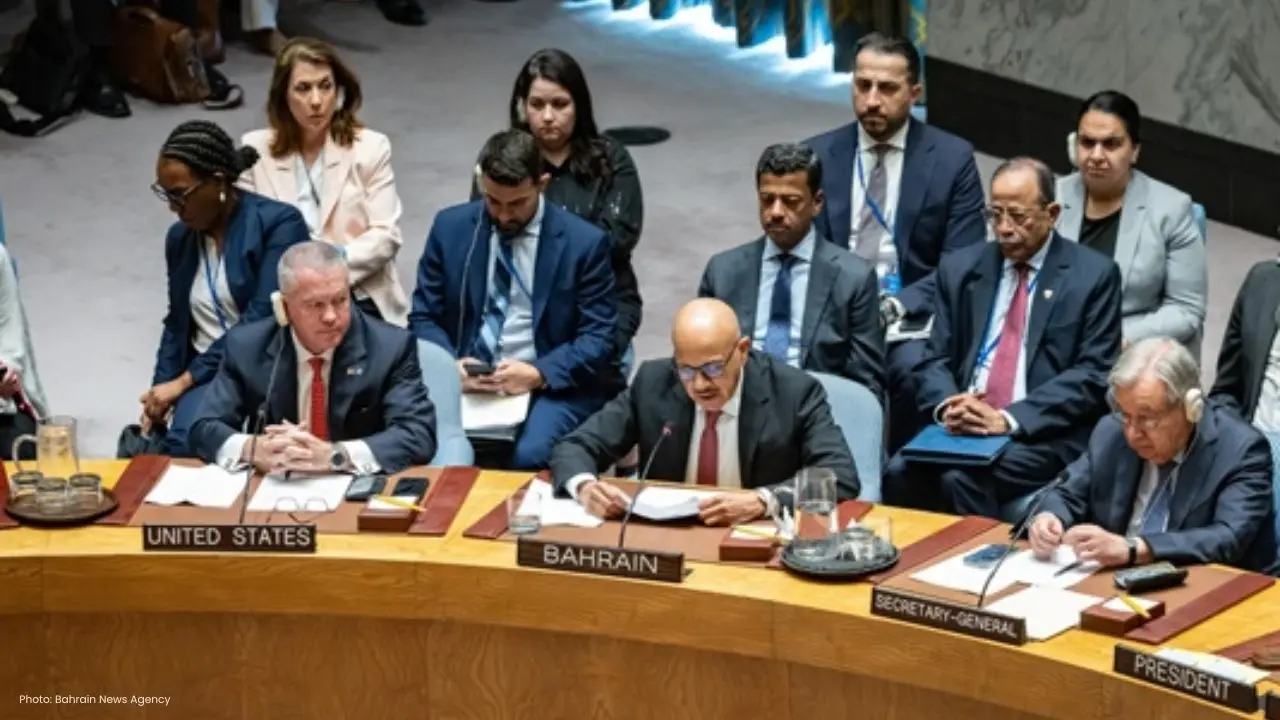
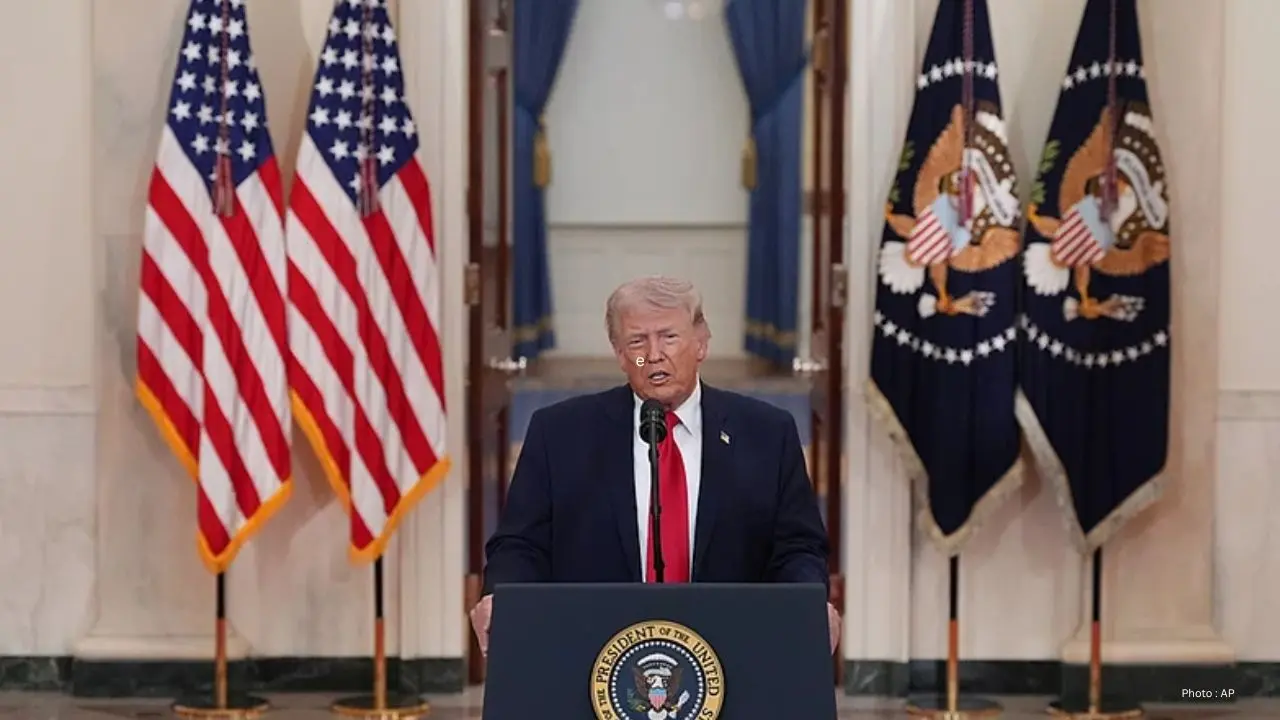
The latest developments come as Washington continues to push for a broader ceasefire agreement aimed at reducing violence and preventing a wider regional war. American officials have reportedly increased diplomatic contacts with Middle Eastern countries and international allies in an effort to stabilise the situation. However, divisions remain over how long the ceasefire can hold and whether military operations should continue.
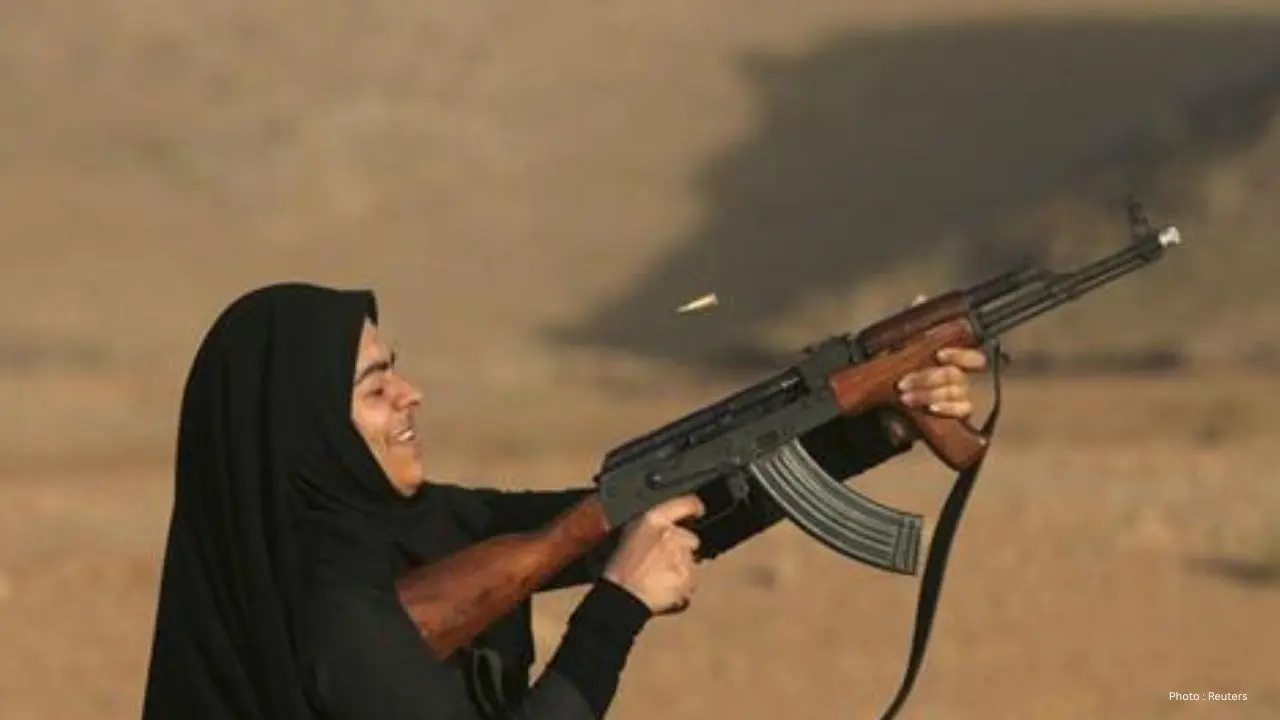
Israeli officials argue that ongoing security threats still require military preparedness and strong defensive action. Leaders in Israel say armed groups and regional rivals continue to pose dangers to the country’s security and that military pressure remains necessary to protect Israeli citizens. Government officials have also defended recent operations as part of Israel’s right to self-defence.
At the same time, international pressure on Israel has continued to increase. Several countries and humanitarian organisations have raised concerns over civilian casualties, destruction in conflict zones, and the growing humanitarian crisis linked to the fighting. Calls for restraint have become stronger in recent weeks as global leaders push for diplomatic solutions instead of prolonged military escalation.
Analysts believe Israel’s military and political choices are becoming more complicated because of growing dependence on international support, especially from the United States. Washington remains one of Israel’s closest allies, but American leaders are also facing pressure from international partners and domestic political groups demanding a stronger push for peace and humanitarian protection.
Experts say Israel may also face economic and strategic challenges if the conflict expands further. Prolonged military operations could increase defence costs, affect investor confidence, disrupt regional trade, and place additional pressure on Israel’s economy. Security experts have warned that a wider conflict could involve multiple regional actors, increasing instability across the Middle East.
The ceasefire discussions are also connected to broader negotiations involving regional security, hostage releases, humanitarian aid deliveries, and diplomatic arrangements for long-term stability. International mediators including Qatar, Egypt, and the United States have continued efforts to keep communication channels open between the parties involved in the conflict.
Political observers say Israeli leadership is balancing several competing pressures at the same time. On one side, hardline political groups inside the country are demanding stronger military responses. On the other side, international allies are encouraging restraint and negotiations to avoid a deeper regional crisis.
The situation remains highly uncertain, and diplomats warn that even small incidents could quickly increase tensions again. While ceasefire efforts continue, many experts believe the coming weeks will be critical in deciding whether the region moves toward wider conflict or renewed diplomatic negotiations.
The ongoing crisis has once again highlighted the fragile security situation in the Middle East and the difficulty of balancing military objectives with international diplomatic pressure. Global attention remains focused on how Israel, the United States, and regional powers respond in the next phase of the conflict.