Is Cash Losing Its Value in High-Inflation Economies?
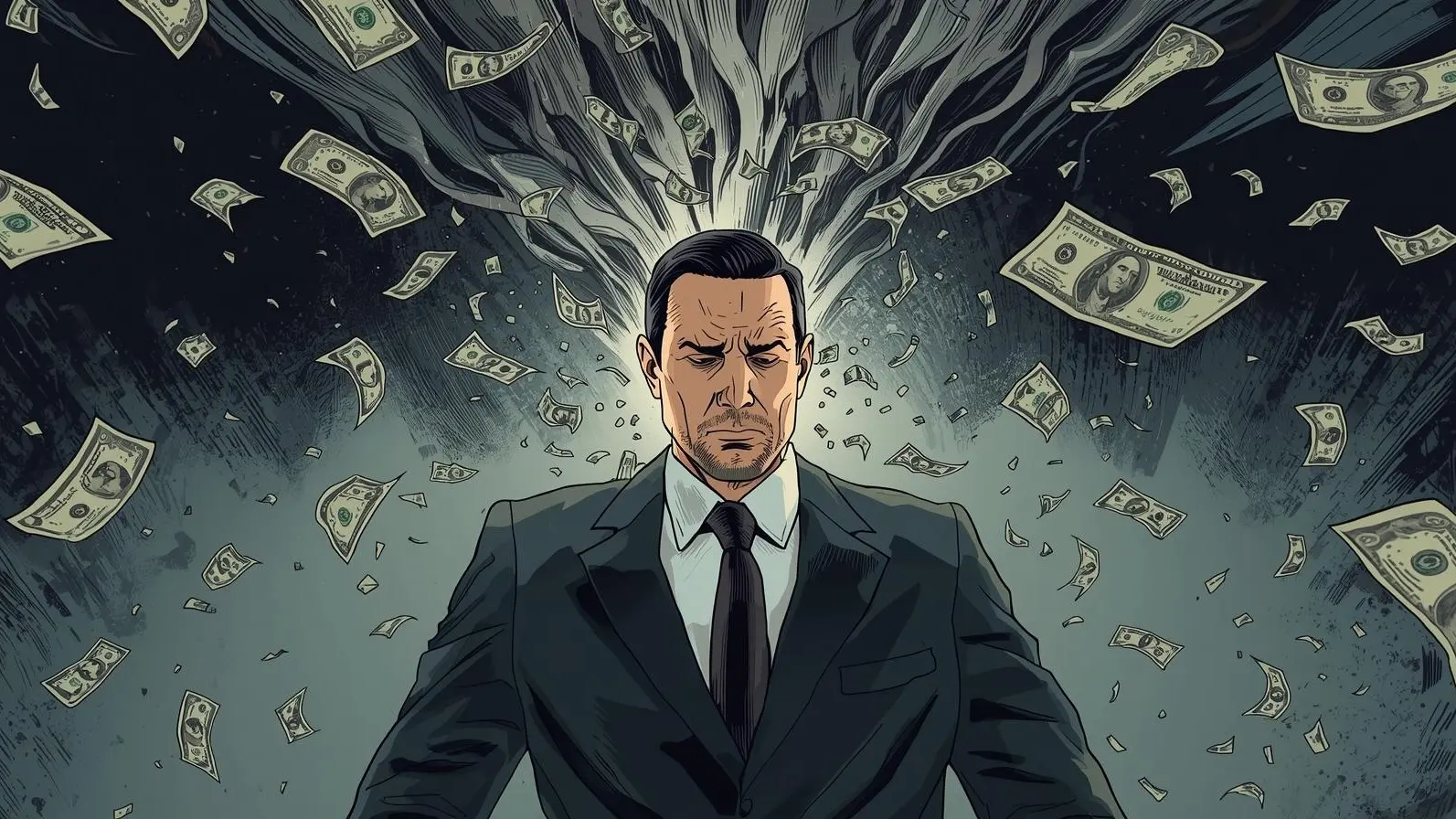
For years, cash was seen as a cornerstone of financial security. It symbolized safety, flexibility, and reassurance. However, in high-inflation environments, this notion is under intense scrutiny. With rising costs, diminishing purchasing power, and economic instability, individuals and businesses are left wondering: Is cash still a secure asset, or is it becoming less viable?
This article provides a clear overview of the impact of inflation on cash, the risks involved in holding excessive cash during inflationary periods, and strategies to better manage finances without taking on undue risks.
The Impact of Inflation on Cash
Inflation is often misconstrued. It doesn’t change the amount listed in your bank account; rather, it diminishes what that amount can purchase.
The Gradual Decline of Purchasing Power
When inflation outpaces interest earned on savings, cash steadily decreases in value. For instance:
-
If inflation is at 8% while savings earn only 3%, you're effectively losing 5% in real terms.
-
Basic necessities such as food, rent, and healthcare see the first price hikes.
-
Long-term objectives subtly grow more expensive.
Thus, cash transitions into a non-performing asset.
The Swift Impact of Inflation in Affected Countries
In nations experiencing high inflation, the consequences of holding cash become immediate and more pronounced.
Frequent Price Fluctuations
Basic commodities frequently undergo price changes—sometimes even weekly or monthly. Cash struggles to keep pace with these shifts.
Devaluation of Currency
Local currency often weakens against global currencies, which in turn hinders international purchasing power.
Stagnant Real Interest Rates
Banks typically do not provide interest rates that surpass inflation.
Income Growth Lagging
Wage increases usually trail inflation, further straining savings.
In such climates, retaining excessive cash can lead to a certain decline over time, rather than serving as a safety net.
Reasons Why Many Hold Cash Despite Risks
Even with the dangers of inflation, many individuals opt to keep most of their funds in cash.
Emotional Assurance
Cash appears stable, unlike volatile market assets.
Market Fear
Instability in the investment landscape often worries individuals more than gradual losses from inflation.
Lack of Financial Knowledge
Many remain unaware of how inflation gradually devalues money over time.
Need for Liquidity
Cash provides immediate access during emergencies.
While these reasons are valid emotionally, they can be financially detrimental if inflation remains elevated.
When Is Cash a Viable Asset?
Cash itself isn't inherently bad; the concern lies in the amount and the duration it is held.
When it’s Practical to Hold Cash
-
Emergency savings
-
Short-term financial obligations
-
Immediate operational expenses for businesses
-
Day-to-day liquidity needs
Cash should be viewed as a tool, not a long-term asset.
When Cash Becomes a Burden
-
Long-term savings held exclusively in cash
-
Excess cash without a defined purpose
-
Cash retained out of fear rather than strategy
In inflationary environments, holding cash for extended periods can lead to a planned decrease in value.
The Weakness of Cash in Inflated Economies
Negative Real Returns
Even if banks provide interest, it often cannot keep up with inflation rates.
Opportunity Costs
Funds sitting in cash lose out on potential growth opportunities and value preservation.
Psychological Traps
Maintaining a seemingly stable account balance creates a false sense of security while the actual value declines.
This process gradually diminishes financial freedom and purchasing power in the future.
Contrasting Cash with Inflation-Resistant Assets
Comprehending alternatives reveals why cash struggles during inflation.
Cash
Inflation-Linked Instruments
-
Structured to adjust according to inflation
-
Better at preserving purchasing power
-
Often necessitate longer holding periods
Physical Assets
-
Tend to appreciate during inflationary times
-
Less liquid compared to cash
-
Safeguard long-term value
Achieving balance is key, not outright replacement.
A Major Misstep During Inflation
The most frequent error is inaction.
People wait for inflation to normalize, interest rates to rise, or markets to stabilize, while purchasing power continues to erode.
Simply holding cash without a strategy is not a form of safety—it represents passive loss.
The Importance of Emergency Funds in Inflationary Contexts
Emergency funds remain essential, despite inflationary pressures.
Optimized Emergency Fund Strategy
-
Maintain 3–6 months worth of crucial expenses
-
Prioritize liquidity and security
-
Avoid long-term locking of emergency funds
-
Review fund size annually as expenses rise
Emergency cash should act as protection during crises, not idle cash.
The Impact of Excess Cash on Businesses
Firms in high-inflation environments experience intensified risks.
Business Challenges
-
Increasing operational costs
-
Declining value of cash reserves
-
Reduced purchasing power for inventory
-
Pressure on profit margins
Businesses retaining substantial idle cash reserves without strategic planning witness deterioration of working capital over time.
The Limits of Government and Bank Protection for Cash Holders
Many expect that inflation will be addressed by governmental or banking policies.
The Reality Check
-
Interest rates often do not keep pace with inflation
-
Policy modifications require time
-
Global dynamics affect local inflation rates
Relying solely on policy intervention poses risks for personal finances.
How Pragmatic Individuals Handle Cash During Inflationary Times
Financially savvy individuals do not reject cash—they redefine its role.
Cash as a Buffer, Not a Store of Value
Indicators of Excessive Cash Holdings
-
Savings increase at a slower rate than expenses
-
Avoidance of planning driven by fear
-
Large cash reserves without clear utilization
-
Long-term goals feeling increasingly unattainable
These signals are warnings, not assurances.
The Significance of Financial Awareness
Inflation rewards those who are aware and penalizes ignorance.
Individuals who grasp how money operates amid inflation:
-
Adapt more swiftly
-
Safeguard purchasing power
-
Experience reduced financial strain
-
Make well-informed decisions
Education serves as the first barrier against inflation.
Long-Term Effects of Holding Cash as “Safe”
Over extensive periods, maintaining too much cash may result in:
A Balanced Approach in High-Inflation Settings
The most effective strategy is not extreme.
Defining Balance
-
Adequate emergency cash reserves
-
Minimized idle cash
-
Every dollar should have a clear objective
-
Regular evaluation based on inflation trends
Striking balance ensures both safety and longevity.
Concluding Thoughts on Cash in Times of High Inflation
Cash is not reaching obsolescence—however, holding it without a clear strategy can be costly over time. In high-inflation environments, cash should be regarded as a short-term utility rather than a long-term store of value. Genuine financial security now hinges on understanding inflation, adapting financial behavior, and making informed choices—not on resisting change.
Merely holding cash without a plan is no longer a conservative measure; it’s a financial burden.
Disclaimer
This article serves educational and informational purposes and should not be viewed as financial, investment, or legal counsel. Financial choices should align with personal circumstances, inflation factors, regulations, and risk tolerances. Always consult a certified financial advisor for major financial decisions.