For half a century, Iran has experienced multiple protest waves that illustrate a profound and continuous battle between the regime and its populace. Though these demonstrations arise from diverse catalysts, they are united by a shared sense of public discontent regarding economic challenges, governmental constraints, and the curtailment of personal liberties.
The saga commenced in the late 1970s, culminating in mass protests that led to the overthrow of Shah Mohammad Reza Pahlavi. Students, laborers, and religious factions rallied for political liberation and an end to authoritarian governance. These events ushered in the 1979 Islamic Revolution, elevating Ayatollah Ruhollah Khomeini to power and transforming Iran into an oppressive religious entity. The ensuing years saw a halt in major protests due to executions, war with Iraq, and stringent security measures.
In 1999, turbulence re-emerged when university students took to the streets following the murders of writers and activists. A brutal raid on a Tehran student dormitory ignited broader protests. A harsh crackdown by security forces resulted in fatalities and mass detentions, revealing increasing youth frustration concerning their political and civil rights.
Fast forward to 2009, when one of the most significant protest movements arose post-presidential elections. Many citizens deemed the election results unjust, gathering en masse nationwide. Known as the Green Movement, this prolonged struggle faced violent suppression, leading to numerous deaths and arrests, fundamentally regarding public trust.
Economic hardships catalyzed protests in 2017 and 2018, as rising food costs and financial aid cuts mobilized crowds. The discontent morphed into a broader political statement. In 2019, protests erupted again over fuel price hikes, resulting in substantial violence and an internet blackout.
A pivotal moment occurred in 2022 when the death of 22-year-old Mahsa Amini sparked widespread protests, with women notably challenging stringent dress codes. A severe governmental response resulted in hundreds of fatalities and significant detentions. To this day, many women continue to challenge these oppressive mandates despite the risks.
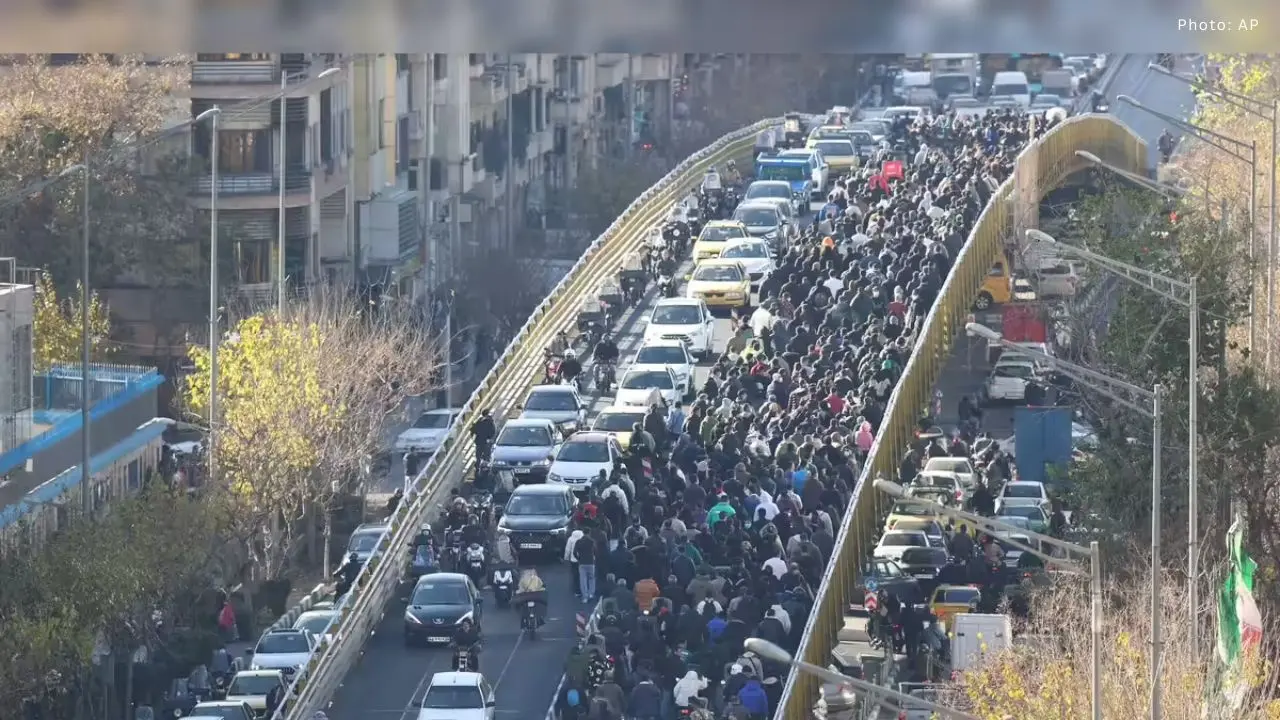
The most recent protests in 2025 and early 2026 arose from the sharp decline of Iran’s currency amidst heightened sanctions and regional conflict. As the rial plummeted, rising living expenses prompted further demonstrations, leading authorities to again curtail internet and communication access.
Collectively, these protests narrate a compelling narrative. While motivations have evolved, Iran's public frustration remains a constant. Each generation finds its voice, revealing that the divide between leadership and citizenry is as profound as ever. The last 50 years indicate that without substantial reform, civil unrest is likely to persist in various manifestations.