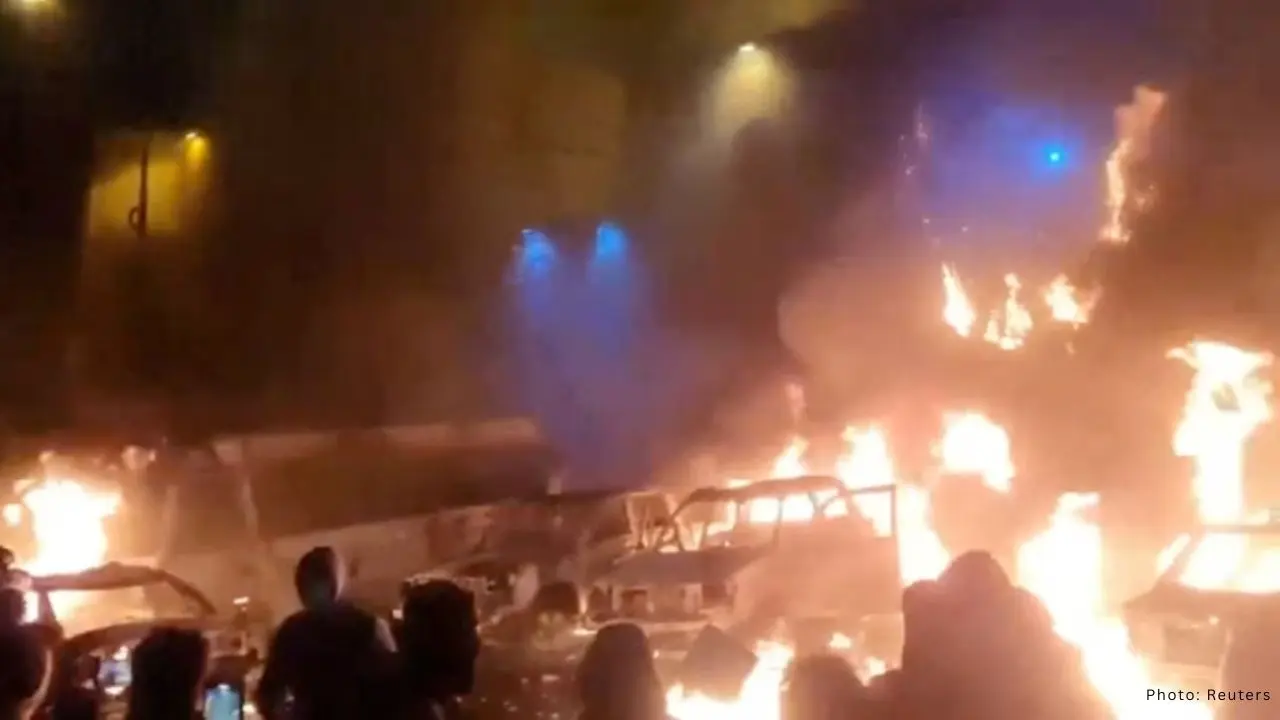
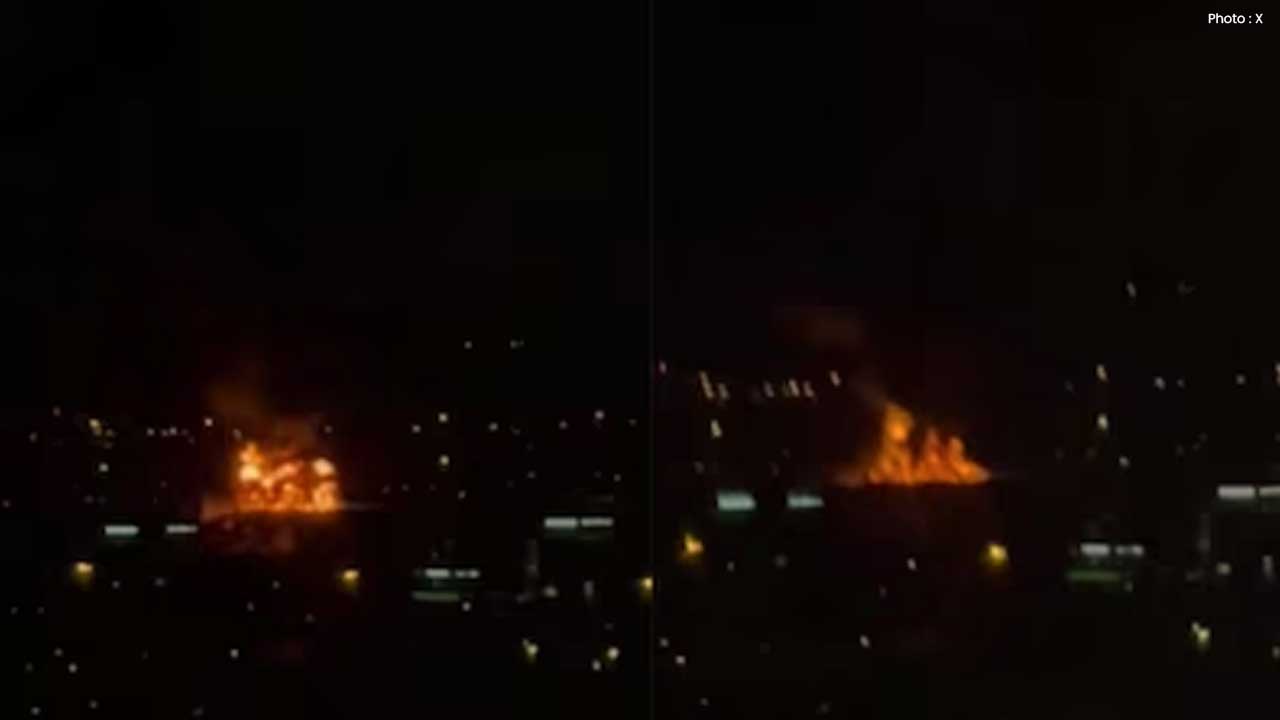
Iran is grappling with an escalating crisis as protests erupt across the nation, highlighting the populace's mounting dissatisfaction. What began in Tehran last month has now captivated all 31 provinces. This wave of unrest diverges from the women-led protests of 2022-23, now primarily driven by young male demonstrators questioning the government's priorities.
The demonstrations commenced in Tehran's Grand Bazaar, sparked by shopkeepers' outrage over the nation’s plunging rial currency. Young Iranians express frustration with the government's emphasis on nuclear aspirations and military ventures abroad, voicing slogans like “Not Gaza, not Lebanon, my life for Iran,” signaling a desire for national stability over foreign engagements.
Reports from human rights organizations indicate that at least 34 protesters and four security officers have died, with over 2,200 arrests made during the turmoil. The government’s response mixes limited discussions with violent crackdowns, yet analysts suggest that this strategy may be becoming outdated.
The protests illuminate a significant generational rift. Nearly half of Iran's populace is under 30, many of whom feel disconnected from the revolutionary principles that initially defined the Islamic Republic. Traditional regulations, including hijab enforcement, are increasingly met with defiance.
As global attention grows, U.S. officials and foreign leaders have begun voicing support for the demonstrators. Conversely, Supreme Leader Ayatollah Ali Khamenei remains steadfast, confronting the most formidable challenge of his extensive rule. Analysts caution that the unrest is likely to intensify, with no straightforward resolution in sight.
The ongoing turmoil illustrates that Iran's leadership contends not only with economic woes and political disputes but also a legitimacy crisis that could influence the nation’s trajectory for years ahead.