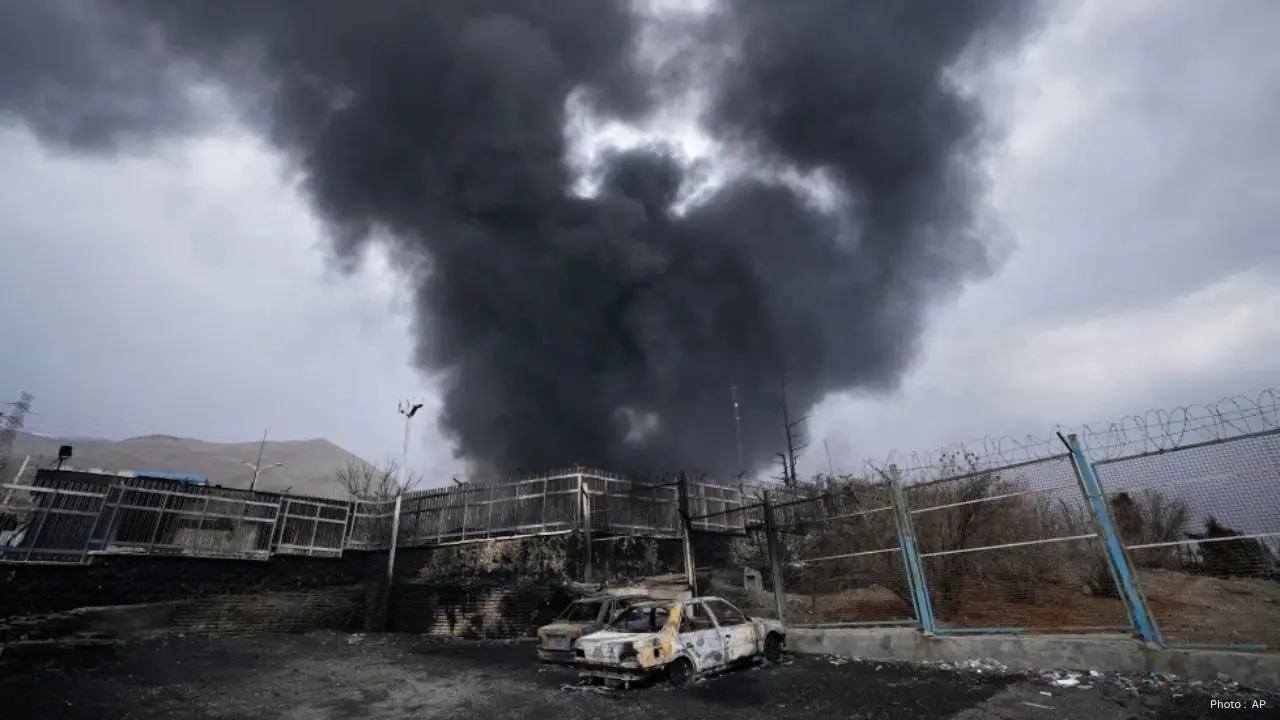
Despite rising hopes for a ceasefire in the U.S.-Iran conflict, Iran’s currency, the rial, continues to face significant pressure. This scenario underscores that political developments may initially ease tensions, yet the longstanding economic challenges take time to rectify.
Conflicts typically lead to economic downturns. Slowing trade, reduced investments, and pervasive uncertainty directly affect Iran’s currency value. A weakening currency results in higher living costs and diminished purchasing power for the populace.
Ceasefire discussions often ignite hope for improved circumstances, with expectations that diminished hostilities might lead to enhanced trade and market stability. Nevertheless, Iran's currency turmoil indicates that recovery is not instantaneous.
Long-standing economic pressures contribute notably to this ongoing decline. Sanctions, diminished accessibility to global markets, and internal issues have been relentlessly undermining the economy. Even with potential de-escalation, these challenges persist and continue to impact the financial landscape.
Inflation remains a critical issue. As the rial depreciates, the costs of imports soar, leading to higher prices on everyday essentials, which burden common citizens. Thus, managing inflation becomes a significant governing challenge.
The example illustrates how markets respond to uncertainty. Despite ceasefire discussions, skepticism about the longevity of peace remains. Investors often prefer to wait for assured stability before making substantial commitments, prolonging the currency's vulnerabilities.
Simultaneously, global factors influence Iran's economy. Fluctuations in oil prices, trade dependencies, and regional steadiness all play a role in determining the rial's performance.
For many Iranians, the consequences are immediate and tangible. A floundering currency diminishes savings and escalates the cost of living, fostering anxieties about future prospects. Thus, economic stability must parallel political stability.
The government may undertake measures to bolster the currency, such as regulating exchange rates or modifying economic strategies. However, these actions usually provide mere temporary reprieve unless fundamental issues are duly addressed.
This current scenario illustrates that peace alone isn’t a panacea. While a ceasefire can alleviate conflict, comprehensive economic recovery demands time, deliberate policies, and robust planning, alongside confidence from local citizens and international observers alike.
Iran’s situation conveys a wider lesson: economic resurgence in the aftermath of conflict is invariably a gradual process. Stability must be cultivated methodically, intertwining both political and economic resolutions.
As developments unfold, scrutiny will continue on how Iran navigates its economic challenges and whether improved political conditions can yield sustainable financial stability.