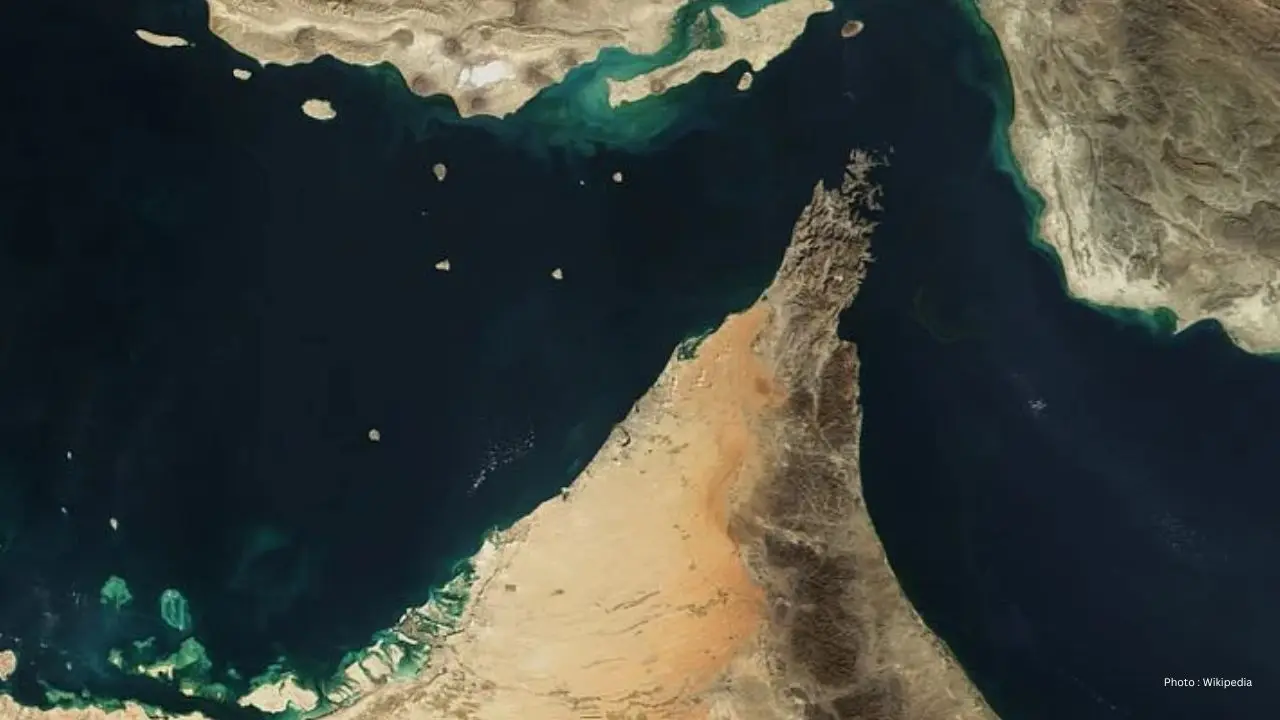
Iran has refused to reopen the strategically vital Strait of Hormuz, even as a fragile ceasefire with the United States continues. The move comes amid an ongoing U.S. naval blockade, further escalating tensions in the Gulf region and raising concerns about global energy supplies.
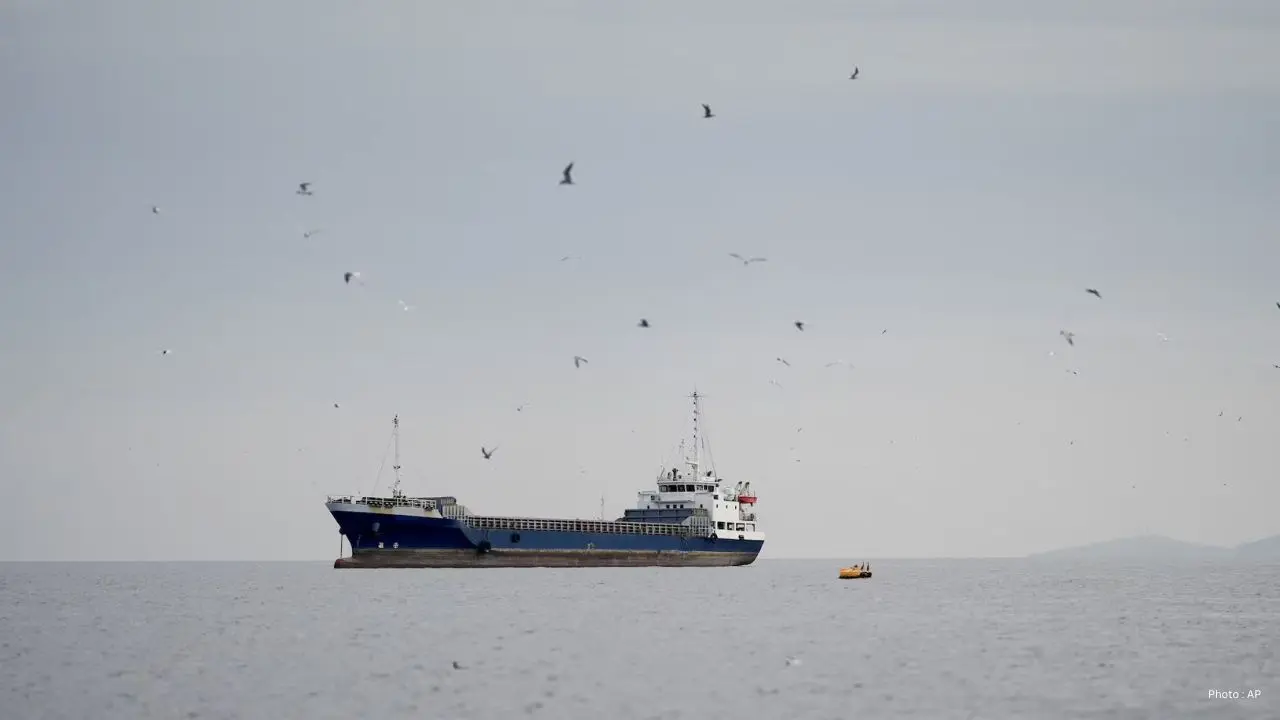
Tehran announced that it had seized two vessels attempting to pass through the narrow waterway, calling the U.S. blockade a direct violation of the ceasefire agreement. The Islamic Revolutionary Guard Corps said its naval units intercepted and redirected the ships, reinforcing Iran’s stance that no passage would be allowed without its approval.
Meanwhile, the US Central Command confirmed that it had instructed dozens of vessels to turn back or return to port as part of its enforcement actions. The United States has maintained that these measures are intended to increase pressure on Iran without escalating into full-scale war.
The standoff has had an immediate impact on global markets. Oil prices surged sharply amid fears of supply disruption, with both major benchmarks rising before easing slightly. The Strait of Hormuz is one of the world’s most critical shipping routes, handling nearly one-fifth of global oil trade, making any disruption a major concern for the global economy.
Donald Trump has extended the current ceasefire to allow more time for diplomacy, particularly talks being mediated by Pakistan. However, Iran has not confirmed its participation in upcoming negotiations, adding to the uncertainty surrounding the situation.
Iranian officials have strongly criticized the U.S. approach, arguing that a ceasefire cannot be meaningful if accompanied by military pressure. Parliamentary leaders in Tehran have stated that reopening the strait is not possible while what they describe as violations continue.
The crisis has also raised maritime security concerns. Reports from international monitoring agencies indicate that some vessels in the region have faced warnings or even limited attacks, although no casualties have been reported so far. Countries linked to affected ships have expressed concern, calling the situation an escalation.
Despite the ceasefire technically remaining in place, both sides continue to accuse each other of breaching its terms. The United States has also intercepted vessels suspected of links to Iranian operations, while Iran insists on stricter control over access to the Gulf.
Overall, the situation remains highly volatile. With the Strait of Hormuz still closed and military activity continuing, the risk of further escalation remains significant. The coming days will be crucial in determining whether diplomatic efforts can ease tensions or if the conflict moves toward a more serious confrontation.