Iran is currently experiencing a tentative calm following a series of nationwide protests that faced a brutal response from authorities. Recent days have shown no clear indicators of further demonstrations, although a prominent hard-line cleric has publicly demanded the execution of detained protesters while threatening US President Donald Trump.
The protests began on December 28 in reaction to the deteriorating economy, quickly escalating into a broader challenge against the ruling theocracy. Security forces employed lethal force, resulting in thousands of deaths, according to human rights organizations, alongside numerous arrests. The extent of the violence has raised alarms both within Iran and globally.
In Tehran, daily life appears to be returning to normal. Shops have reopened, traffic is flowing, and pedestrians are active again in the streets. Nevertheless, a nationwide internet blackout persists, hindering communication and complicating efforts to ascertain the situation across Iran. Authorities have not recognized any new unrest elsewhere in the nation.
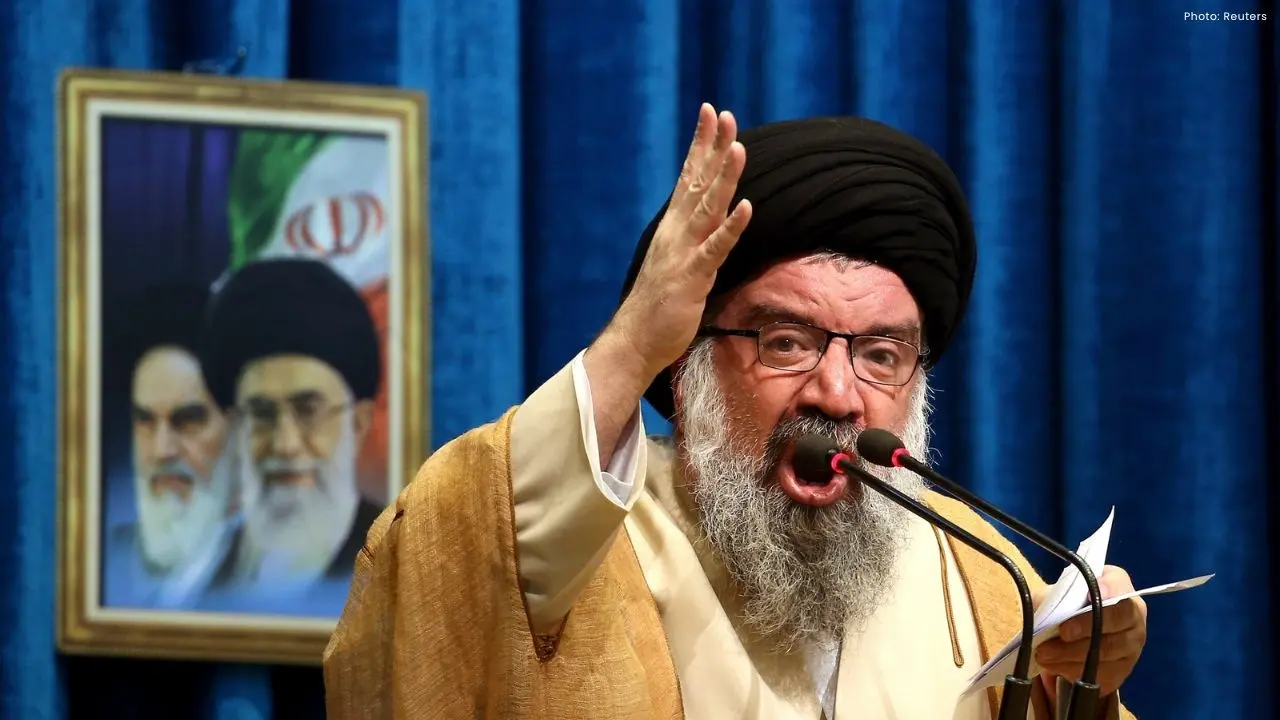
On Friday, during prayers in Tehran, Ayatollah Ahmad Khatami, a senior cleric recognized for his hard-line stances, delivered a passionate sermon. He issued calls for death penalties against protesters who had been arrested, labeling them as enemies of the state and alleging that they were colluding with foreign interests.
Khatami leveled direct threats at the US and Israel, specifically naming President Trump and Israeli Prime Minister Netanyahu. He warned them to anticipate "harsh retaliation" from Iran and mentioned that peace should not be expected. His sermon incited loud chanting from the congregation, underscoring the anger prevalent among hard-line government supporters.
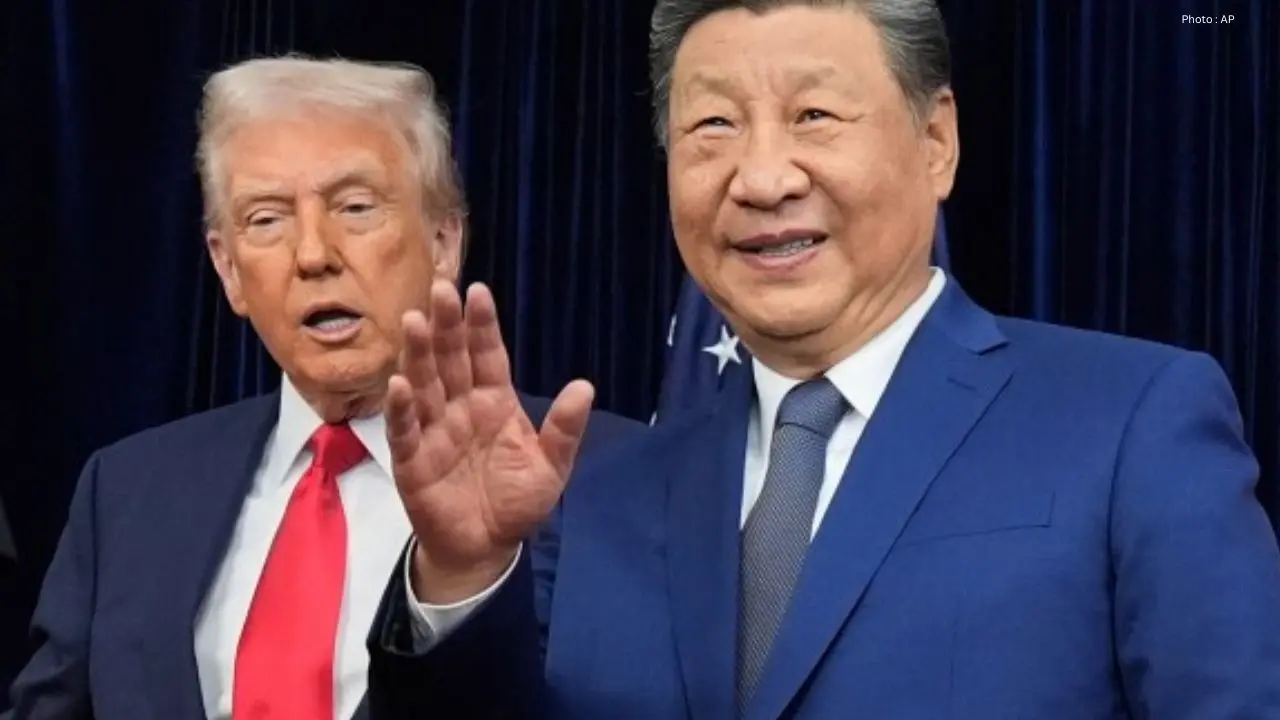
Conversely, President Trump seemed to soften his rhetoric. Speaking in Washington, he expressed appreciation that Iran had refrained from executing numerous detained protesters. Trump had previously positioned the execution of peaceful protesters as a potential trigger for US military intervention.
Trump’s remarks did not clarify how he verified the status of planned executions or whom he consulted within Iran. His statements suggest that the immediate risk of US military action may have diminished, for the time being.
Human rights advocates emphasize that the toll from the crackdown has been dire. The Human Rights Activists News Agency, based in the US, reported at least 3,090 fatalities since the protests started, marking one of the deadliest unrest periods in Iran in decades, comparable to the violence of the 1979 Islamic Revolution. The Iranian government has not disclosed official casualty counts, and the figures remain unverified.
Ayatollah Khatami also detailed the destruction stemming from the protests, asserting that hundreds of mosques, prayer halls, hospitals, ambulances, fire engines, and emergency response units were damaged. He mentioned attacks on residences belonging to Friday prayer leaders, highlighting the significant resentment directed at the ruling system.
Amid the calm within Iran, tensions continue to brew beyond its borders. Russian President Vladimir Putin engaged with both Iranian President Masoud Pezeshkian and Israeli Prime Minister Netanyahu to alleviate tensions. Additionally, several Middle Eastern nations reportedly cautioned the US that military action against Iran could jeopardize the global economy and destabilize an already precarious region.
Crown Prince Reza Pahlavi, an exiled opposition leader, urged protesters not to lose hope. Speaking in Washington, he encouraged Iranians to persist in their fight and expressed belief that Trump would honor his commitment to assist. Pahlavi declared his intention to return to Iran and called for renewed demonstrations, despite his limited sway inside the country.
Outside Iran, thousands of exiled Iranians and their supporters have staged protests in European cities, voicing their discontent with the Iranian regime and standing in solidarity with those protesting at home.
With ongoing internet restrictions, some Iranians have crossed into neighboring countries to communicate with the outside world. Travelers at the Turkish border reported hearing heavy gunfire during the unrest, describing a climate of fear and uncertainty.
For now, Iran remains tense yet quiet. The lack of protests does not indicate the absence of anger. Instead, it suggests that fear, repression, and isolation have momentarily muted public dissent, while deep-seated political and economic issues continue to fester beneath the surface.