Iran is continuing its high-risk strategy in the growing Strait of Hormuz standoff with the United States, believing that President Donald Trump may eventually back down under political and economic pressure. However, political analysts and security experts warn that Tehran’s aggressive approach could also trigger a new military escalation and deepen instability across the Middle East.
The Strait of Hormuz remains one of the world’s most important oil shipping routes, carrying a large share of global energy supplies every day. In recent months, tensions in the region have sharply increased after clashes involving Iran, the United States and Israel led to military strikes, naval blockades and threats against commercial shipping. Iran has tried to tighten its influence over the strategic waterway, while Washington has responded with military pressure and economic restrictions.
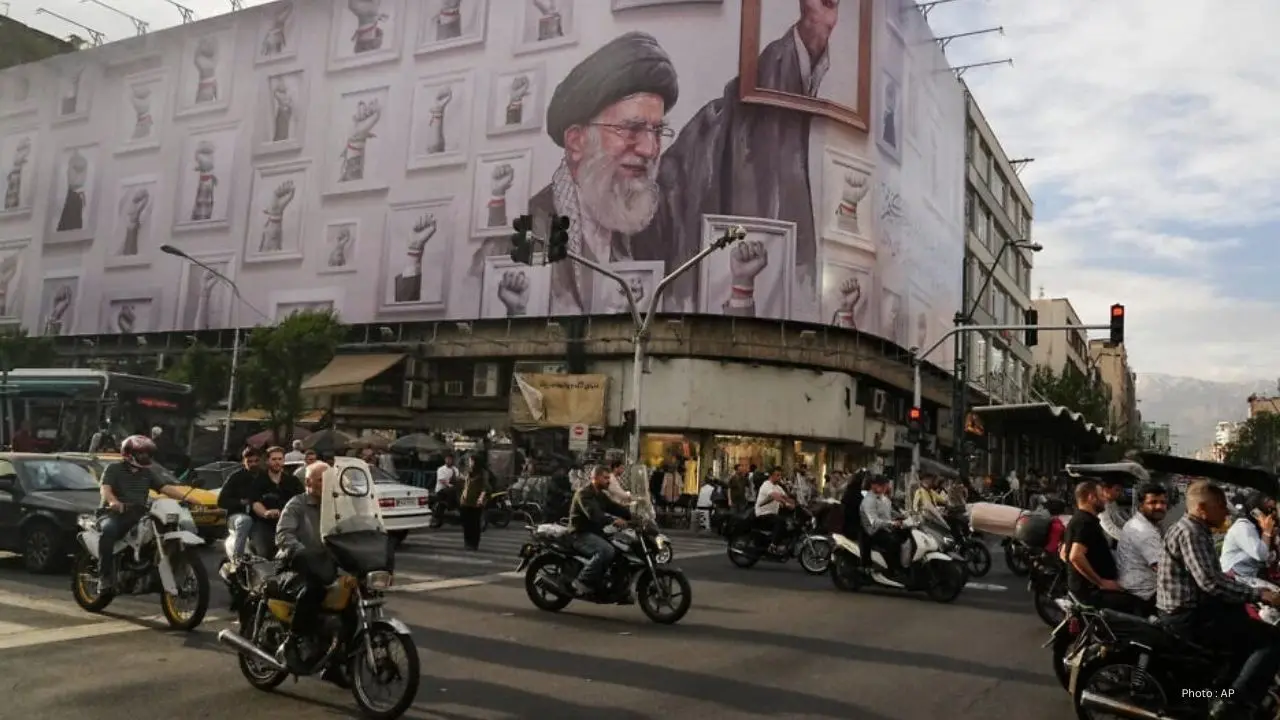
According to recent international reports, Iran’s leadership believes it can survive longer than the Trump administration in the current confrontation. Analysts say Tehran sees the negotiations and military pressure as an “existential” battle and is prepared to face economic pain if it means protecting its regional power and political system. Iranian officials reportedly believe Trump is also under domestic political pressure ahead of US elections and may not want another long military conflict in the Middle East.
Despite this confidence, experts warn that Iran’s strategy carries serious risks. The country’s economy is already suffering under sanctions, trade disruptions and reduced oil exports. Reports suggest the US-led naval blockade and restrictions around Hormuz are costing Iran hundreds of millions of dollars every day. Inflation, unemployment and public frustration inside Iran have also reportedly increased during the crisis.
The standoff has also created major concerns for global energy markets. Several oil tankers and cargo ships have faced delays or security threats while passing through the Strait of Hormuz. Some reports suggest Iran has attempted to control which ships can safely travel through the area, raising fears among Gulf nations and international shipping companies. Oil prices have remained unstable as investors continue watching developments closely.
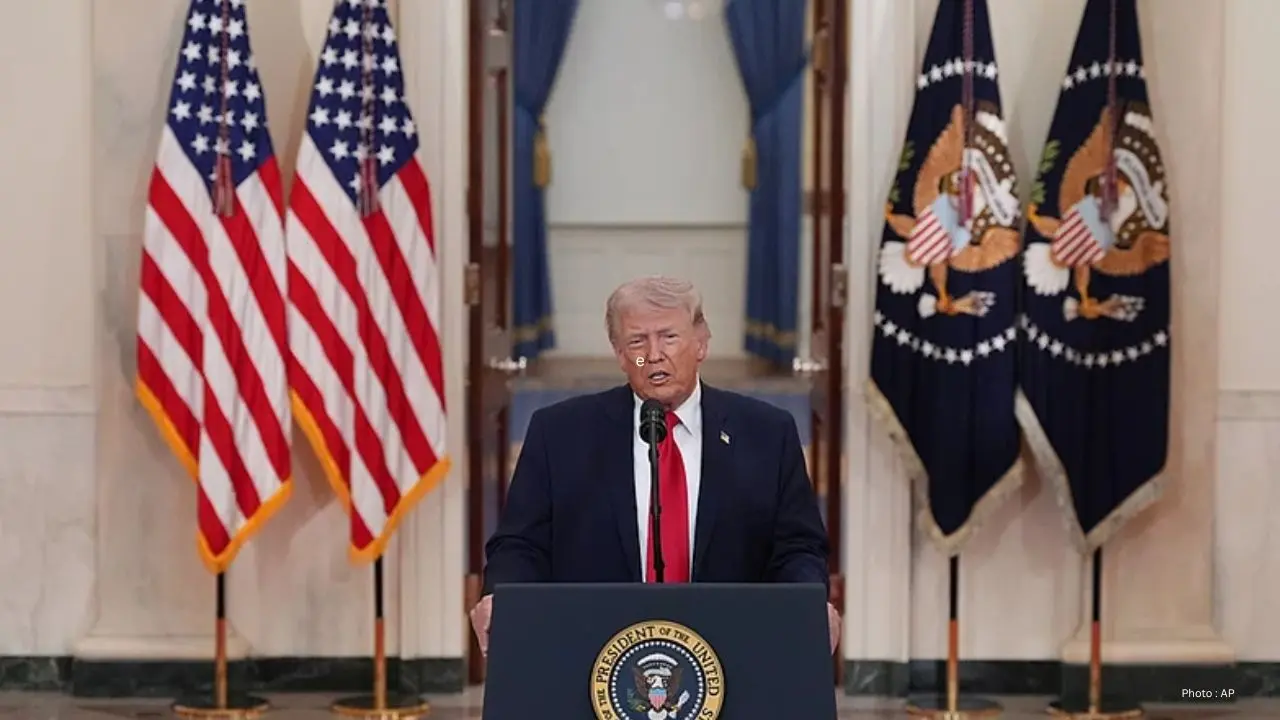
President Trump has repeatedly warned Iran against attacking American ships or military forces in the region. In recent statements, he claimed the US military has overwhelming power and threatened severe retaliation if Iran escalates the conflict further. At the same time, Washington continues pushing for negotiations that could reopen safer shipping routes and reduce regional tensions.
Iranian officials, however, have publicly rejected many of Trump’s claims and have used both diplomatic statements and social media campaigns to challenge US messaging. Iranian leaders insist that decisions about the Strait of Hormuz will be made “on the field” and not through political statements online.
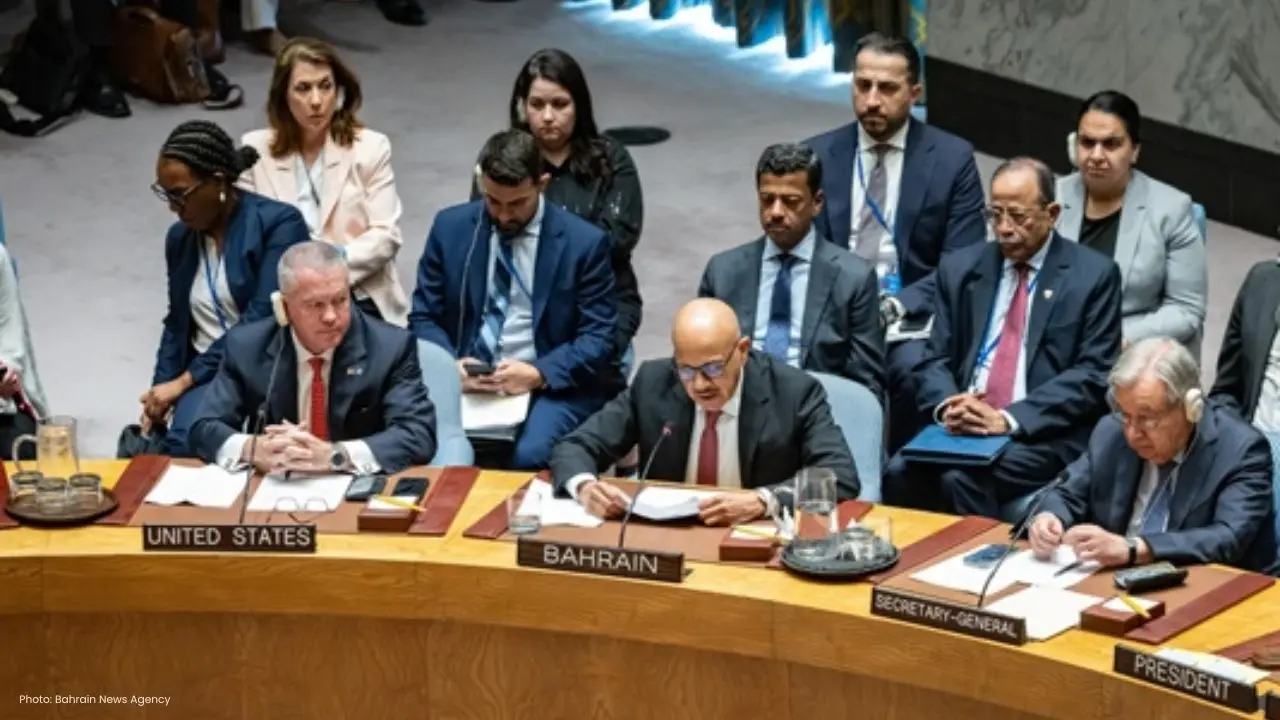
International governments are now watching the situation carefully because a prolonged crisis in the Strait of Hormuz could impact oil supplies, global shipping and economic stability worldwide. European and Gulf countries have called for diplomatic solutions, warning that another major conflict in the region would create serious consequences for international trade and security.