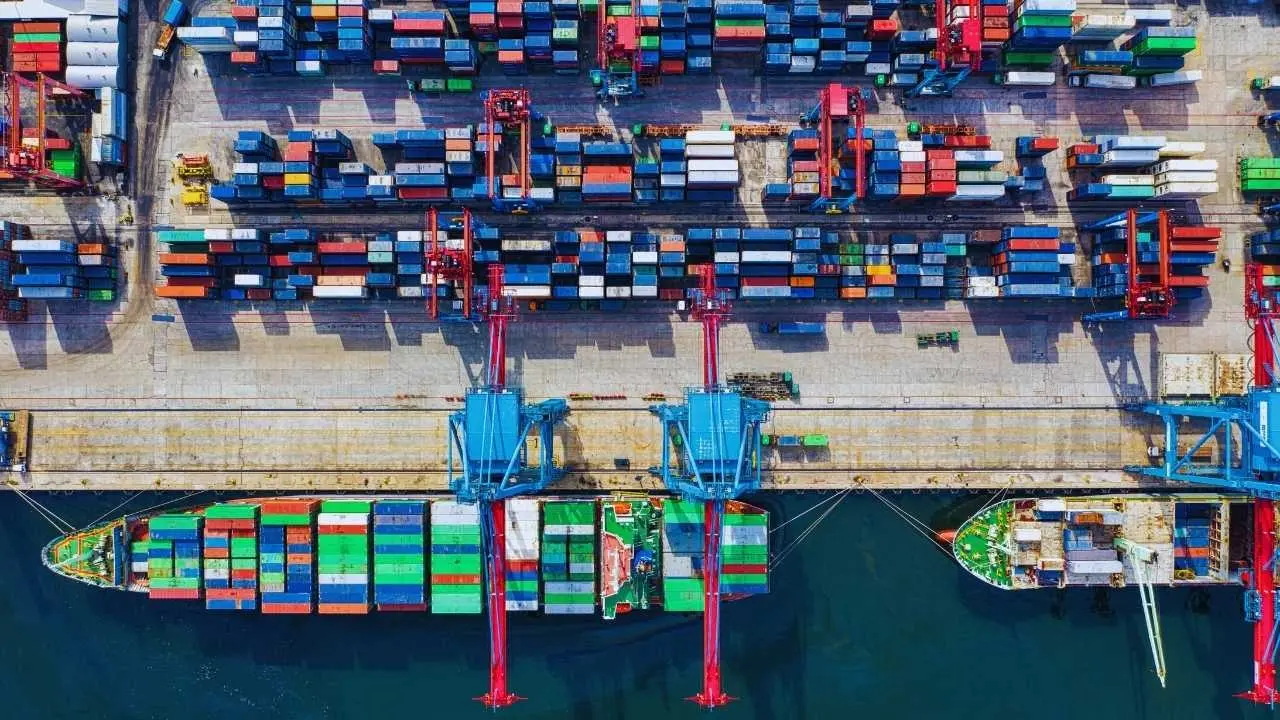
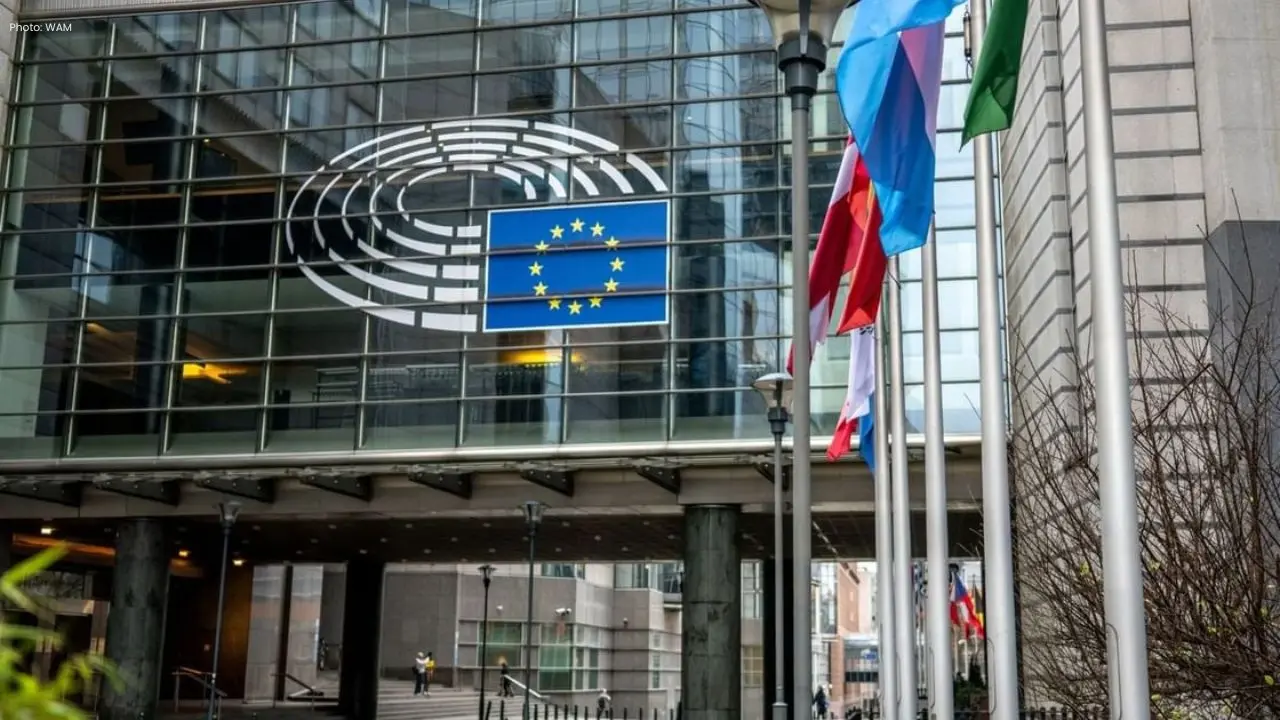
Why This Trade Agreement Is Considered Transformative
Trade has historically been influenced by geography, power, and economics. Recent global disruptions — from pandemics to geopolitical tensions — have exposed vulnerabilities in established trade pathways. The newly finalized international pact aims to recalibrate transnational connectivity, marking a strategic shift rather than just a commercial arrangement.
Diverging from traditional trade agreements that mainly focus on tariffs, this new deal emphasizes the integration of logistics, alternative corridors, and the digital facilitation of trade alongside long-term infrastructure planning. It encompasses regions managing a large portion of global manufacturing and energy distribution.
The Situation: Pressures on Global Trade Routes
Challenging Supply Chains
Global supply chains have encountered persistent disruptions in recent years due to factory shutdowns, container shortages, and escalating geopolitical conflicts, making reliability more crucial than ever.
Logistics in a Changing Geopolitical Landscape
Political conflicts have compelled businesses to rethink established routes, as certain chokepoints have become more sensitive and risky for traders.
Environmental Factors at Play
The influence of climate change is prompting a reassessment of shipping patterns. There is heightened scrutiny on routes susceptible to climate disruptions, with an increasing focus on sustainable logistics alternatives.
Proposed Framework of the Agreement
A Holistic Trade Network
The agreement advocates for a comprehensive network that combines maritime, rail, road, and digital transport routes, thereby minimizing reliance on any single path.
Unifying Trade and Customs Practices
A major highlight is the consolidation of customs documentation and logistics standards, which could lead to significant reductions in transit times and costs.
Commitments to Infrastructure Development
Participating nations are pledging mutual investments in ports, railways, and logistics zones to ensure smooth cross-border operations.
Reimagining Global Trade Geography
Moving Beyond Traditional Maritime Routes
Historically reliant on just a few sea routes, the agreement opens pathways that lessen congestion and limit geopolitical exposure.
Landlocked Nations’ New Role
Countries once marginalized due to their location now stand to become essential transit hubs, benefitting from developments in logistics and warehousing.
Emergence of New Trade Corridors
The deal effectively reconfigures economic landscapes by forging direct links between production sites and consumer markets.
Geopolitical Consequences of the Trade Agreement
A Counterbalance to Existing Trade Alliances
The agreement holds not only economic importance but also geopolitical significance, providing an alternative framework for nations to collaborate without dependence on a single superpower.
Using Trade as Diplomatic Leverage
This economic partnership fosters stronger diplomatic relations, reducing the risk of disruptive trade practices.
Heightened Competition for Influence
Global powers are closely monitoring this agreement, cognizant that control over trade routes often translates into sustained political power.
Impacts on Global Supply Chains
Emphasizing Resilience
By prioritizing resilience, the agreement enables firms to adapt logistics swiftly during crises, moving away from conventional just-in-time models.
Quicker Transit for Essential Commodities
The deal is expected to accelerate delivery timelines for vital goods including food and energy by streamlining customs and reducing congestion.
Advancing Regional Manufacturing
An easier cross-border trading environment may encourage the establishment of regional manufacturing facilities rather than concentrating operations in a single location.
Who Will Benefit in the New Trade Framework?
Strategically Located Nations Will Prosper
Countries along the newly established corridors are poised to attract investments, create jobs, and boost export capabilities.
Filling the Gap for Traditional Trade Hubs
Ports and routes that have historically dominated trade may encounter dwindling traffic unless they adapt accordingly.
Small Economies Empowered
Being part of a comprehensive, rules-based framework enhances the negotiating power of smaller nations in international trade discussions.
Economic Gains Frolicking from the Agreement
Long-Term Reduction in Logistics Costs
Although the initial costs may be high, integrated trade corridors are anticipated to lower transportation expenses over time.
Growth in Trade Volumes
Easier processes and expedited goods movement could vastly increase trade volumes among participating countries.
Encouragement for Long-Term Investments
Greater infrastructure reliability will attract institutional investors interested in funding logistics and industrial ventures.
Challenges and Risks with the Agreement
Potential Implementation Delays
Large-scale agreements often encounter setbacks due to political shifts, funding issues, or bureaucratic hurdles.
Disparities in Benefits Among Participants
Not all countries may experience equal advantages, which could lead to tensions within the alliance.
Concerns Over Security and Data
Integrated digital systems pose challenges, raising concerns about data privacy, cybersecurity, and safeguarding infrastructure.
Sustainability and Environmental Concerns
Striving for Eco-Friendly Trade Routes
The agreement includes measures to decrease emissions through efficient logistics strategies and clean energy integration.
Balancing Development with Environmental Stewards
As infrastructure expands, environmental considerations must be woven into development plans, especially in ecologically sensitive areas.
Creating Climate-Proof Trade Corridors
The design of new corridors will prioritize resilience against climate challenges to ensure future viability.
Implications for Businesses and Consumers
Stability in Prices
Fewer disruptions are likely to stabilize the prices of imported goods, yielding benefits for consumers worldwide.
Increased Market Opportunities
Small and medium enterprises will gain enhanced access to international markets thanks to streamlined trade protocols.
Boosting Supply Chain Transparency
Digitization will enhance traceability, reliability, and regulatory compliance across borders.
Significance Beyond Trade
A Model for Future Collaboration
This agreement signifies a transition from fragmented trade deals toward cohesive frameworks for international connectivity.
Prioritizing Economic Security
By diversifying trade routes and partnerships, nations can mitigate external vulnerabilities.
A Reflection of Changing Global Dynamics
The restructuring of trade routes often mirrors global power dynamics. Redefining these routes illustrates wider shifts in worldwide influence.
Future Prospects: Will the Agreement Succeed?
Execution Will Dictate Outcomes
The real impact will depend on how efficiently nations implement their commitments.
Role of Private Sector Participation
Businesses need to align their logistics and investment strategies with the new framework for success.
Flexibility and Longevity
The ongoing relevance of the agreement will depend on its ability to adapt to changing technological, environmental, and geopolitical landscapes.
Final Reflections
This international accord poised to transform global trade is not merely about efficient goods movement. It signals a broader evolution in how nations perceive economic security and collaboration amidst growing uncertainty. By redefining connectivity, the pact could reshape international commerce for decades, altering the landscape of alliances and the very geography of global trade.
Whether this initiative marks a monumental achievement or a missed opportunity hinges on political commitment, execution, and an understanding of trade as a collaborative framework rather than a competitive zero-sum scenario.
Disclaimer:
This article is for informational and analytical purposes only. It does not offer trade, investment, or policy recommendations. Readers should consult official sources and experts before making decisions.