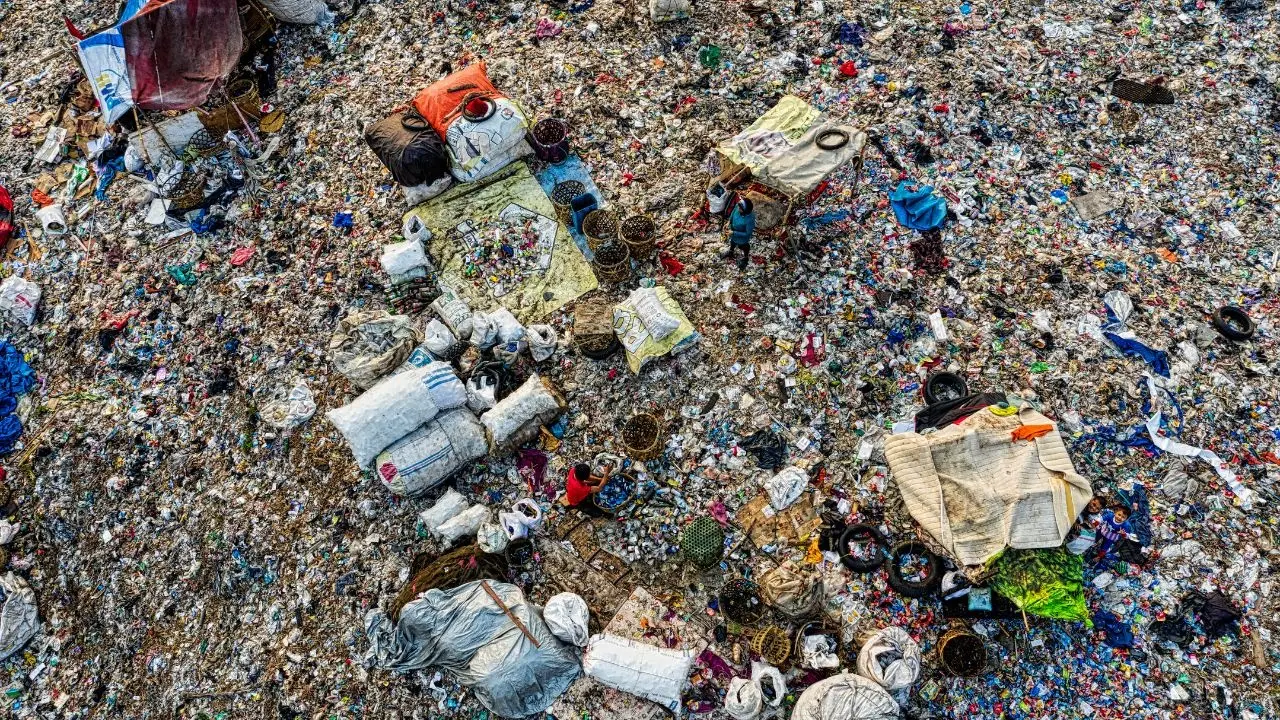
Indonesia is currently confronting a significant waste management crisis as landfill facilities reach alarming thresholds. The issue deepened after a tragic landslide at the Bantar Gebang landfill resulted in fatalities and a temporary closure of the site. Consequently, waste has rapidly accumulated throughout Jakarta, depositing thousands of tonnes in public spaces and igniting health alarms.
For years, the nation has depended on landfills like Bantar Gebang, which has accumulated over 80 million tonnes of waste—far surpassing its designated capacity. These enormous “trash mountains” emphasize the persistent inadequacies of centralized waste management systems. Authorities caution that immediate actions are necessary, as many landfills could hit full capacity within a few years.
In reaction to these challenges, the government has initiated extensive waste-to-energy projects in various cities. However, these programs have garnered criticism over environmental issues, including air quality deterioration and inefficient waste sorting. Residents near these plants have voiced concerns about unpleasant smells and worsening air conditions, prompting discussions on their sustainability.
Notwithstanding these hurdles, various grassroots efforts are paving the way for hope. Local communities in isolated islands and rural areas have successfully minimized waste through initiatives focused on sorting, recycling, and composting. These approaches showcase that sustainable waste management can be realized through active public engagement, increased awareness, and decentralized practices. Experts assert that waste reduction at the source is crucial for Indonesia’s ecological legacy.