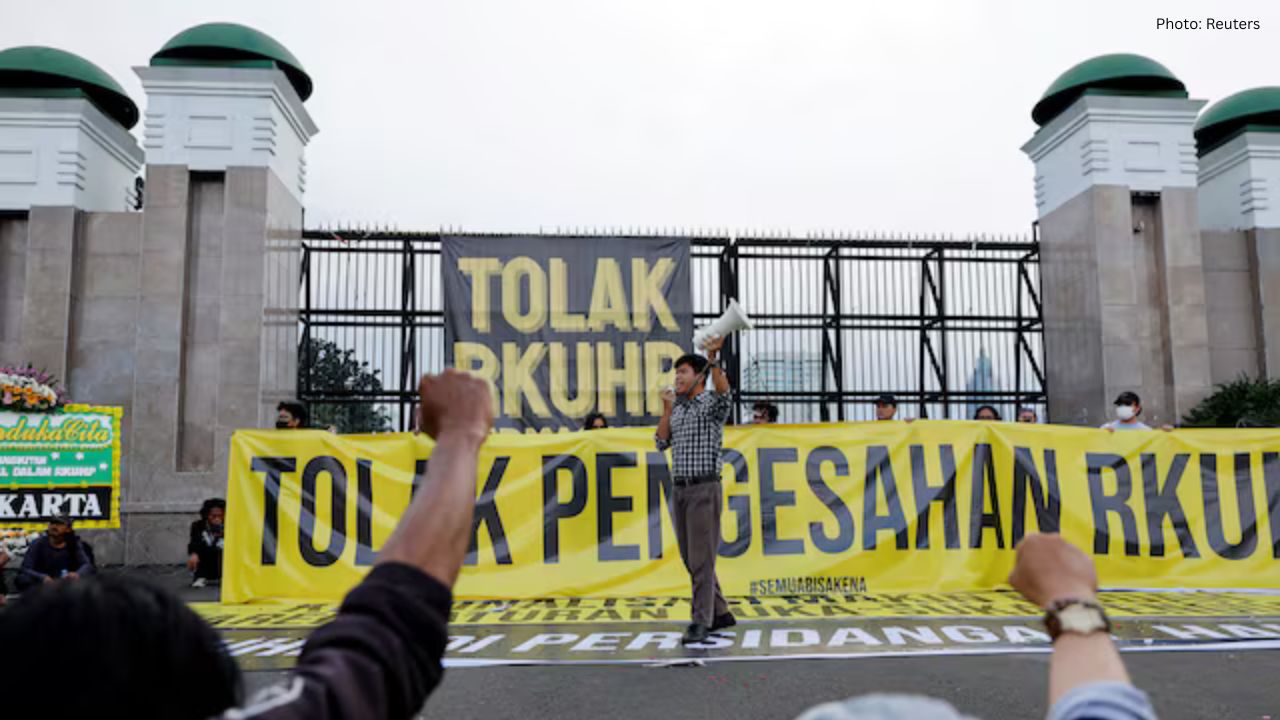
Starting January 2, Indonesia will implement a significant overhaul of its criminal code, replacing outdated laws rooted in Dutch colonial governance. The government claims this change embodies contemporary Indonesian values; however, critics are apprehensive about potential threats to civil liberties. The law minister emphasizes the critical role of public oversight to mitigate any potential abuse.
Approved by parliament in 2022, the revised code spans over 300 pages and introduces new offenses, including extramarital sex and insulting the president or state entities. Proponents argue that this development fosters a uniquely Indonesian legal framework, while detractors are concerned that its broad language could be misused to stifle dissent.
Law Minister Supratman Andi Agtas acknowledged the necessary shifts but expressed concerns over inherent risks. He pointed out that new legislation is seldom flawless initially, highlighting the importance of public vigilance in ensuring fair application of the law. Citizens, civil groups, and media involvement is crucial in monitoring enforcement.
One of the more contentious amendments penalizes extramarital relations with a potential one-year prison sentence, although action can only be initiated if a spouse, parent, or child files a formal complaint. This provision has alleviated concerns within the tourism sector, which feared that foreign visitors might be disproportionately affected.
Furthermore, the revised law stipulates that insulting the president or state agencies could result in imprisonment for up to three years. Promoting ideologies counter to Indonesia’s state philosophy, such as communism, may incur sentences of up to four years. Legal analysts warn that these clauses lack specificity and could be broadly interpreted.
Human rights advocates and supporters of democracy highlight the vague terminology in offenses like “attacking honor or dignity,” fearing it may curtail freedom of speech and jeopardize the safety of journalists, activists, and political critics. Some have labeled the law a “new colonial code,” crafted by Indonesians yet echoing the oppressive nature of previous regulations.
Agtas mentioned that law enforcement officials have undergone training concerning the new code, with built-in safeguards to prevent abuse of power. A new criminal procedure code, set to be enacted shortly, also includes similar protections.
As Indonesia embarks on this new chapter in legislation, the ongoing debate continues. The actual effectiveness of the criminal code hinges not only on its written provisions but also on the degree to which it is scrutinized, questioned, and upheld by the society it aims to serve.