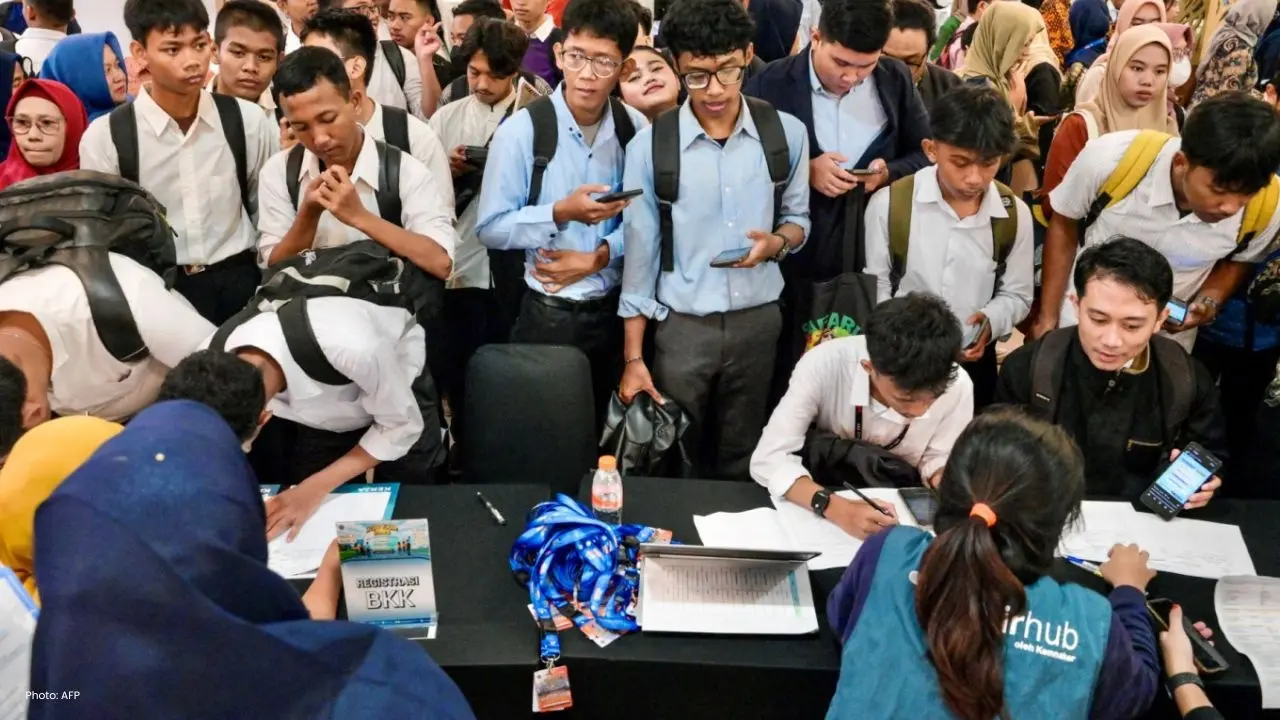
Indonesia is witnessing a notable decrease in unemployment, indicating a positive trend in its labor market and economic recovery. Yet, this improvement comes with a worrying shift as more Indonesians are moving into informal jobs, which raises significant concerns regarding job quality, income reliability, and worker safeguarding. Experts argue that this trend underlines persistent structural hurdles within the Indonesian economy.
Recent observations in the labor market suggest that many individuals are securing employment in informal roles rather than stable formal jobs. Informal work includes temporary roles, gig labor, street vending, small-scale trading, and other jobs that typically lack legal contracts, healthcare benefits, and long-term financial security. Economists assert that this transition reflects the evolving employment landscape in Southeast Asia’s largest economy.
The drop in Indonesia's unemployment rate has been positively received as evidence that businesses and economic activities are rebounding after years of global uncertainty. Government initiatives designed to bolster investment, tourism, manufacturing, and the digital landscape have played a role in creating jobs across various sectors. Still, analysts caution that many newly available positions are clustered in lower-income and less stable job categories.
The growth of informal employment has emerged as a significant concern for labor analysts and policymakers in Indonesia. Individuals within the informal sector frequently contend with erratic wages, inconsistent work hours, and limited access to healthcare and retirement plans. A substantial number of workers remain outside the national labor protection framework, which jeopardizes their financial stability during economic downturns or crises.
Economic experts attribute the rise in informal employment in Indonesia to several factors. Accelerated urbanization, rising population, technological advancements, and evolving business frameworks have led to a labor market where flexible, short-term jobs are proliferating quicker than permanent roles. Furthermore, the surge of small businesses and digital platform opportunities has also significantly increased in recent years.
Young job seekers and recent graduates are particularly affected by the growth of informal employment. Many are finding it challenging to secure stable formal jobs and are instead opting for freelance, gig, or self-employment options to earn a living. Experts warn that this trend may hinder long-term income improvement and career advancement.
Despite these challenges, Indonesia's economy remains robust compared to many of its regional counterparts. Enhanced domestic consumption, ongoing infrastructure projects, and digital business growth have all contributed to sustained economic activity and job creation. Officials express optimism that stronger industrial investment and economic reforms will yield greater formal employment opportunities ahead.
Labor market specialists emphasize that enhancing job quality should be as crucial as lowering unemployment figures. They contend that economic expansion alone will not suffice unless workers also gain improved wages, legal rights, healthcare access, and social security benefits. Furthermore, expanding vocational education and skill-building initiatives is essential to equip workers for higher-quality employment.
The latest trends in employment in Indonesia reveal both advances and persistent challenges in the labor market. While a lower unemployment rate is undoubtedly good news for the economy, the growing reliance on informal work underscores the necessity for strengthened labor policies and long-term economic strategies. Policymakers are anticipated to focus on harmonizing economic growth with sustainable, secure job options for millions of workers in Indonesia.