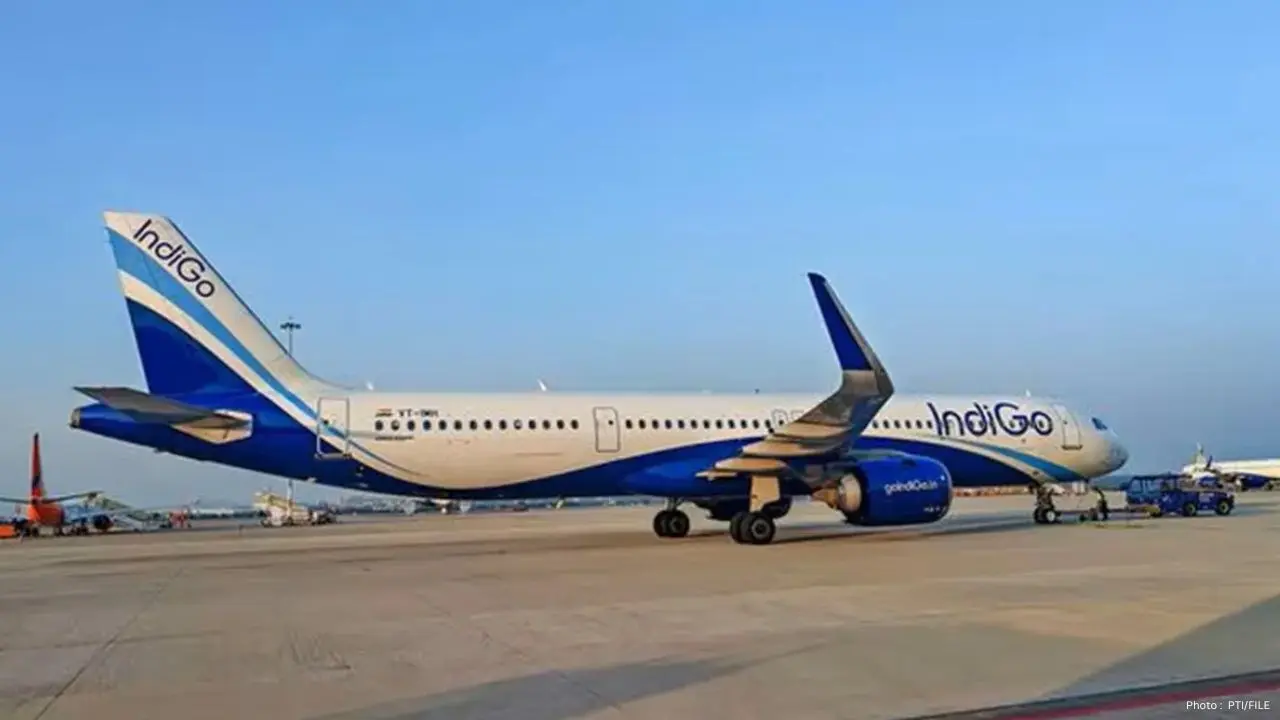
IndiGo has made the decision to cease its direct flights from India to Manchester as of August 3, citing increased operational costs and persistent airspace limitations that have rendered the route challenging. This move signifies a substantial shift in the airline’s international strategy, underscoring the growing hurdles faced by airlines in maintaining long-haul operations.
The Manchester service was introduced as a key component of IndiGo’s broader strategy to enhance its international footprint and connect Indian travellers with vital European locations. However, shifting global dynamics have imposed significant challenges that jeopardize the financial sustainability of certain international routes.
Airspace restrictions have compelled aircraft to travel longer distances than intended, leading to extended flight durations and increased fuel consumption. Given that fuel constitutes a major part of operational costs for airlines, even slight alterations to flight paths can significantly impact financial viability.
The aviation sector has been grappling with a tough operational landscape recently. Geopolitical tensions have prompted limitations on critical flight paths, forcing airlines to re-route flights for safety, which typically results in increased distances travelled, higher costs for fuel, crew, and overall operations.
IndiGo found it increasingly difficult to sustain the Manchester route under these challenging conditions. While demand from passengers is a crucial consideration in route management, airlines must guarantee that their services are financially sound. If expenses outpace income, airlines are often compelled to reassess their networks and make strategic decisions.
This suspension will impact various travellers, including students, business professionals, tourists, and the Indian community residing in the UK who frequently rely on this route for its convenience in reducing travel times and avoiding multiple layovers. As a result, passengers will need to explore alternative travel routes through other cities for future trips.
Nevertheless, IndiGo has expressed its commitment to continuing its international growth where feasible, regularly adding new destinations and bolstering its presence in international markets as part of its long-term strategy. Industry analysts suggest that this decision is more a reflection of operational difficulties than a signaling of retreating from international aspirations.
This development is indicative of the broader challenges facing the global aviation industry, where airlines contend with surging fuel prices, volatile demand, escalating maintenance costs, and geopolitical uncertainties. These dynamics have compelled numerous carriers to reconsider their route strategies and prioritize more profitable services.
Aviation experts assert that route suspensions are often a standard response to fluctuating market conditions. Airlines routinely analyze performance metrics and adjust their schedules based on profitability, operational efficiency, and future demand projections. Such adjustments are essential for ensuring long-term stability in business.
In the context of India's fast-growing aviation market, this announcement serves as a reminder of the significant obstacles associated with international expansion. While Indian airlines have made commendable strides in extending their global reach, long-haul operations remain particularly sensitive to fluctuations in fuel costs, airspace accessibility, and international diplomatic shifts.
The suspension to Manchester may also push airlines to prioritize routes offering more favorable operating conditions. Realigning aircraft to more successful routes can improve operational efficiency and resource utilization, facilitating competitiveness in an industry characterized by slim profit margins.
From an editorial viewpoint, IndiGo’s decision highlights the pragmatic realities influencing the modern aviation landscape, rather than reflecting a setback in its growth ambitions. Airlines must navigate the delicate balance between expansion and financial viability. In the current unpredictable global climate, flexibility is crucial for thriving in this sector.
This flight suspension demonstrates how external elements can shape business choices within aviation. While it may cause temporary disruptions to passengers, it illustrates the necessity of adapting to evolving market circumstances. As global travel dynamics continue to shift, airlines must prioritize agility to effectively mitigate risks and foster sustainable growth.