Photo:Reuters
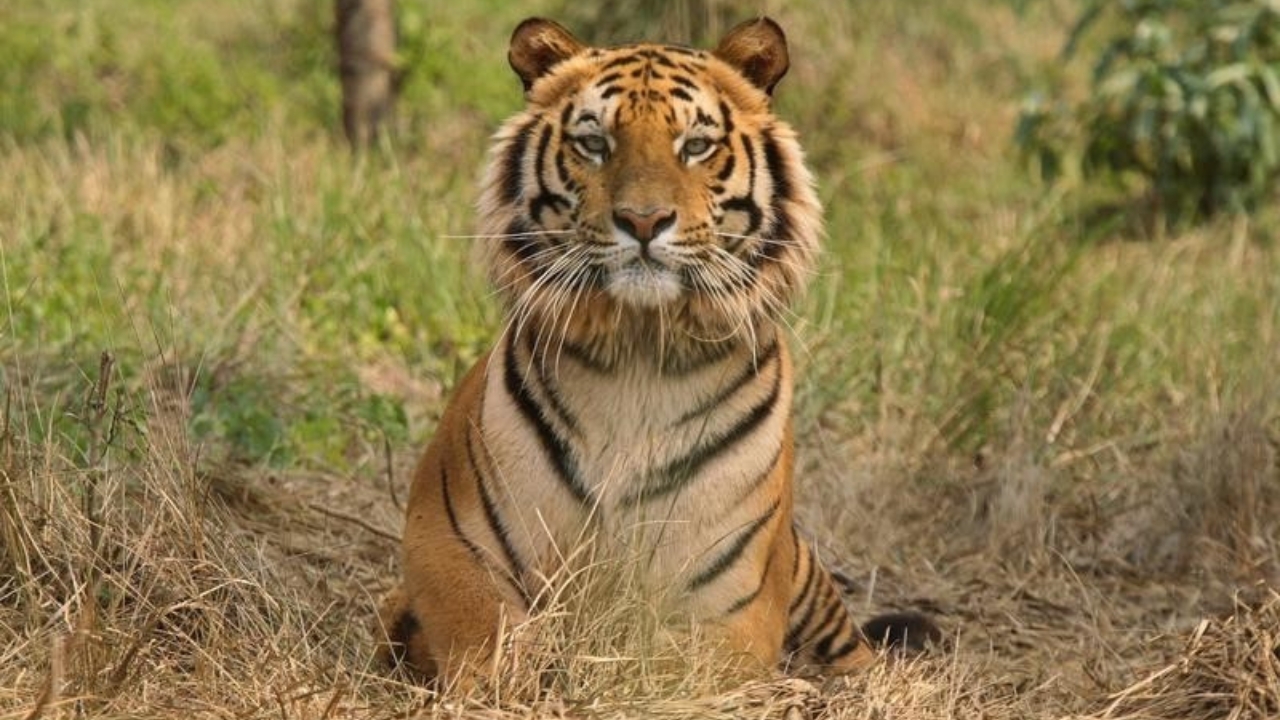
India has witnessed an extraordinary revival in its wild tiger population over the past decade and more, marking a major milestone in global wildlife conservation. According to the latest research and national surveys, India’s tiger numbers have more than doubled since 2010, rising from about 1,706 tigers then to approximately 3,682 by 2022. This remarkable increase represents nearly 75% of the world's wild tigers, making India the undisputed tiger capital of the planet.
This upward trend has been achieved despite India having one of the largest and fastest-growing human populations in the world, showcasing a rare example of coexistence between humans and a top predator species. The increase reflects decades of concentrated efforts by government bodies, wildlife organizations, scientists, and local communities dedicated to protecting tigers from threats including poaching, habitat loss, human-wildlife conflict, and prey depletion.
Conservation Measures Driving the Tiger Revival
India’s success story emerges from a multifaceted conservation strategy focused on habitat protection, anti-poaching measures, scientific monitoring, and community involvement. Key components include:
-
Project Tiger and National Tiger Conservation Authority: Launched in 1973, Project Tiger was among the world's first major tiger conservation initiatives. Over the decades, it evolved to include strict protection protocols, enhanced surveillance, infrastructure investment, and legal enforcement. The National Tiger Conservation Authority (NTCA) now oversees strategic planning, coordination, and implementation of tiger-friendly policies nationwide.
-
Protected Areas and Habitat Expansion: India has expanded tiger habitats significantly. From 2010 to 2022, the tiger range grew by approximately 30%, spreading across 53,359 square miles (138,200 square kilometers), which is roughly the size of England. About 85% of breeding tigers now occupy human-free core zones inside national parks and reserves, created through both voluntary and compensated relocation of people from these critical tiger habitats.
-
Scientific Monitoring and Data-Driven Policies: Using cutting-edge methods like camera trapping and spatially explicit capture-recapture models, India has conducted rigorous tiger censuses that have improved accuracy and policy effectiveness. These tools help track tiger populations, monitor prey abundance, understand human-wildlife conflict zones, and adapt conservation strategies accordingly.
-
Community Engagement and Human-Tiger Coexistence: Recognizing that local communities are essential stakeholders, conservation frameworks have sought to reduce negative interactions by offering compensation for livestock loss, promoting awareness campaigns, and encouraging community participation in eco-tourism. Interestingly, researchers found that the attitude and mindset of people strongly influence tiger population growth more than mere population density of nearby humans.
-
Addressing Human-Wildlife Conflict: The government’s three-pronged approach includes material support, capacity building for forest staff to handle conflict incidents, and effective compensation mechanisms to discourage retaliatory killings and foster coexistence.
Geographical Distribution and Tiger Population Hotspots
The states with the highest tiger populations reflect both ecological richness and conservation effectiveness. Madhya Pradesh leads with 785 tigers, followed by Karnataka (563), Uttarakhand (560), and Maharashtra (444). These regions have long-standing tiger reserves and extensive protected forests that sustain healthy tiger populations and their prey base.
Challenges Remaining for Tiger Conservation
Despite the encouraging tiger population growth, significant challenges remain that could threaten sustainability:
-
Habitat Fragmentation: Increasing infrastructure development such as roads, railways, pipelines, urban sprawl, and agricultural expansion continue to break up tiger habitats into smaller, disconnected patches. This fragmentation restricts tiger movement, reduces genetic diversity, and alters prey availability.
-
Poaching and Illegal Wildlife Trade: Though poaching has declined due to tighter enforcement, it is still an ongoing threat. Tigers are illegally hunted for their body parts used in traditional medicine and black-market trade.
-
Quality of Habitat: Conservationists emphasize not just the quantity of protected areas, but the quality — well-managed habitats with abundant prey and minimal human disturbance are essential to tiger survival.
-
Human-Tiger Conflict: As human settlements encroach near tiger ranges, conflicts like livestock depredation and occasional human attacks lead to negative perceptions and retaliatory killings without proper mitigation.
-
Climate Change and Environmental Pressures: Changing weather patterns could alter forest ecosystems, prey availability, and water resources, indirectly impacting tiger habitats.
Lessons for Global Conservation Efforts
India’s experience holds lessons for wider big cat and wildlife conservation worldwide:
-
A science-led, holistic strategy combining land sparing (protected zones) and land sharing (multi-use forests) works best.
-
Political commitment and community involvement are critical alongside technical measures.
-
Protecting top predators like tigers sustains entire ecosystems and biodiversity.
-
Conservation gains can support local economies through eco-tourism, benefiting human communities dependent on forests.