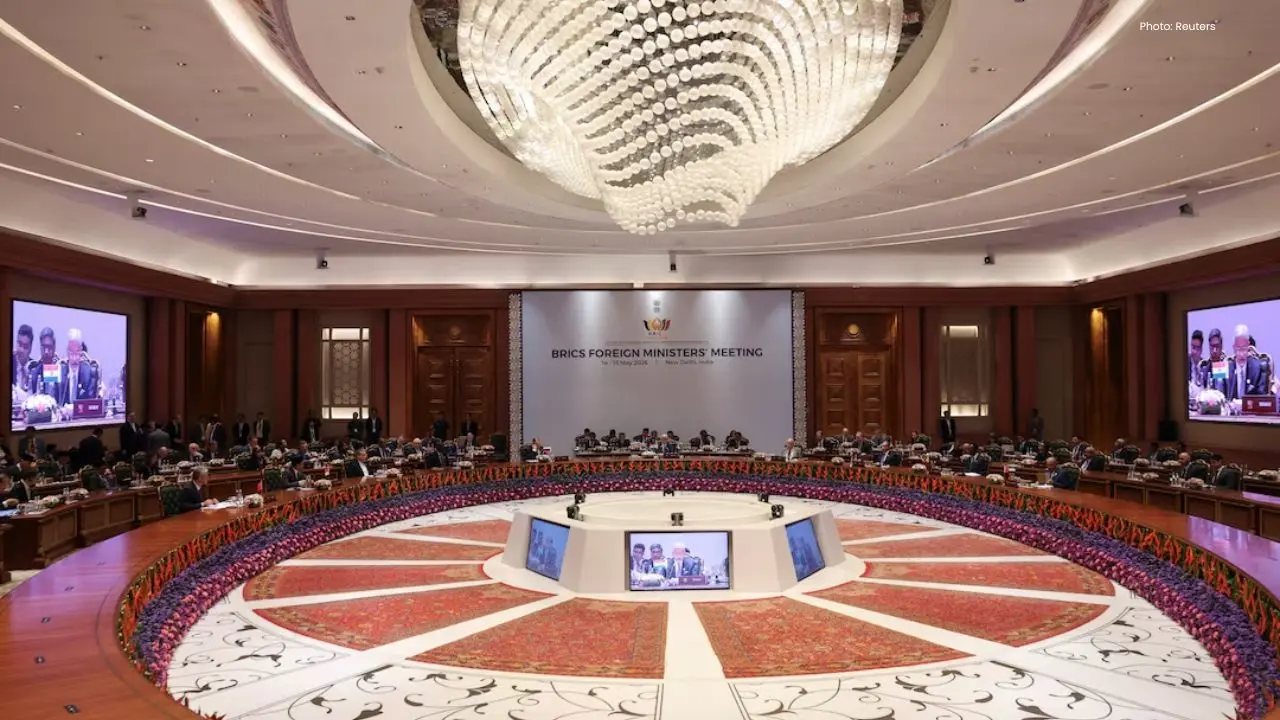
India has highlighted the vital role of secure and uninterrupted maritime trade routes in ensuring global economic stability at the BRICS Foreign Ministers meeting in New Delhi. External Affairs Minister Subrahmanyam Jaishankar remarked that key international waterways, especially the Strait of Hormuz and the Red Sea, are crucial for global trade, energy supplies, and broader economic growth.
In his opening address for the two-day BRICS assembly, Jaishankar voiced rising concerns about the ongoing conflicts in West Asia and their repercussions on international shipping and energy markets. He cautioned that any disruptions to major maritime routes could severely impact the world economy, drive inflation up, and introduce added uncertainty into global trade dynamics.
Jaishankar pointed out that the Strait of Hormuz represents one of the planet's most essential shipping lanes, through which a significant fraction of the world's oil and gas passes. Recent geopolitical tensions and military confrontations in the Middle East have been linked to ongoing disruptions in tanker traffic, mounting risks for shipping, and significant rises in global energy prices.
The minister stressed that global disputes should be resolved via dialogue and diplomacy rather than through unilateral sanctions or coercive actions, especially as developing countries are often the most adversely affected by such economic restrictions and geopolitical disturbances. He urged BRICS nations to collaborate on fostering a balanced, stable, and rules-based international order.
The BRICS group comprises Brazil, Russia, India, China, South Africa, Egypt, Ethiopia, Indonesia, Iran, and the United Arab Emirates. India holds the chairmanship for the BRICS grouping in 2026 and is currently hosting the foreign ministers’ meetings in New Delhi, attended by notable leaders such as Iran’s Foreign Minister Abbas Araqchi and UAE Deputy Foreign Minister Khalifa Shaheen Al Marar.
Officials have indicated that the ongoing conflict involving Iran has created rifts within some BRICS member countries, complicating efforts to reach a unified joint statement. This conflict has further intensified pressure on global energy markets, creating fears regarding potential disruptions in international oil supplies.
Economic analysts foresee the situation in the Strait of Hormuz as a looming challenge for global trade if tensions persist. This route is deemed essential for delivering crude oil and liquefied natural gas to regions such as Asia and Europe, and any long-term disturbances could significantly impact fuel prices, inflation rates, shipping expenses, and industrial production around the world.
India's commitment to ensuring freedom of navigation and maintaining secure maritime trade routes stems from the nation's heavy dependency on imported energy resources. Officials affirm that preserving peace and stability in critical waterways is vital for national economic security and international collaboration.
As the BRICS meeting in New Delhi progresses, discussions are expected to delve deeper into matters concerning global economic stability, trade collaboration, energy security, and diplomatic resolutions to ongoing international conflicts over the next two days.