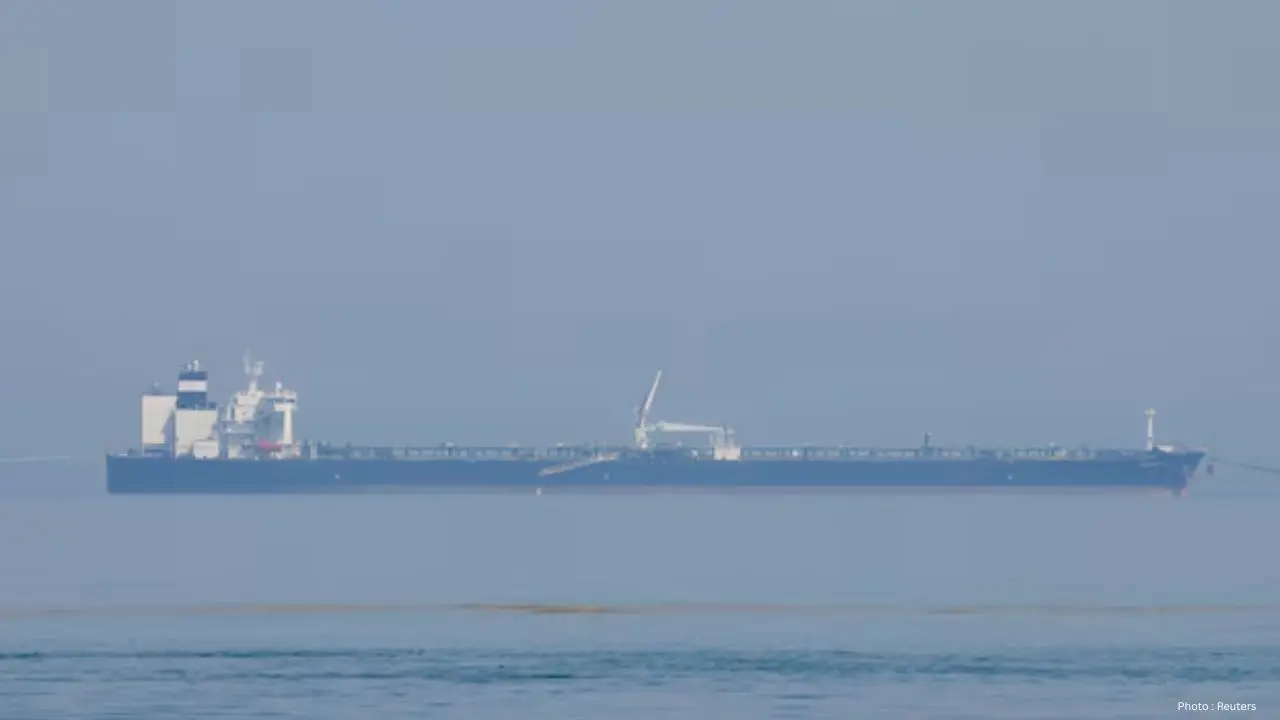
India has made a formal request to the United States to extend the waiver permitting ongoing purchases of Russian oil, prompted by the escalation of the Iran conflict which is straining global energy markets. This appeal highlights mounting worries regarding fuel security, climbing oil prices, and the economic ramifications linked to instability in the Middle East.
The ongoing tensions stemming from the Iran situation have introduced significant unpredictability within international oil markets. Concerns about potential disruptions to key shipping lanes, particularly the Strait of Hormuz—vital for global oil transit—are intensifying.
As one of the largest crude oil importers globally, India's economy is highly reliant on foreign energy sources. Following sanctions imposed on Russia due to the Ukraine conflict, India has ramped up its imports of discounted Russian crude oil, aiming to mitigate fuel expenses and inflation.
Previously, the United States granted temporary waivers to enable select nations to continue purchasing Russian oil under specified conditions, mainly to avert major disruptions to global energy supply chains and prevent abrupt spikes in fuel prices internationally.
With the Iran conflict still impacting oil availability and maritime security, India is reportedly seeking another extension of this exemption. Officials are wary that tighter restrictions on Russian oil could exacerbate fuel costs at a time when market conditions are already fragile.
Energy security is increasingly critical for India, as fluctuations in fuel prices directly influence transport costs, food prices, industrial output, and overall economic advancement. A sharp increase in oil prices could trigger inflationary pressures on households and businesses nationwide.
In recent years, Russian oil has assumed a crucial role in India's energy strategy. The affordability of Russian crude has enabled India to manage import expenses while ensuring stable fuel supplies amidst global turbulence.
This situation underscores India's nuanced diplomatic approach. The country seeks to maintain robust strategic and economic ties with both the United States and Russia while safeguarding its own interests.
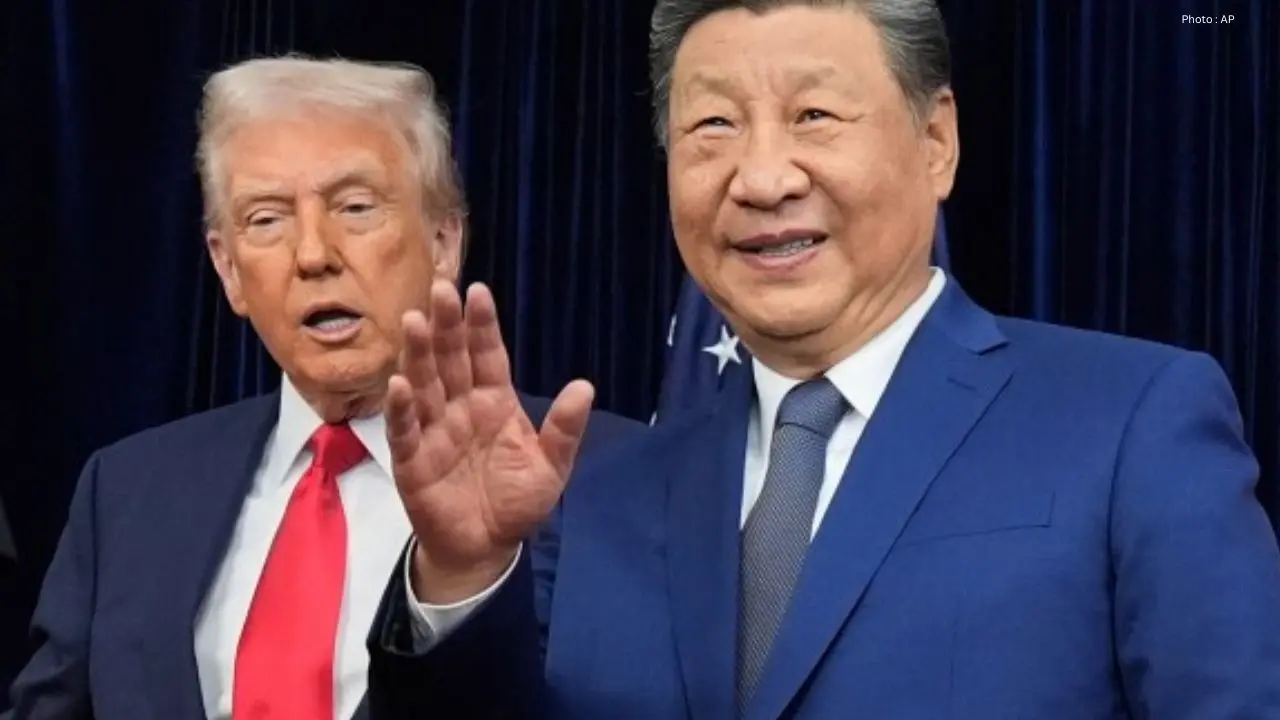
Meanwhile, the United States finds itself in a challenging position, with some leaders advocating for keeping sanctions on Russia, while others argue that stabilizing global energy supply is essential to avert a more serious economic crisis in light of the Iran situation.
The continuing conflict in West Asia has already impacted global trade, shipping expenses, and energy prices. Experts caution that any escalation could lead to compounded troubles for the world economy, further impacting inflation across various nations.
To bolster its energy security, India is also exploring alternative supply avenues and preparing for potential market disruptions.
India's recent waiver request illustrates the intricate connections between global politics and energy markets. Conflicts in one area can rapidly impact fuel prices, economic stability, and trading networks worldwide.
For India, ensuring stable and affordable oil imports is not merely an economic concern but also vital for national stability and growth.
This scenario highlights the growing significance of energy diplomacy in international relations. Nations are increasingly making strategic choices driven not only by political considerations but also by long-term economic and energy requirements.
As the uncertainties stemming from the Iran conflict endure, India's quest for a waiver extension may evolve into a critical diplomatic topic between New Delhi and Washington in the upcoming weeks.