India has announced that it will reopen its embassy in Kabul, the capital of Afghanistan, four years after it was closed. Indian Foreign Minister Subrahmanyam Jaishankar confirmed on Friday that the country’s small technical mission in Kabul will now be upgraded to a full embassy. This move comes at a time when Afghanistan is governed by the Taliban, and it marks an important step in strengthening diplomatic links between the two nations.
Background of India-Afghanistan Relations
India closed its embassy in Kabul in 2021 after the Taliban took power following the withdrawal of U.S.-led NATO forces. Despite this closure, India opened a small mission a year later to support trade, provide medical aid, and deliver humanitarian assistance. The reopening of the embassy signals a deeper diplomatic engagement, showing India’s interest in continuing support for Afghanistan’s development and regional stability.
India has historically maintained friendly relations with Afghanistan, helping in infrastructure projects, schools, hospitals, and energy development. While India does not officially recognize the Taliban government, the reopening of the embassy allows closer cooperation on trade, humanitarian aid, and political dialogue.
Taliban Leader’s Visit to India
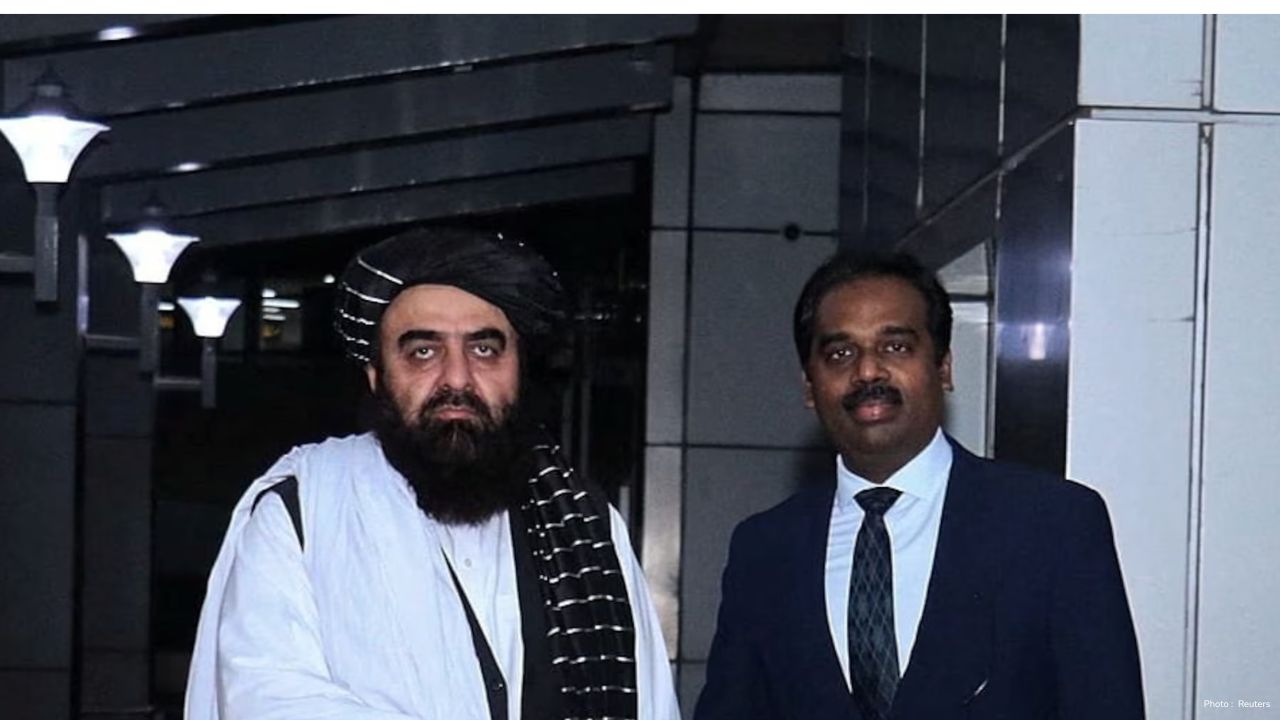
The announcement coincided with Afghan Taliban Foreign Minister Mawlawi Amir Khan Muttaqi’s first visit to India since 2021. During the visit, Muttaqi met with Jaishankar to discuss economic, trade, and political matters. This visit reflects the Taliban’s interest in expanding relations with regional countries and seeking greater economic engagement and eventual diplomatic recognition.
Jaishankar emphasized India’s commitment to the sovereignty, territorial integrity, and independence of Afghanistan. He stated that closer cooperation between India and Afghanistan will contribute to Afghanistan’s development and help maintain stability in the region.
Regional and International Context
About a dozen countries, including China, Russia, Iran, Pakistan, and Turkey, currently operate embassies in Kabul. However, Russia is the only country that has formally recognized the Taliban government. Western nations remain cautious due to the Taliban’s restrictions on women and other human rights concerns, which have stalled formal recognition of their administration.
India’s reopening of its embassy is significant because it allows India to engage more closely with Afghanistan while maintaining its position on human rights and regional security. It also gives India a platform to support humanitarian projects and coordinate with other international actors working in Afghanistan.
Potential Benefits of the Embassy Upgrade
Upgrading the technical mission to a full embassy will allow India to provide more consistent support to Afghan citizens, facilitate trade and development projects, and maintain closer communication with Afghan authorities. It will also strengthen India’s role in regional diplomacy, enabling better coordination with neighboring countries and international partners on issues like security, development, and humanitarian aid.