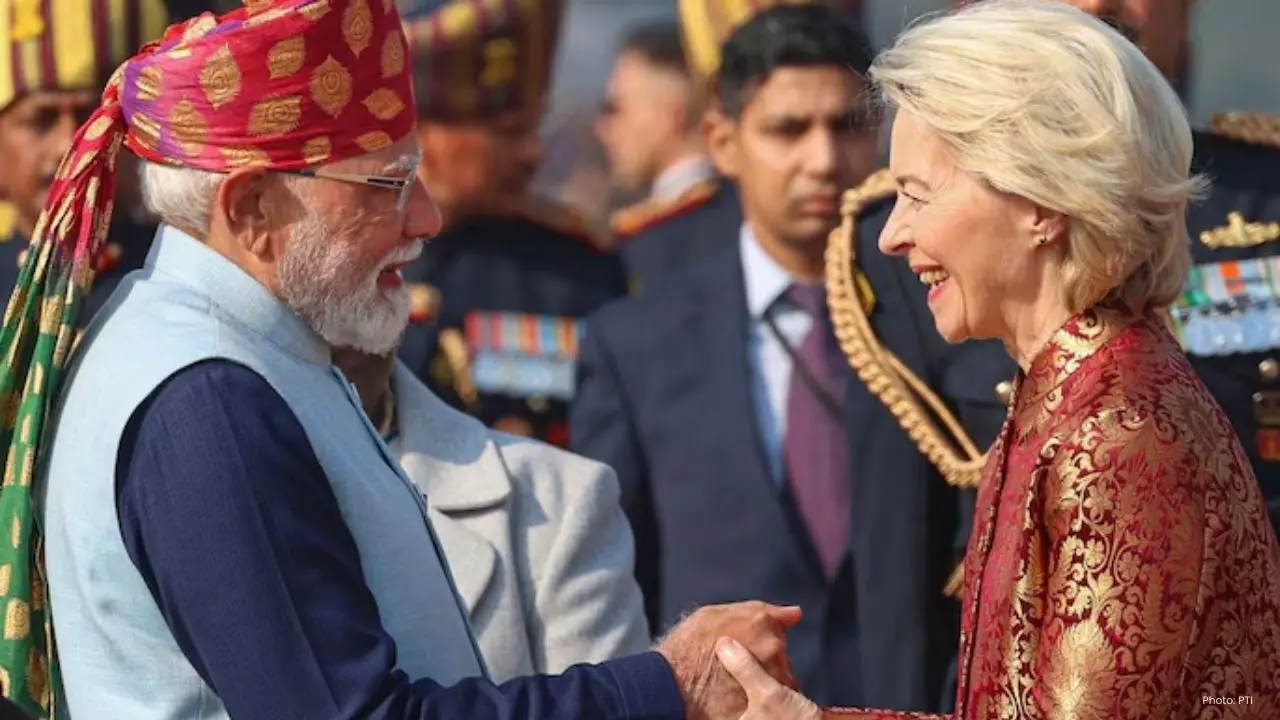
New Delhi: In a landmark development, India and the European Union have sealed a major trade agreement, dubbed the “mother of all deals,” after a protracted negotiation period spanning nearly 20 years. This landmark pact aims to establish a free trade area encompassing two billion people, significantly enhancing economic connections.
The agreement was declared in New Delhi on Tuesday by Prime Minister Narendra Modi, European Commission President Ursula von der Leyen, and European Council President Antonio Costa. Modi emphasized that this partnership “captures around 25 percent of global GDP and a third of global trade,” heralding new opportunities for citizens on both sides.
Under the terms of this deal, tariffs on roughly 97 percent of EU exports will be reduced or eliminated, yielding savings for the EU of up to 4 billion euros ($4.75 billion) annually. Key sectors in Europe, such as agriculture and automotive, are expected to benefit from this early boost.
Specifically, tariffs on European automobiles in India will gradually decrease from 110% to 10%, while wine duties will drop from 150% to 20%. Additionally, tariffs on processed foods like pasta and chocolate will be abolished altogether. European companies will also secure preferential access to India’s financial services and maritime sectors.
India anticipates growth in various sectors, including textiles, leather, and gemstones, alongside services. Trade in goods between the two nations reached a noteworthy 120 billion euros ($139 billion) in 2024, while services trade added another 60 billion euros ($69 billion).
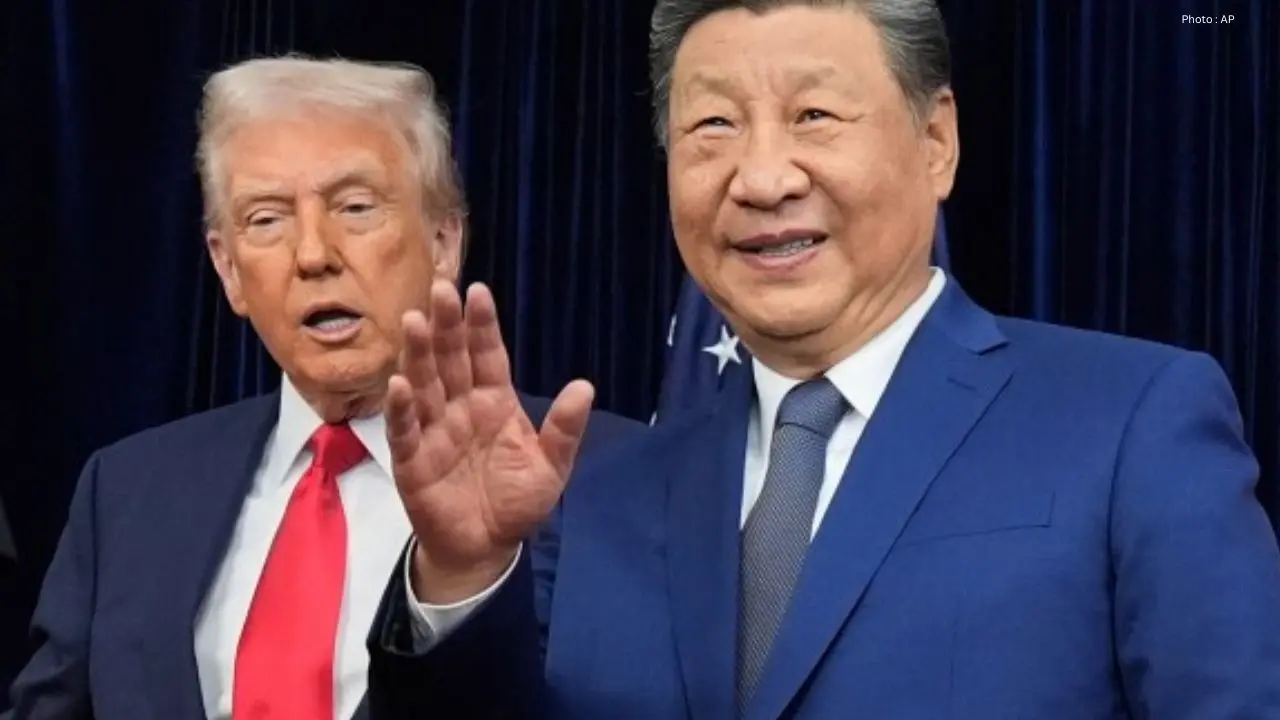
This agreement comes at a time when both India and the EU are pursuing alternative markets due to US tariffs and Chinese export limitations. Discussions also revolved around facilitating the movement of seasonal workers, students, and skilled workers, along with enhancing security and defense collaboration.
Von der Leyen referred to this agreement as “a clear choice of strategic partnership and openness,” highlighting that it paves a way forward in a divided global landscape.
The IMF projects India to become the fourth-largest economy by this year, while the EU identifies India as an essential hub for investment and technological innovation.