India’s Diabetes Crisis : High Prevalence, Low Awareness
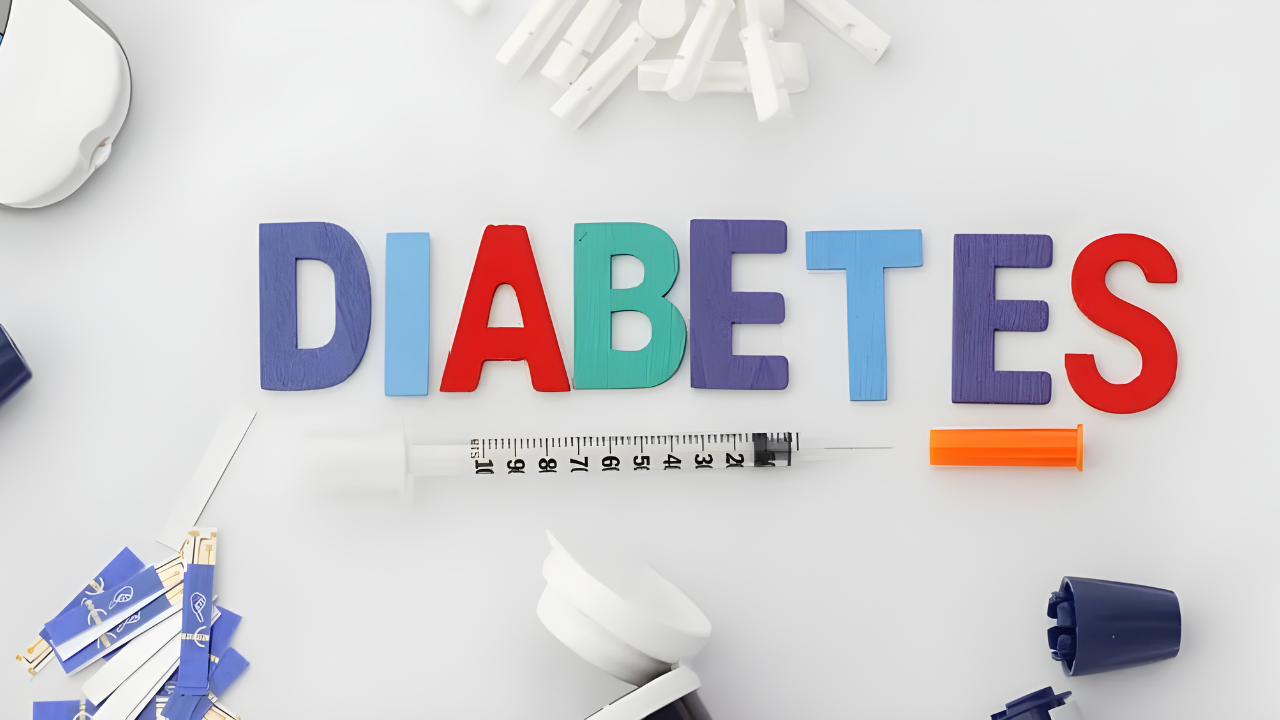
India is confronting a growing diabetes crisis, with nearly 50 million adults aged 45 and older living with the disease in 2025. Despite high prevalence, awareness remains low, especially in rural areas and among women and less-educated populations.
Background: The Rise of Diabetes in India
India has long been called the “diabetes capital of the world” due to steadily increasing prevalence over decades. From just 2–3% in the 1980s, the number of adults affected has surged to nearly 20% by 2025. Factors driving this rise include rapid urbanization, sedentary lifestyles, high consumption of processed foods and refined sugars, genetic predisposition among South Asians, and a growing aging population.
Study Methods
The Lancet study analyzed a nationally representative sample of adults aged 45+ using stratified random sampling. Data collection included face-to-face interviews to assess awareness, lifestyle, and treatment, along with clinical assessments such as fasting blood glucose and HbA1c levels. Key outcomes measured included prevalence, awareness, treatment adherence, and glycemic control.
Key Findings: A Nation at Risk
Prevalence
19.8% of adults aged 45+ have diabetes, with urban areas at 22% and rural areas at 16%. Kerala, Tamil Nadu, and Maharashtra have the highest rates, while Bihar and Jharkhand report lower prevalence.
Awareness
Only 60% of adults with diabetes are aware of their condition. Awareness is higher in urban areas (65%) compared to rural regions (52%), and women or less-educated individuals show lower awareness.
Treatment and Management
About 70% of those aware are receiving treatment, but access is limited in rural areas. Only 50% achieve optimal glycemic control due to inconsistent medication, poor lifestyle adherence, and lack of follow-up.
Regional Insights
- Southern India: High prevalence but better awareness and treatment coverage.
- Northern India: High prevalence but poor control due to lifestyle factors.
- Eastern India: Low awareness and limited access to treatment.
- Western India: Moderate prevalence with relatively better treatment coverage.
Patient Stories
Rajesh Kumar, Delhi: Diagnosed after vision problems, now managing diabetes with lifestyle changes and medication.
Sunita Devi, Bihar: Remains undiagnosed due to limited healthcare access, showing the gap in diabetes awareness.
Expert Opinions
- Dr. Arvind Kumar stresses early screening and intervention.
- Dr. Meera Nair highlights the importance of education, counseling, and regular follow-ups.
- The WHO calls for coordinated global and national efforts to curb complications.
Global Comparison
India’s diabetes prevalence among adults aged 45+ is 19.8%, higher than China (12–14%) and the USA (10–11%). Unlike developed nations, India faces both high prevalence and low awareness, making treatment and management a critical priority.
Public and Media Response
National screening programs are proposed, and media campaigns emphasize lifestyle changes, diet, and physical activity. Social media campaigns leverage hashtags like #IndiaDiabetesCrisis, #FightDiabetes, and #HealthyIndia to raise awareness.
Policy Recommendations
- Expand screening programs for adults aged 30+.
- Launch public awareness campaigns on diet, lifestyle, and risk factors.
- Improve access to healthcare in rural areas.
- Promote lifestyle interventions and community-based physical activity programs.
- Integrate technology like mobile apps and telemedicine to improve monitoring and adherence.
- Train healthcare professionals for effective diabetes treatment and management.
Future Outlook
Without immediate intervention, India will face a surge in diabetes-related complications, including heart disease, kidney failure, and amputations. Early diagnosis, lifestyle management, and treatment adherence can significantly reduce the disease burden. The 2025 Lancet study highlights a public health crisis: high diabetes prevalence, low awareness, and suboptimal glycemic control. Coordinated efforts by the government, NGOs, healthcare providers, and communities are crucial to save millions of lives and secure a healthier future for India.