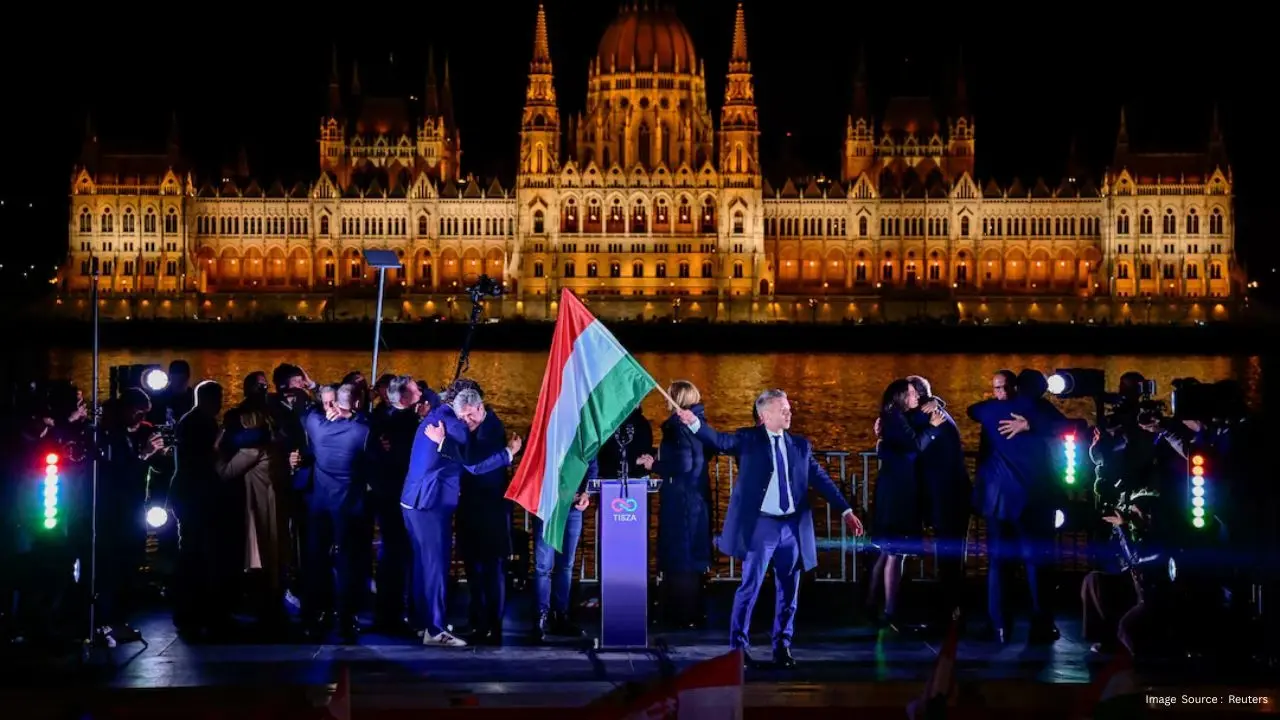
The 2026 election in Hungary stands as a crucial event in European politics, capturing the interest of the European Union, the United States, and Russia. This significant vote has the potential to alter Hungary's political landscape after years of dominant governance by Viktor Orbán.
Orbán has been a central figure in Hungary's political scene for over a decade, promoting a nationalist agenda that has frequently conflicted with the European Union’s values. His administration has faced scrutiny over issues such as democracy, media freedom, and adherence to the rule of law. This backdrop has elevated the stakes of the 2026 election in Hungary.
This time, Orbán is up against a formidable group of opposition leaders advocating for change. Their campaign emphasizes revitalizing the economy, combating corruption, and improving Hungary’s ties with Western nations. Economic concerns, including rising costs, have become pivotal for voters, as they strive for a brighter future in this election.
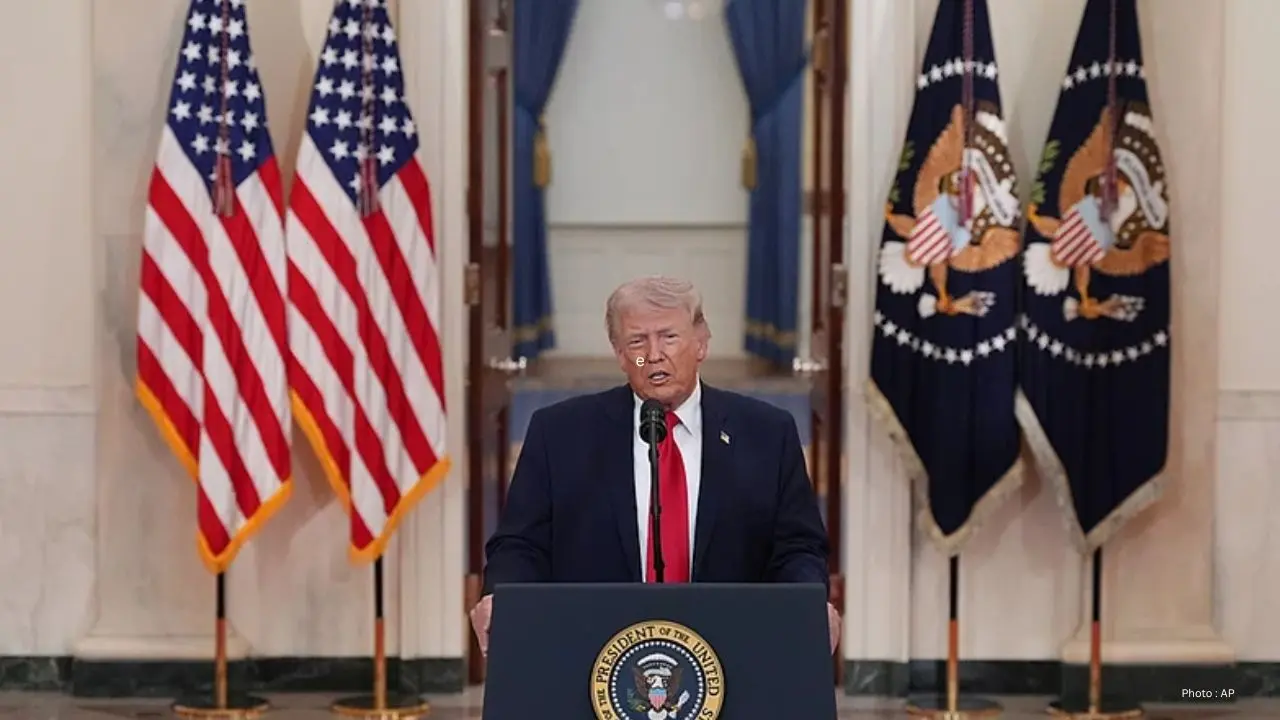
The implications of the 2026 Hungary election extend beyond national borders and into the realm of global politics. Both the United States and Russia are attentively monitoring the unfolding events, given Hungary's strategic position within Europe. Orbán's lasting ties with Russia have stirred tensions within the EU framework.
The election is also regarded as a litmus test for democratic principles across Europe. The upcoming results could steer Hungary toward greater alignment with the European Union or reaffirm its existing trajectory. Consequently, Hungary election updates are being followed closely by observers worldwide.
Concerns over electoral integrity and potential political pressure have underscored the election's significance. Ensuring a fair democratic process is critical for fostering public trust.
Voter engagement is anticipated to be high, reflecting an awareness of the stakes at hand. Such elections empower citizens to influence their nation’s trajectory, and robust participation indicates a desire for their voices to resonate.
The outcome of the 2026 Hungary election is poised to have enduring repercussions. A victory for the current regime could mean Hungary's continued unique stance within Europe, while an opposition win may usher in sweeping changes across domestic and foreign policies.
For the European Union, this election holds substantial importance. A shift in leadership could pave the way for enhanced relations and to address economic and political collaboration. It might also facilitate the release of financial support that has been stalled due to previous controversies.
Meanwhile, Russia is attentively observing the proceedings. Hungary remains one of the few nations in Europe maintaining a balanced stance towards Moscow, and any change in this policy could alter regional dynamics.
The unfolding 2026 election in Hungary illustrates how national decisions resonate on a global scale. The will of the voters will not only shape Hungary’s future but will also impact Europe’s overall political equilibrium.
As the vote count progresses and results emerge, all eyes are on Hungary to see the path it will choose. This election highlights the essence of democracy and the significance of each individual vote.
Ultimately, this electoral exercise symbolizes choice, transformation, and the outlook ahead. The result will either reaffirm Hungary's current course or define a new direction, influencing its role in Europe and beyond.