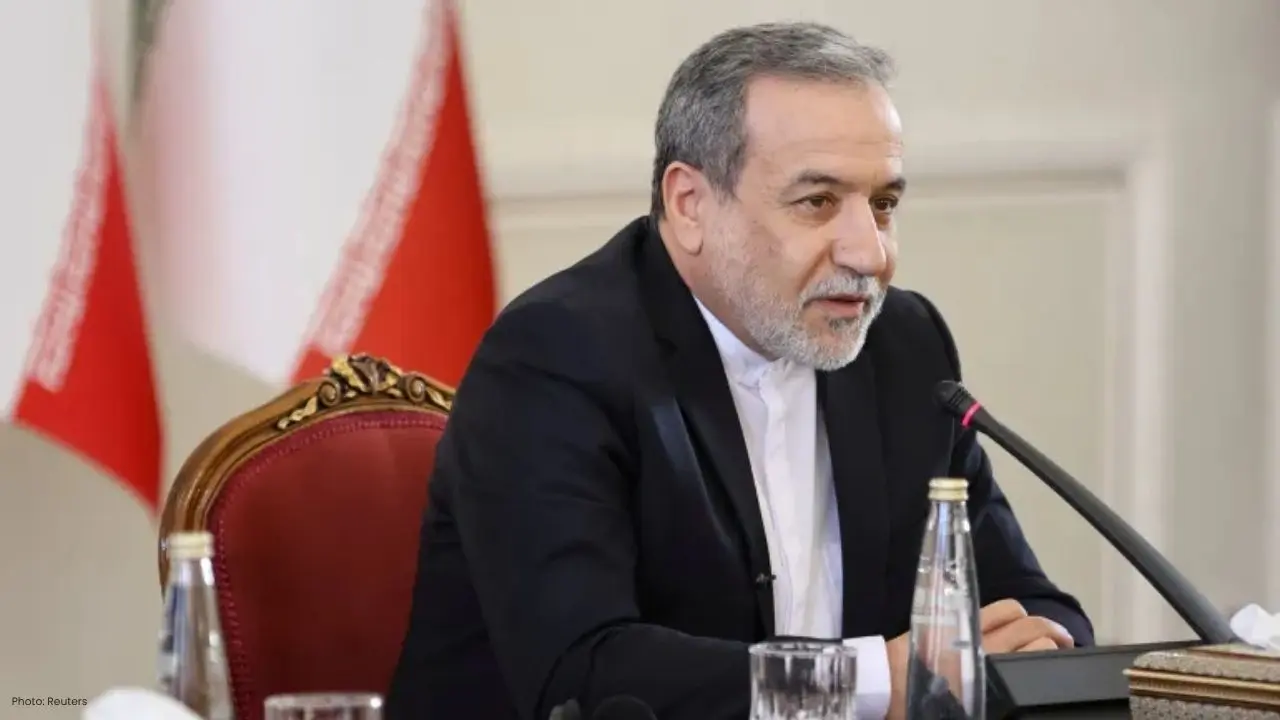
Iran has announced the reopening of the Strait of Hormuz for commercial shipping, indicating a brief reduction of tensions during an active ceasefire period in the region.
Iranian Foreign Minister Abbas Araghchi confirmed that all commercial ships are now permitted to navigate this crucial maritime route. However, transit will still be regulated, with vessels required to adhere to specified courses coordinated by Iran’s maritime authorities.
This development coincides with a delicate 10-day ceasefire agreement between Israel and Lebanon. It remains unclear whether Hezbollah, the Iran-aligned militant group in southern Lebanon, will fully comply with the ceasefire conditions.
Oil Market Reactions
Global oil prices responded swiftly to this announcement.
This significant drop illustrates decreased apprehensions over supply disruptions via the Strait, which accounts for nearly 20% of global oil and gas transit.
US Stance and Ongoing Pressure
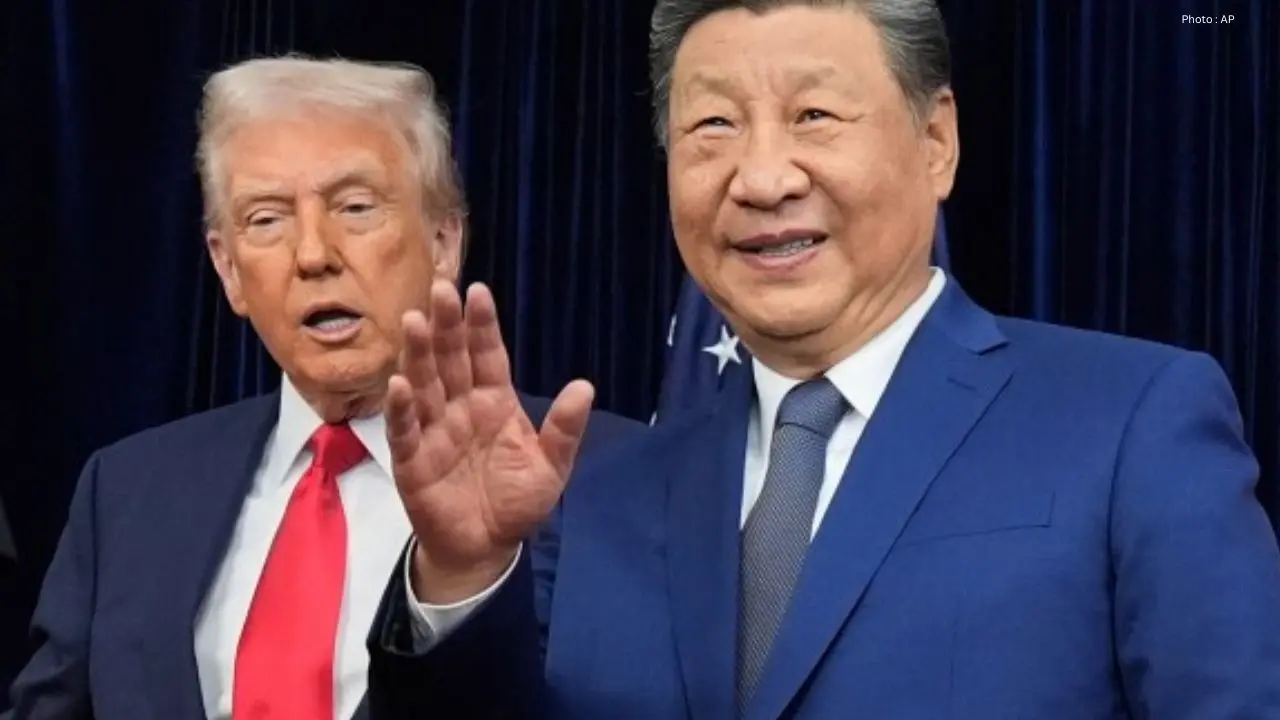
President Donald Trump has confirmed that the Strait is now "open and ready for business," while reaffirming that the US naval blockade on Iran will continue until a comprehensive agreement is finalized.
He also asserted that Iran has promised not to exploit the Strait for geopolitical leverage going forward, although there has been no independent verification of this claim.
Regardless of the reopening, Iran has made it clear that only non-military vessels will be permitted to transit, with all movements requiring approval from its naval forces.
Overview of the Conflict and Current State
The ongoing strife between the US, Israel, and Iran began on February 28 and has led to over 3,000 casualties. In the height of tensions, Iran had shut down the Strait, raising global alarm over energy supply chains.
In retaliation, the US established a naval blockade on Iranian ports following unsuccessful diplomatic negotiations.
Future Diplomatic Efforts and Agreement Prospects
Trump indicated that a resolution to the conflict is "very close," with no significant obstacles standing in the way. Discussions likely include issues connected to Iran’s nuclear ambitions, although Tehran has denied negotiating terms on enriched uranium transfers.
Updates on Lebanon's Ceasefire
Trump also revealed that Israel has been directed to cease its bombing operations in Lebanon. While major airstrikes have not been reported recently, limited military engagements, including artillery fire, continue to occur in southern Lebanon.
Analysts suggest that while this ceasefire represents a constructive move, the likelihood of achieving long-term peace remains ambiguous. However, persistent diplomatic dialogue could pave the way for regional stabilization.