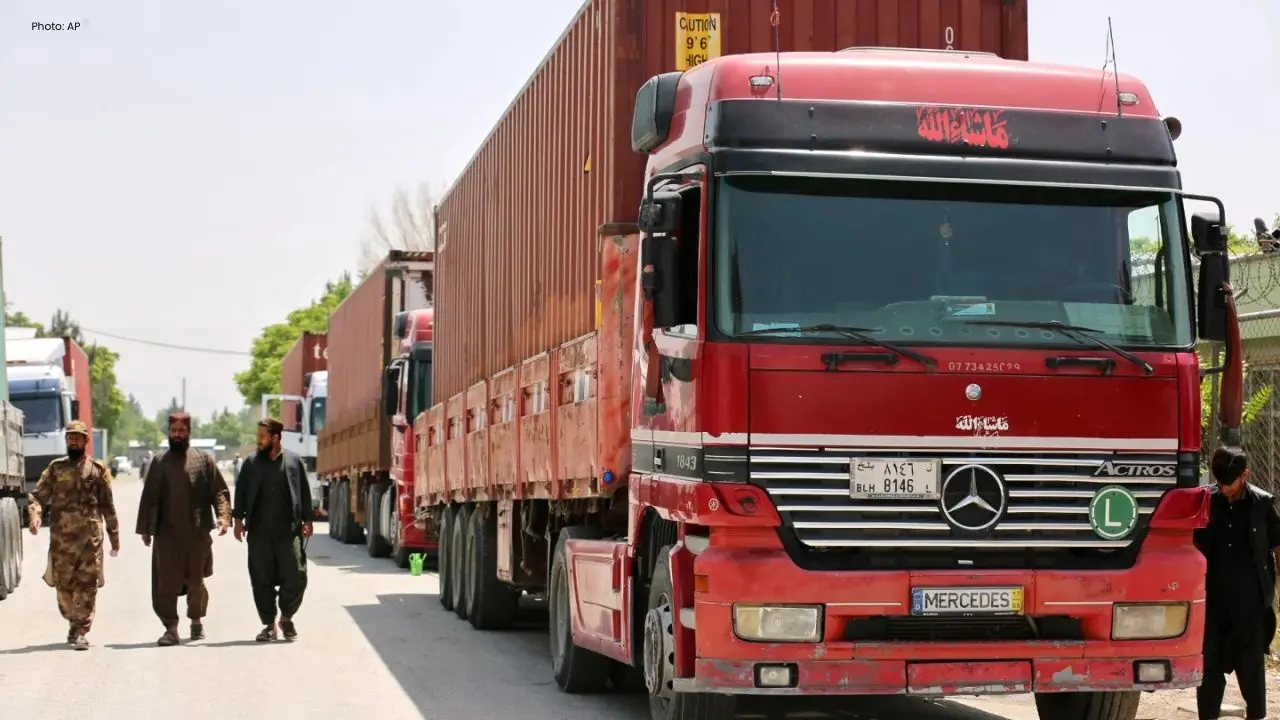
Afghanistan is spiraling into a significant trade and humanitarian catastrophe as key routes via Pakistan and Iran face operational paralysis. The worsening conflict surrounding the Strait of Hormuz has left numerous ships trapped, drastically hampering access for Afghan businesses and humanitarian aid efforts.
The turmoil began after conflicts between Afghanistan and Pakistan led to the closure of essential border points late last year. This prompted Afghan traders and relief organizations to redirect their shipments to Iran’s Bandar Abbas port as an alternative to Pakistan’s Karachi port. However, renewed disruptions around Hormuz have thwarted this option as well.
This maritime blockage poses significant challenges for organizations like the United Nations World Food Programme, which depend on reliable supply chains in Afghanistan. Aid agencies have reported exorbitant transportation costs that have spiked, coupled with dangerously low levels of vital food and nutritional supplies for mothers and children throughout various regions.
By mid-April, the World Food Programme highlighted that many nutritional supplements for malnourished women and children had already run low. Previously, the agency had rerouted supplies through Dubai and Iran post-Pakistan border closure, but escalating regional tensions have effectively sealed off those routes as well.
With ongoing conflicts, humanitarian groups have now been forced to navigate lengthy and costly land routes through Central Asia. Aid deliveries are passing through multiple countries such as Saudi Arabia, Jordan, Turkey, Georgia, Azerbaijan, and Turkmenistan before finally arriving in Afghanistan. Some shipments have reportedly been delayed for upwards of three months.
Afghan businesses are facing massive losses as shipping costs soar and cargo delays multiply. Containers laden with electronics, machinery, and construction materials from China remain either stuck at sea or obstructed in transport corridors, prompting fears of bankruptcy among several entrepreneurs.
Logistics companies indicate a drastic rise in transportation costs since the onset of the crisis. Rates for shipping containers that once hovered between $3,000 and $3,600 have shot up to $7,000, with some even reaching $11,000. Traders report that delivery charges for electronic goods have surged nearly tenfold when compared to prior costs.
Despite the escalating challenges, Afghan officials state that internal price hikes have been relatively controlled due to enhanced trade links with Central Asian nations, Russia, China, and Turkey. Presently, over 60% of Afghanistan’s trade appears to be funneled through Central Asian pathways to lessen reliance on its neighbors.
Experts caution that prolonged disruptions stemming from the Hormuz crisis and ongoing border tensions could escalate economic strains, inflate prices, and exacerbate humanitarian crises. Urgent international efforts are being called for by aid organizations to reopen vital supply routes and ensure that essential food and medical aid reaches the millions of vulnerable Afghans.