Haiti's political landscape is experiencing a significant upheaval as two prominent leaders, Leslie Voltaire and Edgard Leblanc Fils, announced intentions to advance plans for the removal of Prime Minister Alix Didier Fils-Aime. This decision comes despite stern admonitions from the United States, underscoring existing rifts in the country's leadership amidst escalating violence and institutional weakness.
Members of Haiti's Transitional Presidential Council, Voltaire and Leblanc Fils assert that they hold the authority to replace Fils-Aime, whom they appointed in November 2024. They argue that the council is entitled to appoint a new prime minister, alongside government and presidential changes, via a new decree.
This council, charged with steering Haiti toward its first national elections in nearly a decade, has faced significant delays due to armed gangs seizing control in major areas, particularly in Port-au-Prince.
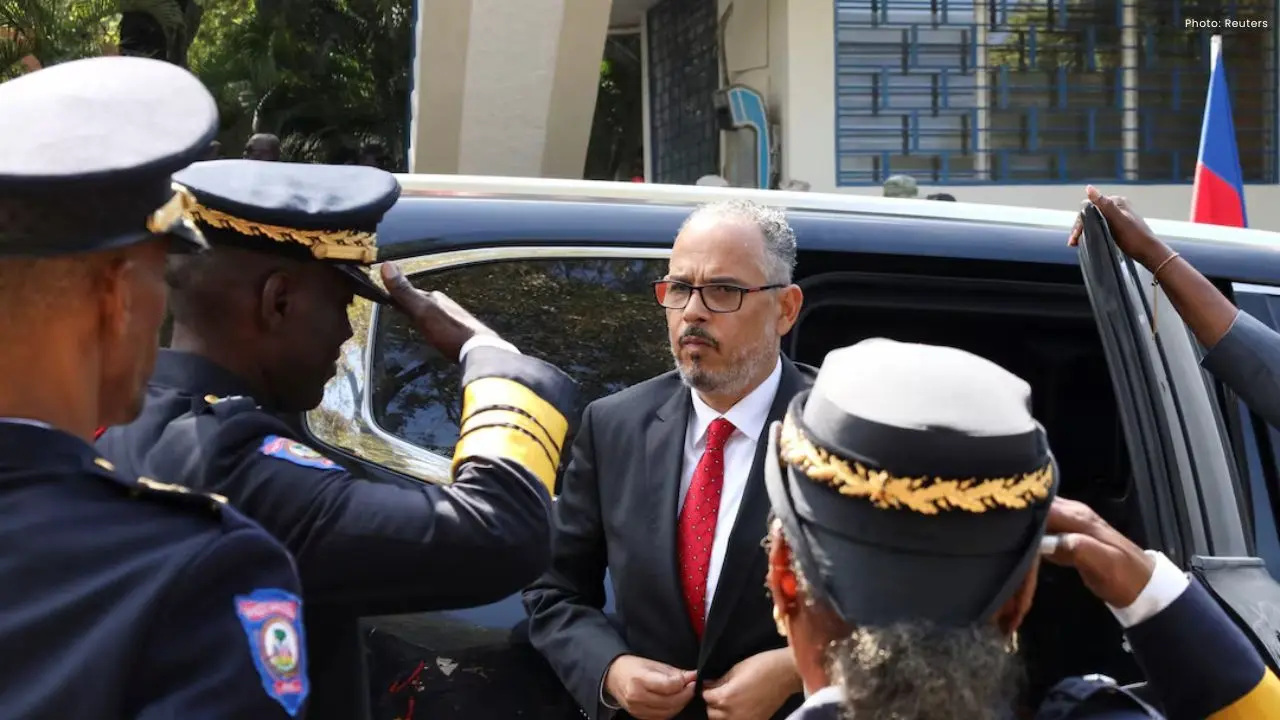
Prime Minister Fils-Aime staunchly opposes these removal efforts. Addressing attendees at a police graduation ceremony, he emphasized that neither political nor street criminals would dictate the country's laws, pledging a resolute response to any challenges against state authority.
The United States has been vocal in its disapproval of the proposed ousting. Officials maintain that Fils-Aime’s continued leadership is crucial for combating the influential gangs that disrupt daily life in Haiti. During the police ceremony, the U.S.’s top diplomat underscored the necessity of the prime minister remaining in his role to safeguard security initiatives.
U.S. Secretary of State Marco Rubio had a direct dialogue with Fils-Aime, reinforcing the importance of stability and warning that accusations against Haitian politicians regarding corruption could lead to severe repercussions. Washington has also indicated that the Transitional Presidential Council is expected to disband once its mandate concludes on February 7, yet a clear transition plan remains undisclosed.
Within the council, internal discord is escalating. Reports suggest that five of the nine members have signed a resolution advocating for the prime minister's removal; however, it has yet to be published in Haiti's official gazette, rendering it legally ineffective. Voltaire indicated a temporary halt to allow various political factions to come to a consensus on succession, cautioning that a new structure would be established without established agreement.
Both Voltaire and Leblanc Fils have criticized U.S. interference, asserting that it undermines Haiti's sovereignty and that foreign powers should not dictate the country’s leadership.
The council's brief tenure has been marred by internal conflicts, allegations of corruption, and deteriorating security. A Haitian court had previously dismissed corruption summons against various council members, asserting protection under their official capacity. Such events have severely eroded public trust and cast doubts on the council’s legitimacy.
Suggestions for a potential successor to Fils-Aime have emerged, with Finance Minister Alfred Metellus being a prominent candidate due to his extensive experience as a public official and consultant at an international development bank. However, any change in leadership amidst the current turmoil may heighten ongoing uncertainties.
As Haiti grapples with rampant gang violence, political instability, and the absence of elections, the conflict over the prime minister’s role illustrates the fragile state of the nation's governance. The forthcoming weeks will be pivotal in determining whether the council will proceed with the proposed removal or yield to international pressures, ultimately influencing Haiti's stability and future trajectory.