Ongoing talks between the United States and Iran have sparked heightened anxiety among Gulf nations. Regional leaders are particularly wary that these discussions might enhance Iran's influence over the Strait of Hormuz, a crucial passageway for global oil shipments.
The Strait of Hormuz is essential, facilitating the transit of a significant portion of the world’s daily oil supply. Any shift in control over this corridor can have immediate repercussions on oil prices and the international economy. For Gulf countries, which heavily rely on this route for oil exports, safeguarding its security is paramount.
Officials from the Gulf states are concerned that the focus of the negotiations may remain predominantly on nuclear matters, sidelining broader regional issues such as Iran's military activities and its expanding influence. If these broader aspects are overlooked, analysts warn that Iran might leverage the strait strategically during periods of heightened tensions.
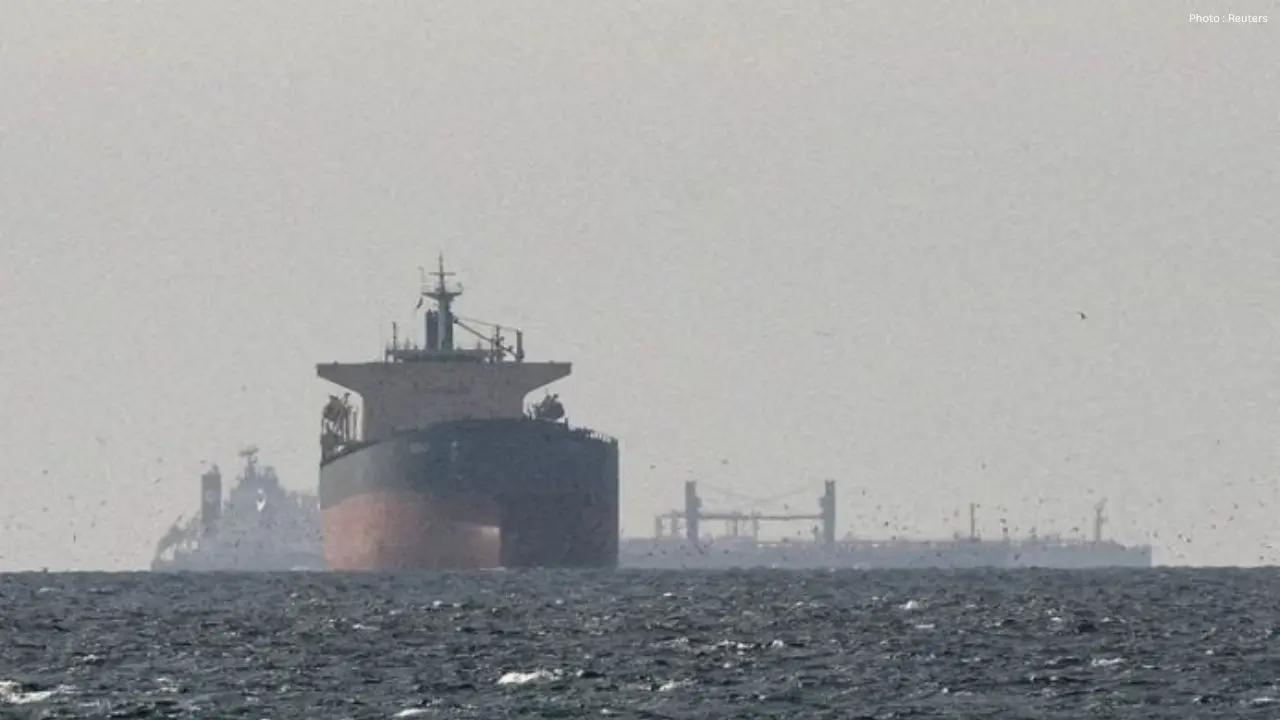
Recent events have only amplified these fears, with reports of vessels being intercepted, warning shots exchanged, and disruptions to shipping routes—all contributing to trepidation among traders and policymakers. Even minor incidents in the Strait of Hormuz can lead to substantial fluctuations in oil supply and pricing, underscoring the volatility of the situation.
Additionally, trade reports indicate a decline in maritime activity during tense times, raising concerns about the immediate impacts on global supply chains. Disruptions in oil transport contribute not only to rising fuel prices but also to increased costs of living and transport across various nations.
Another pressing issue for the Gulf states is their perceived exclusion from the diplomatic discussions. Being stakeholders directly affected by decisions related to the strait, they believe that their voices must be heard in any negotiations. A perceived lack of involvement could result in an agreement that does not address their security concerns adequately.
Experts caution that hastily lifting economic sanctions on Iran might inadvertently bolster its position without resolving the underlying issues. While a swift agreement might alleviate tensions temporarily, it could also breed long-term complications if critical concerns go unaddressed.
Meanwhile, the United States remains committed to averting further conflict and ensuring stability within global energy markets. Diplomacy has been prioritized as the approach to mitigate risks and avert escalation, yet finding the right balance that accommodates regional allies' apprehensions presents a significant challenge.
For Iran, the Strait of Hormuz is a critical asset. Its strategic location grants Iran considerable sway over an essential global trade route, a fact it can exploit during negotiations or conflicts. This dynamic renders the dispute over the strait vital to any discourse concerning regional security.
The complexities inherent in global diplomacy are underscored by this situation. Decisions agreed upon among major powers reverberate across sensitive regions like the Middle East, where progress in dialogue may simultaneously trigger new anxieties.
In summary, the current US-Iran discussions afford both caution and optimism. While the aim is to de-escalate tensions, Gulf nations harbor fears that the outcome may inadvertently enhance Iran's hold over a pivotal oil corridor. As the negotiations continue, observers globally remain vigilant for signs of stability or emerging challenges.