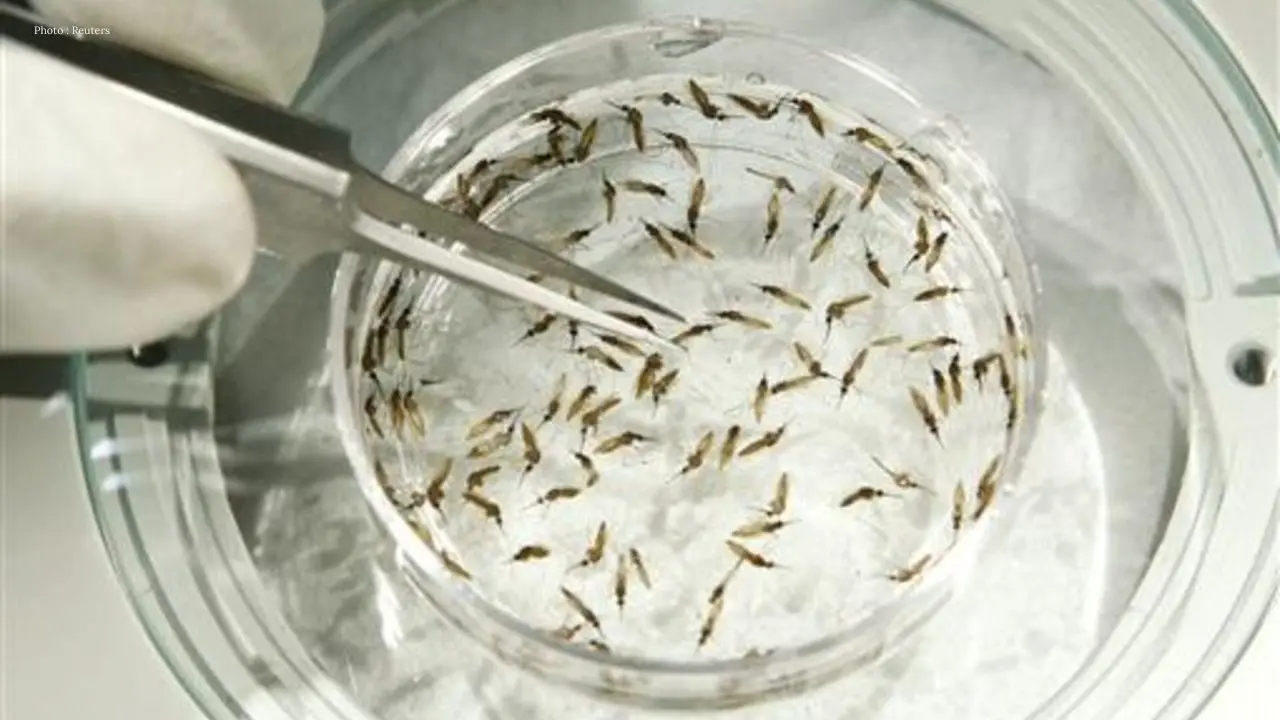
Google is seeking permission from the US Environmental Protection Agency (EPA) to release up to 32 million specially treated mosquitoes across California and Florida as part of a large-scale public health project aimed at reducing mosquito-borne diseases. The initiative, known as the "Debug" program, is designed to lower populations of disease-carrying mosquitoes that spread illnesses such as West Nile virus, dengue fever, Zika virus, chikungunya, and St. Louis encephalitis. The proposal is currently under federal review, with regulators gathering public feedback before making a final decision.
While the idea of releasing millions of mosquitoes may sound alarming, Google and its life sciences division, Verily, say the insects involved are male mosquitoes, which do not bite humans. These mosquitoes carry a naturally occurring bacterium called Wolbachia. When the treated males mate with wild female mosquitoes, the eggs fail to hatch, gradually reducing local mosquito populations over time. Scientists believe this method could help control dangerous mosquito species without relying heavily on chemical pesticides.
The project is part of Google's long-running Debug initiative, which was originally launched in 2016 to develop advanced methods for controlling mosquito populations. Using artificial intelligence, robotics, and automated breeding systems, the company can produce and sort large numbers of mosquitoes efficiently. Supporters of the program argue that traditional mosquito-control methods are becoming less effective as insects develop resistance to pesticides, making alternative solutions increasingly important.
The proposed release would occur over a two-year period, with approximately 16 million mosquitoes potentially released in Florida and another 16 million in California. The targeted species are known carriers of serious diseases that affect both humans and animals. Health officials note that mosquito-borne illnesses continue to pose a significant public health challenge in many parts of the United States, particularly during warmer months when mosquito populations increase.
However, the proposal has generated considerable debate. Some environmental groups and community members have raised questions about the long-term ecological impact of releasing millions of laboratory-bred insects into the environment. Others are skeptical about a major technology company becoming involved in large-scale biological interventions. Critics have called for additional studies and oversight before any releases take place, while supporters point to previous successful trials in places such as Singapore, where similar mosquito-control programs significantly reduced mosquito populations and dengue cases.
For now, the project remains in the approval stage. The EPA is reviewing the scientific data and public comments before deciding whether Google can proceed with the releases. If approved, the initiative would become one of the largest mosquito population-control programs ever conducted by a private technology company in the United States. The decision is expected to attract continued attention as officials weigh potential public health benefits against environmental and public concerns.