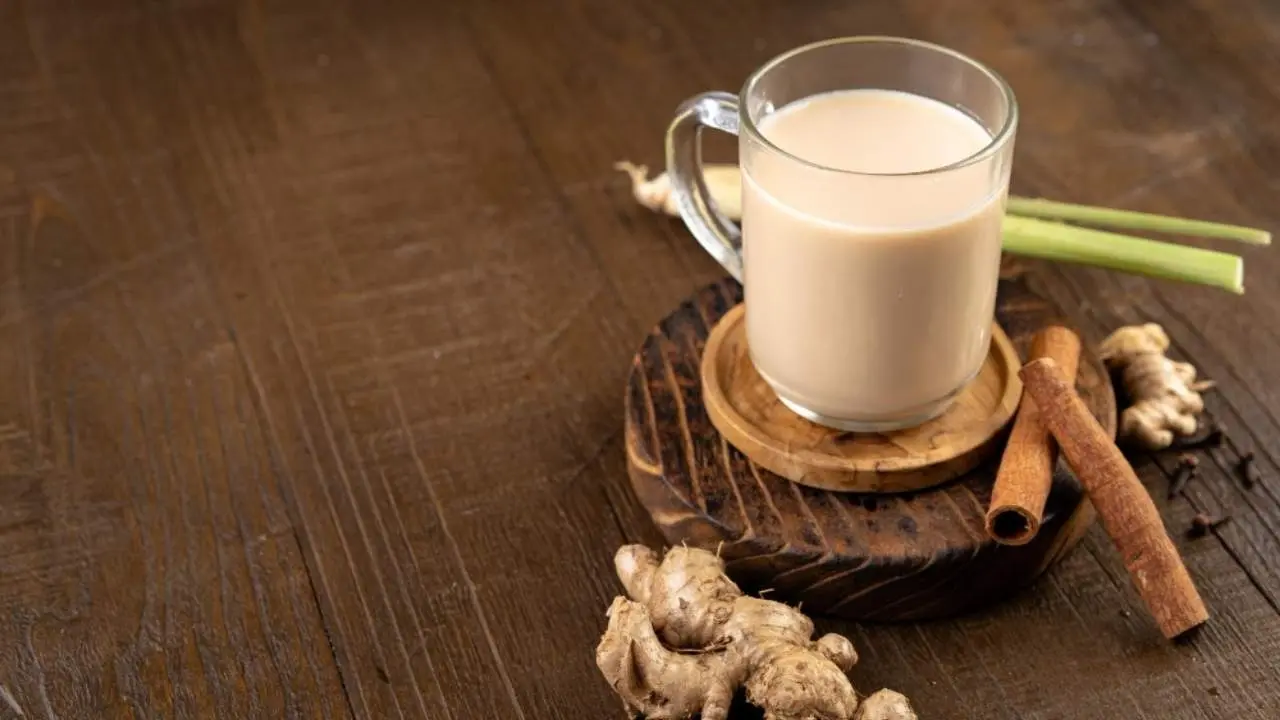
Experts Warn: Moderation is Key When Adding Ginger to Winter Tea
A steaming cup of ginger tea offers comfort during the winter months. Whether you're in the UAE, India, or Pakistan, it's a morning ritual for many. This warm beverage helps you feel revitalized, shields you from chilly weather, and alleviates throat discomfort.
Although ginger is celebrated for its health benefits, overindulging in it by adding extra slices to your tea can have unintended effects. The notion that “more ginger means more benefits” isn’t always the case. While it has several advantages, incorrect doses—especially during colder months—can upset your tummy.
This article delves into why excessive ginger can be problematic, the optimal amounts for consumption, and tips on enjoying ginger tea healthily in winter.
Why Extra Ginger is Tempting
Ginger tea enjoys immense popularity for its ability to warm you up instantly. Many enhance their tea with more ginger for these reasons:
-
Eases cold and cough symptoms
-
Promotes better digestion
-
Calms throat irritation
-
Strengthens immunity
-
Enhances the tea's flavor
While these perks encourage a “little more ginger” practice, too much of it can lead to harsh side effects.
The Effects of Overdoing Ginger
Nutritionists assert that even a small quantity of ginger is effective. However, overly strong ginger can irritate the stomach and induce rapid temperature increases.
Frequent drinkers of potent ginger tea often face:
During winter, your body aims to sustain warmth. Consuming tea that's overly intense can disrupt this equilibrium, resulting in discomfort.
Why Winter Makes Ginger Feel More Intense
In colder weather, a sluggish digestive system is common, leading many to feel heavy after rich winter meals.
While a light dose of ginger aids digestion, an excess can overwhelm the stomach.
Health professionals clarify:
-
High ginger amounts raise internal heat rapidly
-
This boosts acid production in the body
-
Elevated acid may lead to burning sensations
This explains why some feel uncomfortable after a hearty ginger tea, particularly in the morning.
Safe Ginger Intake Guidelines
You can reap ginger's rewards without discomfort by adhering to recommended amounts.
Experts suggest:
These amounts provide warmth without aggravating your stomach.
Who Should Limit Ginger Intake?
Certain individuals should exercise caution when consuming ginger:
-
Those with acid reflux issues
-
Individuals with stomach ulcers
-
People who experience frequent migraines
-
Expecting mothers (consult your doctor for advice)
-
Anyone on blood thinners
-
Those who naturally feel warm or sweat easily
For these groups, even typical quantities may feel excessive, making moderation essential.
Making Ginger Tea Safely in Cold Weather
Complete avoidance of ginger isn’t necessary; just prepare your tea with these tips.
1. Boil Ginger Briefly
Only boil for 2–3 minutes. Boiling longer increases heat intensity.
2. Add Honey After Cooking
Honey soothes the tea and balances ginger’s heat.
3. Pair Ginger with Cardamom or Cinnamon
Both spices reduce ginger's sharpness and aid digestion.
4. Avoid on an Empty Stomach
Doing so may lead to unpleasant sensations.
5. Restrict to 1–2 Cups Daily
Drinking more can heighten acidity or body temperature.
Wise Words from Elders
In many homes, especially among South Asian communities, elders often advise:
“Be cautious with ginger in winter. Too much can lead to discomfort later on.”
Such wisdom stems from life experiences, observing that winter slows digestion and that potent spices can upset the system. Ginger gives warmth but too much can throw off internal balance.
This age-old advice aligns with contemporary health insights.
The Ideal Balance for Ginger Tea
Ginger tea is a beloved remedy for winter. It warms the body, alleviates throat irritation, enhances breathing, and boosts defense mechanisms. The secret is maintaining balance.
A moderate dose of ginger provides comfort, while too much can create the very issues you seek to alleviate.
Enjoy your winter tea but craft it mindfully. A touch of ginger is sufficient for warmth, health, and comfort—minus any adverse effects.
Disclaimer
This article serves to raise awareness and doesn't substitute professional medical advice. Individual responses to ginger vary. Those with acid issues, ulcers, pregnancy, or other health concerns should consult a healthcare expert before increasing ginger consumption. If you feel uneasy after ginger tea, cease use and consult a qualified healthcare provider.