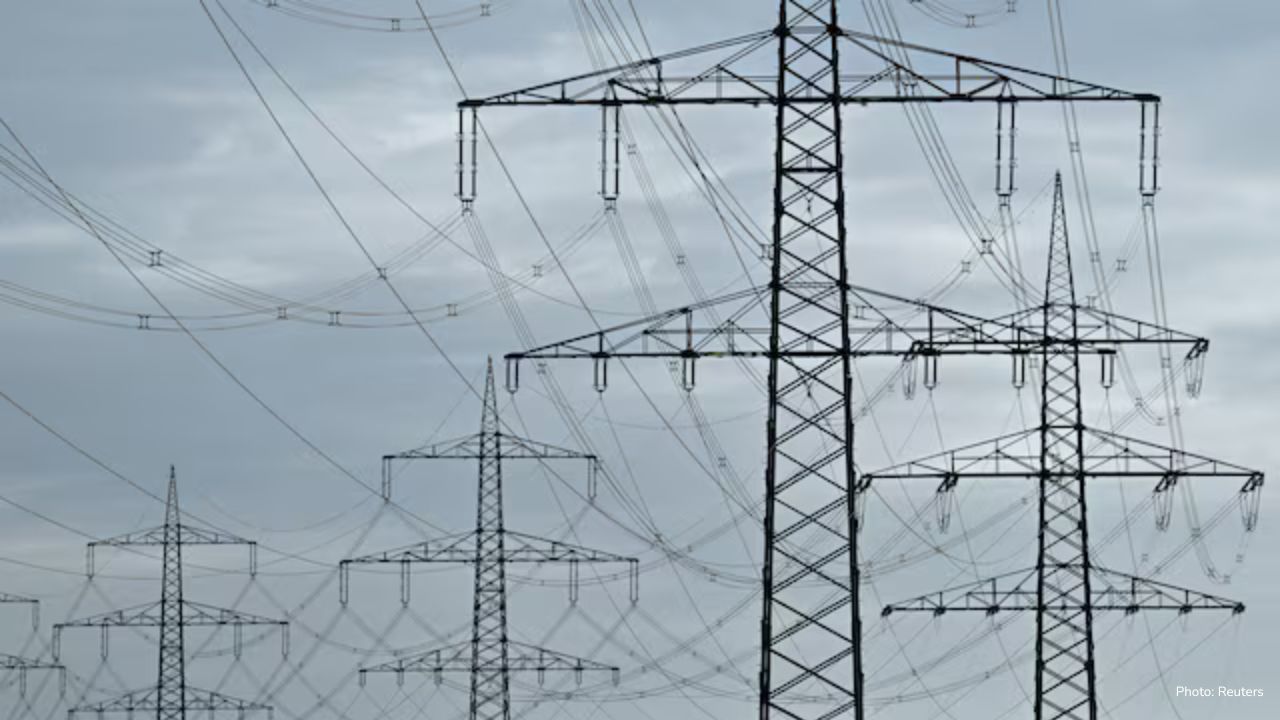
Germany is planning a major reduction in electricity grid fees for 2026. The country’s transmission system operators—50Hertz, Amprion, TenneT, and TransnetBW—said preliminary figures show a 57% cut in fees, thanks to government support. If approved by lawmakers, this change will bring much-needed relief to households and businesses facing some of the highest electricity costs in Europe.
Currently, transmission fees make up a significant part of electricity bills. Grid fees are now 6.65 cents per kilowatt-hour (kWh), but the proposed reduction will lower them to 2.86 cents per kWh. The drop will be possible through a 6.5 billion euro ($7.6 billion) subsidy from Germany’s national climate fund. The final reduction still needs approval from parliament, expected by December 5.
Electricity prices in Germany are high due to fees, taxes, and levies. On average, private households pay about 40 cents per kWh—20% higher than before the energy crisis triggered by Russia’s full-scale invasion of Ukraine. These high costs have affected both families and energy-intensive industries, creating pressure on the economy.
In addition to lowering grid fees, Chancellor Friedrich Merz’s coalition government plans to reduce electricity taxes to the European minimum for industrial, agricultural, and other sectors. This move is aimed at supporting businesses that use large amounts of energy and helping keep jobs and production costs stable.
The reduction in grid fees is expected to benefit both consumers and companies. Households may see slightly lower bills, while factories and farms could save millions in energy costs each year. Experts say these changes could also make German industry more competitive internationally.
Germany’s electricity system relies heavily on renewable energy, which adds complexity and costs to the grid. The planned government subsidies will help maintain this system while making power more affordable for users. By lowering both grid fees and taxes, the government hopes to ease financial pressure and encourage a smoother transition to clean energy.
In summary, Germany’s planned reduction of electricity grid fees and taxes is a major step to support households and industries. If approved, it will lower costs, improve competitiveness, and help the country balance energy needs with climate goals.