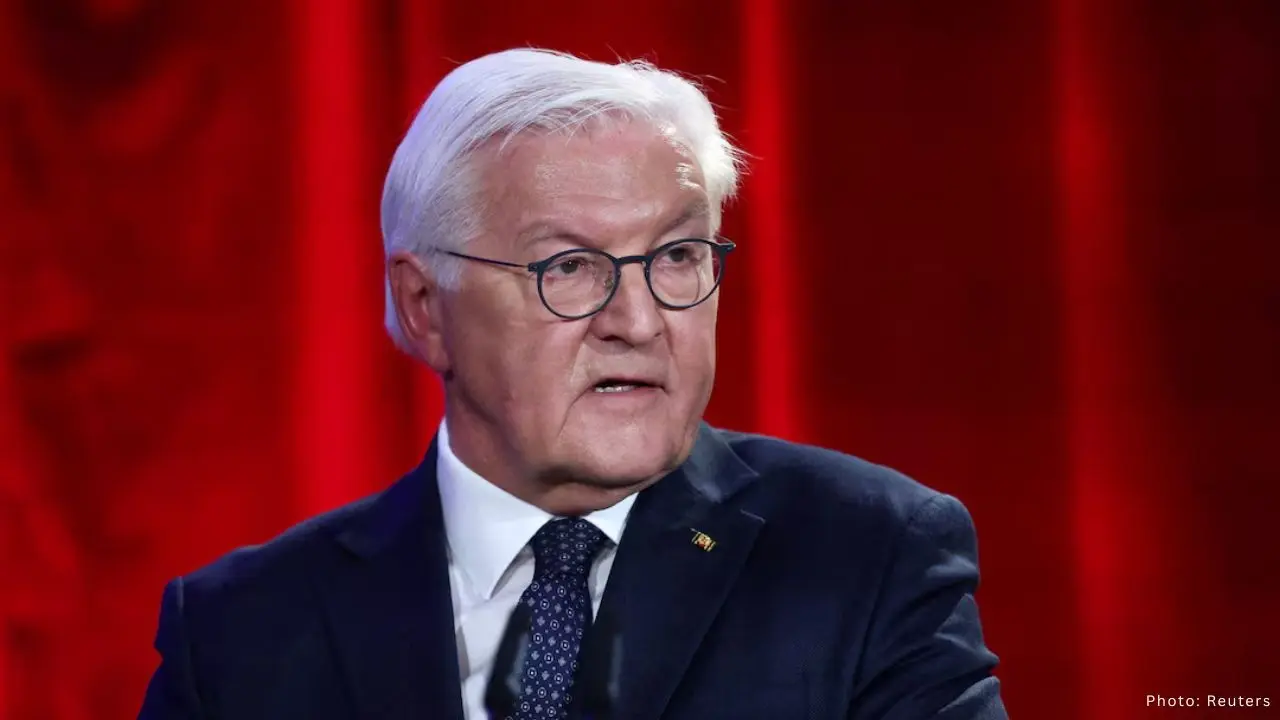
German President Frank-Walter Steinmeier has raised significant alarms regarding the future of the global order, openly critiquing the foreign policy strategies of the United States. His statements reflect the increasing concerns among European leaders over escalating instability and the erosion of international norms.
During a recent public gathering in Berlin, Steinmeier expressed that the world is at a perilous juncture where dominant nations might pursue their interests without adherence to lawful principles, values, or consideration for less powerful states. He characterized this potential development as a “den of robbers,” where ethical considerations and collaboration take a back seat.
The German president underscored that democracy worldwide faces unparalleled threats. He highlighted actions on the international stage that signal a deterioration in trust and shared obligations among leading powers. While he refrained from specifying every incident, his remarks pointed to concerns over aggressive political meddling and the neglect of global standards.
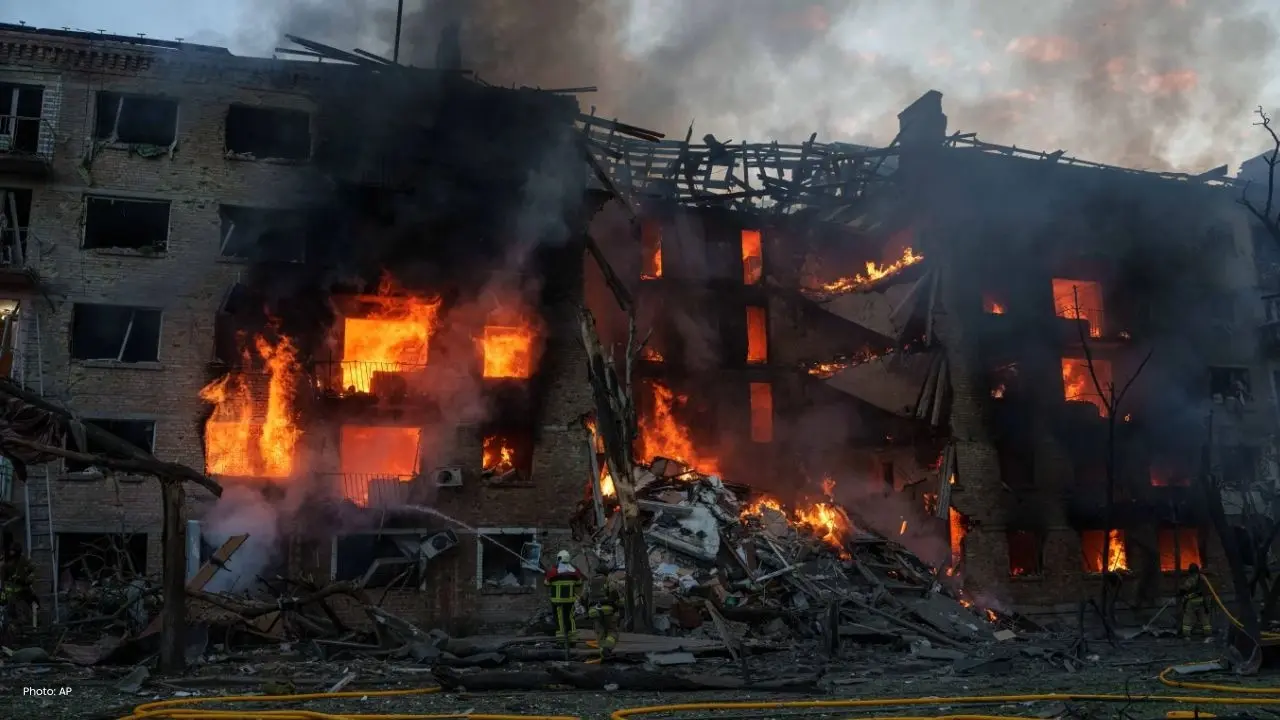
Steinmeier also reflected on preceding shocks to the global landscape, deeming Russia’s annexation of Crimea and its invasion of Ukraine as critical events that undermined the rules-based global architecture. He remarked that current U.S. conduct poses an additional significant challenge, particularly given the nation’s foundational role in crafting the post-war global structure.
Though Germany’s president does not dictate governmental policy, his position empowers him to articulate moral and political stances openly. Therefore, his statements resonate widely, mirroring broader anxieties within Europe regarding the trajectory of global leadership.
Steinmeier emphasized that action, rather than silence, is vital for safeguarding the world order. He called for countries outside Europe and North America, including India and Brazil, to be engaged in upholding international norms and democratic ideals. As he put it, global stability hinges on collaboration rather than an emphasis on power.
His address casts light on the rising apprehension that the framework established to prevent chaos post-World War II is gradually weakening. Should nations drift away from common regulations, the likelihood of conflicts may surge, disproportionately affecting the weaker nations.
In conclusion, Steinmeier’s message resounded clearly: the future must not be one dominated by coercion and self-serving pursuits. Without a resolute commitment to unity and principles, the global order risks further disintegration, complicating the preservation of peace.