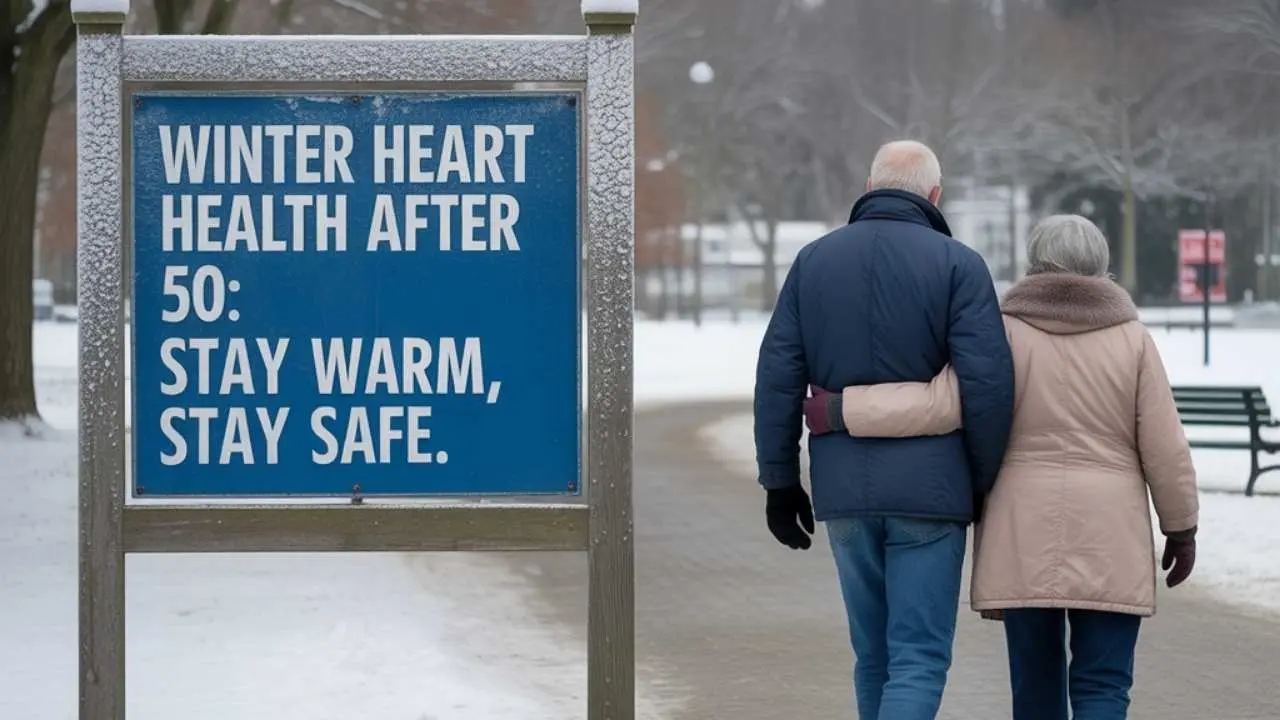
Gas or Heart Attack? Recognizing 3 Silent Winter Warning Signs
During the chilly winter months, chest discomfort, pressure, or abdominal pain is frequently dismissed as simple gas, acidity, or indigestion. Many people resort to warm drinks and rest, ignoring potential dangers. However, healthcare professionals highlight that heart attack occurrences surge in winter, often presenting early symptoms that can be mistaken for gas disorders.
This article aims to clarify the distinction between gas-related pain and heart-related symptoms while outlining three subtle yet significant warning signs that should never be overlooked this season.
How Winter Impacts Heart Health
Cold temperatures can significantly alter bodily functions. Blood vessels constrict in the cold, making circulation more difficult and placing increased stress on the heart. Blood pressure tends to rise, necessitating more effort from the heart.
Seasonal behaviors can contribute to risks, including:
-
Reduced physical activity and exercise
-
Heavy, oily meals and late-night eating
-
Extended periods of inactivity
-
Misinterpreting bodily signals as typical winter woes
Thus, many heart attacks initiate gradually rather than abruptly, beginning as mild symptoms that can go unnoticed.
Warning Sign 1: Chest Pain Similar to Gas
One early indicator of a heart condition is chest discomfort rather than acute pain. Individuals may experience pressure, tightness, or a burning sensation.
Typical sensations include:
-
Intense pressure in the center or left side of the chest
-
A constricted or squeezing sensation
-
Intermittent pain
-
Discomfort that persists despite gas-relief medication
Reasons for Ignoring Symptoms:
Gas-related discomfort is common in colder months due to heavier diets and limited movement, leading individuals to delay seeking help for sustained pain.
Note:
If chest discomfort lasts longer than 10 to 15 minutes or recurs, it is crucial not to overlook it, particularly in winter.
Warning Sign 2: Pain Radiating to the Arm, Back, Jaw, or Neck
Unlike gas pain, which typically remains localized in the stomach, heart-related pain can extend to other body areas.
Signs to be mindful of include:
-
Heaviness or discomfort in the left arm or shoulder
-
Soreness in the upper back
-
Pain or tightness in the jaw or neck
-
Discomfort that worsens while walking or ascending stairs
People often attribute jaw or shoulder pain to cold weather or muscle stiffness, leading to confusion during winter months.
Warning:
Pain that extends from the chest is not merely gas-related.
Warning Sign 3: Breathlessness, Cold Sweats, or Sudden Weakness
Winter can also mask signs of breathlessness, which many chalk up to simply being cold or fatigued.
Signs to recognize include:
-
Unexplained shortness of breath
-
Sweating despite low temperatures
-
Sudden feelings of weakness, dizziness, or light-headedness
-
Unexplained anxiety or restlessness
Experiencing cold sweats unusually in winter can be easily misinterpreted. However, when combined with chest discomfort, this could indicate a serious issue.
Differentiating Gas Pain from Heart Issues
| Gas / Acidity |
Heart Problem |
| Relief after burping |
Persistent or returning pain |
| Localized in the stomach |
Spreads to chest, arm, jaw |
| No sweating present |
Accompanied by cold sweat |
| Normal breathing |
Difficulty in breathing |
| Improves with rest |
May worsen with exertion |
When in doubt, prioritize treating it as a heart problem first. Timeliness is everything.
Individuals at Higher Risk in Winter
Certain individuals are at an elevated risk, including:
-
Those over 40 years of age
-
Individuals with hypertension
-
Diabetics
-
Smokers
-
Those with high cholesterol levels
-
Individuals with a family history of heart disease
-
People experiencing high stress or sleep issues
Healthcare providers note that younger people can also face heart attack risks, particularly in winter due to increased stress, poor nutrition, and physical inactivity.
Immediate Actions to Take
If you or someone nearby experiences these symptoms:
-
Do not delay or ignore symptoms
-
Avoid taking gas medication and resting
-
Seek emergency medical assistance promptly
-
Ensure the person stays warm without overheating
-
Restrict any physical activity
Quick response can indeed save a life.
Essential Winter Heart Care Tips
Simple lifestyle adjustments can help:
-
Limit late-night heavy meals
-
Maintain an active lifestyle; even brief walks help
-
Control blood pressure and sugar levels
-
Do not dismiss recurring chest pain
-
Schedule regular health check-ups
-
Minimize smoking, stress, and late-night activities
Protecting your heart in winter requires more than just warm clothing; it involves being attentive to your body’s signals.
A Crucial Reminder
Ignoring early heart attack signs often leads to severe consequences. Gas pain can be managed, but heart attacks demand immediate attention. If your body repeatedly gives similar signals, especially during winter, pay heed.
Being attentive in time can protect your life or someone else's.
This article aims to inform and promote awareness. It does not serve as medical advice. Individual symptoms may vary, and if you experience chest pain, trouble breathing, sweating, or unusual discomfort, pursue medical care or consult qualified healthcare professionals right away.
Disclaimer
This content is for informational and educational purposes solely. It is not a substitute for professional medical guidance, diagnosis, or treatment. Symptoms and health conditions can differ across individuals, and the information presented may not apply universally. Readers should not postpone seeking medical assistance based on this article’s content. Seek immediate help if experiencing symptoms like chest pain, breathlessness, sweating, dizziness, or severe discomfort.