At the United Nations’ highest court, Gambia has made a compelling case against Myanmar, alleging that the nation has systematically ruined the lives of the Rohingya people, turning their everyday existence into a significant ordeal. This crucial case, now before the International Court of Justice (ICJ) in The Hague, accuses Myanmar of genocide against the Rohingya, a marginalized Muslim minority.
This testimony marks the first comprehensive genocide case heard by the ICJ in over a decade. Experts suggest that the ruling could have far-reaching implications, not only for Myanmar but also for similar instances of genocide globally.
During proceedings, Gambia’s Justice Minister Dawda Jallow asserted that the Rohingya are simply individuals yearning for peace and dignity. Instead, they became targets subjected to violence. Gambia argues that Myanmar’s military actions deprived the Rohingya of safety, shelter, and hope, replacing their ordinary lives with trepidation and brutality.
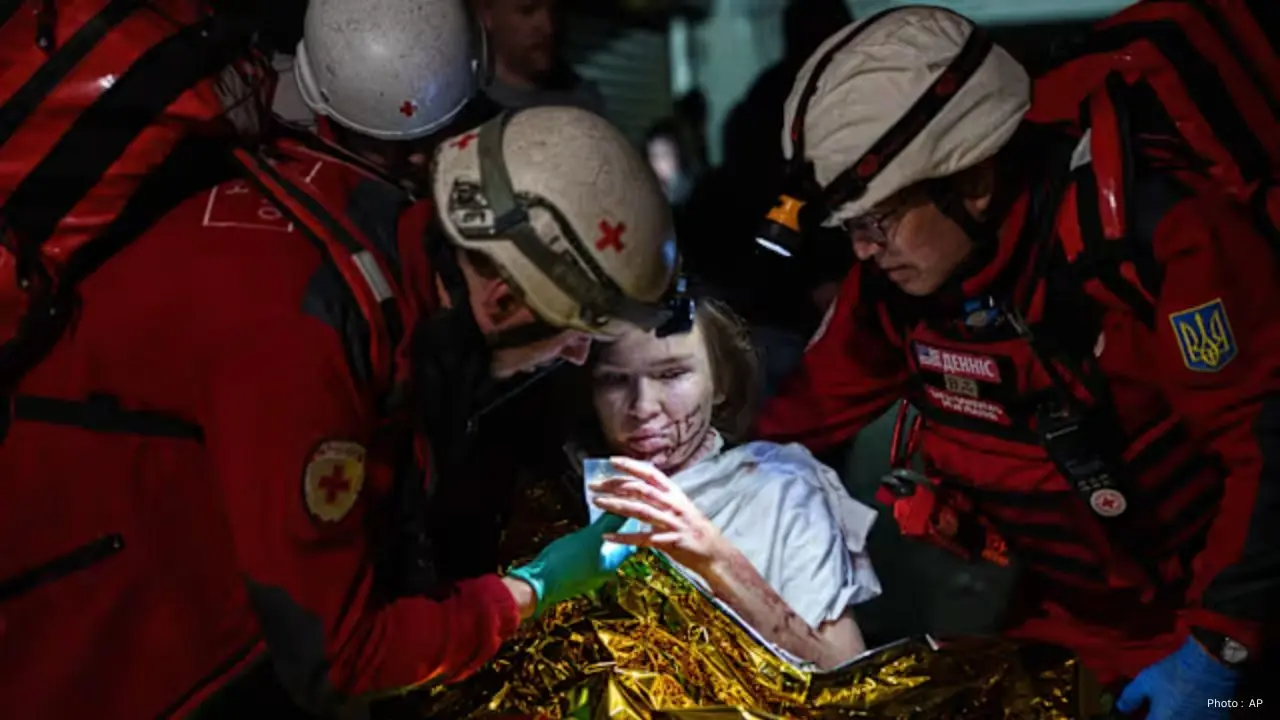
The case, lodged by Gambia in 2019, focuses on a military offensive initiated by Myanmar in 2017 in the Rakhine state. This operation resulted in over 730,000 Rohingya fleeing to Bangladesh. Survivors recounted horrific experiences, including murders, mass sexual violence, and the destruction of entire communities.
A subsequent United Nations investigation found substantial evidence that Myanmar’s military perpetrated acts that potentially constitute genocide, although Myanmar vehemently denies these accusations. The government claims that its military actions were a legitimate response to attacks by Rohingya militants and framed as a counter-terrorism effort.
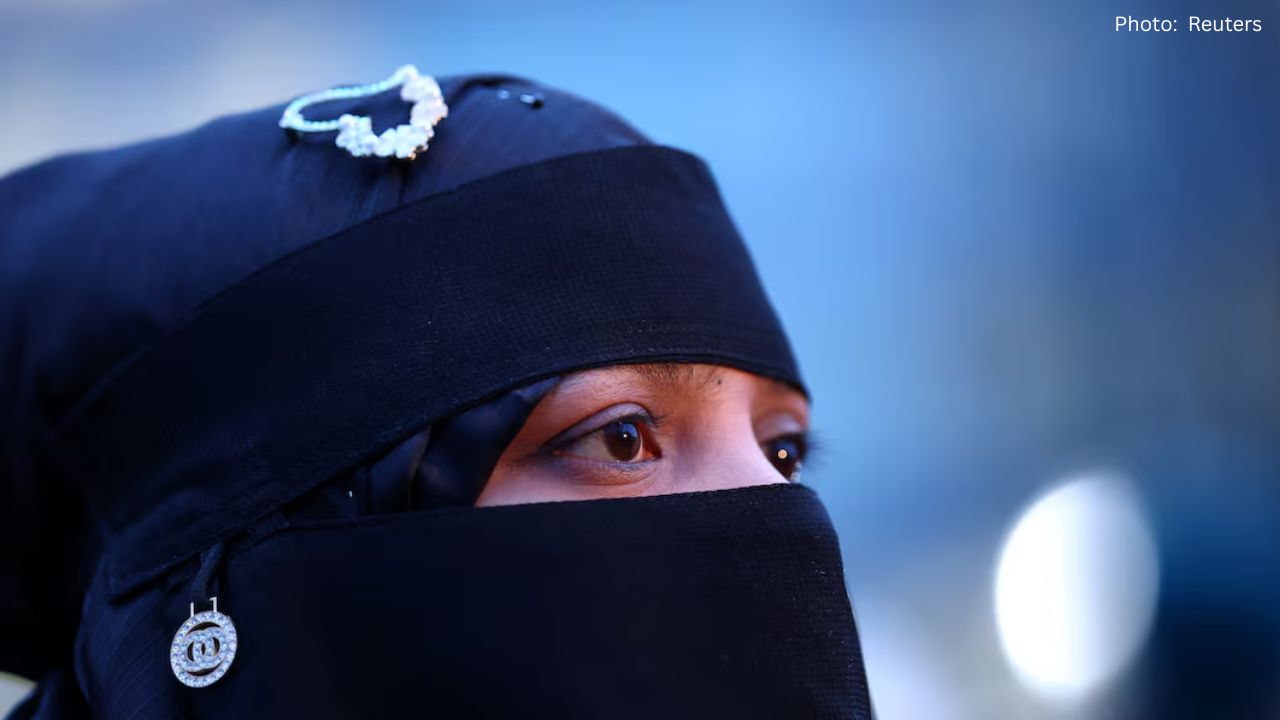
For many Rohingya survivors, these court hearings symbolize a long-desired recognition of their trauma. Refugees speaking outside the court expressed a wish for the global community to acknowledge their suffering. A ruling against Myanmar is seen as a crucial validation of their experiences and a step towards justice after prolonged neglect.
This case is particularly significant as it grants Rohingya victims their first opportunity to speak before an international court. Their testimonies will be safeguarded through private sessions, ensuring their voices are documented in this pivotal legal process.
Myanmar's internal conditions have deteriorated significantly in recent years. Following the military coup in 2021, the country has been engulfed in extensive violence and civil unrest. Current elections have been deemed unfair, drawing condemnation from both the United Nations and various human rights organizations.
The proceedings at the ICJ are expected to span several weeks. Although the court’s judgment may take time, the case itself conveys a powerful message: even those nations deemed powerful can be held accountable under international law, reminding us that victims of mass atrocities will not be overlooked.